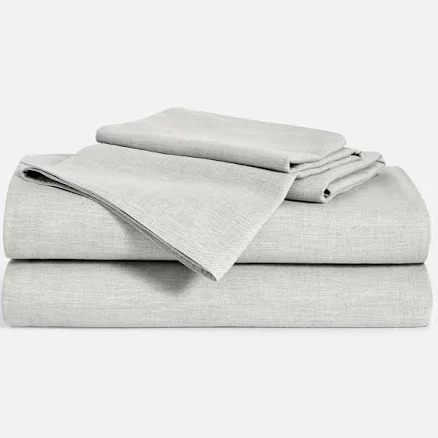
Brooklinen · Stain-Resistant Bed Sheets
Brooklinen Heathered Cashmere Core Sheet Set
Lower PFAS concern for untreated cashmere, though Brooklinen reveals nothing about applied treatments.
Heathered Cashmere Core is pure cashmere fiber, which is naturally lower-risk for PFAS than synthetics or treated textiles. Brooklinen does not disclose whether water-resistant, stain-resistant, or finishing treatments were applied during production.
We flunk more products than we pass. This one earned its grade. How we grade
Material
100% cashmere fiber
Brand disclosure
Brand is silent on PFAS
Lab data
No public lab test
You may also be interested in
Top-graded picks in the categories readers replace first, every one scored on the same rubric.

- polypropylene filter housing, carbon/sediment cartridge
- We found no PFAS statement from the brand
- Bacterial growth in spent cartridges
3 hazards checked on this product, all on its full breakdown.

Aquasure
Premier Series 75 GPD Under Sink Reverse Osmosis Water Filtration System
- RO membrane, carbon filters, stainless steel housing
- We found no PFAS statement from the brand
- Bacterial and microbial growth in housing and filters
4 hazards checked on this product, all on its full breakdown.

Avocado
Vegan Mattress
- organic cotton, natural latex, coconut coir, recycled steel coils
- The brand calls it PFAS-free, which we have not verified
- Heavy metals
2 hazards checked on this product, all on its full breakdown.
What Brooklinen Heathered Core Sheet Set is made of, ingredients and materials
This product is 100% cashmere fiber, a protein-based natural textile with minimal inherent chemical hazards compared to synthetic or chemically treated fabrics. Cashmere does not contain azo dyes, antimony, or formaldehyde resins by nature. The primary safety consideration is whether Brooklinen applied water-repellent coating (water-repellent coating) or stain-resistant coatings post-manufacture; the 'stain-resistant' marketing strongly suggests surface treatment, but Brooklinen has not publicly disclosed the chemistry of that treatment.
What’s concerning
Category baseline
The starting point for this type of product, before anything specific to this product is counted.
No PFAS disclosure
No public statement from the brand about PFAS in this product.
water-repellent coating (water-repellent coating) coating composition
Marketing emphasizes stain resistance, indicating surface treatment, but Brooklinen does not disclose whether this uses PFAS, silicone, wax, or other chemistry. No test data or ingredient list is publicly available for this specific product.
Fiber degradation and particle shedding
Cashmere is prone to pilling and fiber breakage with wear. If the stain-resistant coating weakens fibers or promotes mechanical degradation, microfiber shedding during washing could increase over time, though this is primarily a durability rather than toxicity concern.
Chemical leaching from coatings into skin contact
Bed sheets have sustained skin contact. If the stain-resistant coating contains mobilizable chemicals, warm body temperature and perspiration could increase leaching, but no adverse health reports specific to Brooklinen sheets have been published.
What’s reassuring
Base material not linked to PFAS
The main material recorded for this product is not one associated with PFAS.
Formaldehyde / VOCs
100% cashmere fiber itself does not require formaldehyde-based wrinkle-resistance finishes, and no documented use of such resins in premium cashmere sheets has been reported. Risk is lower than for cotton-poly blends.
Source, ATSDR ↗Azo dyes and synthetic colorants
Cashmere can be dyed with either synthetic or natural methods. No safety incidents or adverse dye chemistry have been documented for Brooklinen cashmere sheets, but the heathered color likely involves synthetic dyes without disclosed testing.
How is this PFAS grade calculated?
The brand's record and disclosure
Brooklinen markets premium bedding with stain-resistance claims but does not publicly disclose treatment chemicals, certifications (such as Oeko-Tex or GOTS), or responses to PFAS inquiries. No major recalls or safety controversies have been documented for Brooklinen sheets in public health databases. The brand's silence on chemical treatments and PFAS is typical of mid-market bedding manufacturers but falls short of transparency standards set by leaders in sustainable textiles.
How it compares in its category
Stain-resistant bed sheets often rely on PFAS-based finishes (Teflon-type coating or fluorocarbon coatings), making this category a known PFAS exposure route. Brooklinen's 100% cashmere base is a material advantage over cotton-polyester blends, which carry risk of formaldehyde-resin finishes and synthetic dyes. However, without disclosed certifications or treatment specifics, this product offers no verifiable advantage over certified organic or PFAS-free alternatives in the same price range.
If you buy it
Wash separately in cold water with mild detergent to preserve the cashmere and minimize any residual chemical leaching. Avoid high heat, bleach, and fabric softeners, which can degrade fibers and potentially mobilize coating chemicals. Replace when pilling becomes severe (typically 2-3 years with proper care) or if the stain-resistant finish visibly degrades. Request Brooklinen's safety data or treatment specification before purchase if PFAS or chemical sensitivity is a concern.
What is not known about PFAS in this product?
- Basis
- Model estimate, 78% confidence, not a lab result
- Lab test
- None on record for this exact product
- Brand statement
- Brooklinen has made none
Formulations change between production runs, so check the current label. How we grade.
More stain-resistant bed sheets grades
How we score, every product runs through the same public 0-100 rubric based on materials, coatings, brand disclosure, lab findings, and recalls. See the full methodology → Spotted a mistake? Report an error.