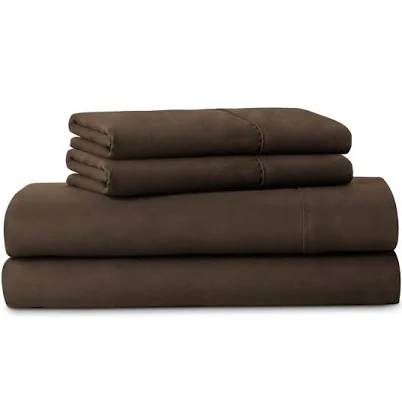
Lucid · Stain-Resistant Bed Sheets
Lucid Comfort Collection Brushed Microfiber Bed Sheet Set
Lower PFAS concern; plain microfiber sheets lack identified PFAS triggers.
Lucid Comfort brushed microfiber sheets are polyester synthetic fiber with no water-resistant, stain-resistant, or nonstick marketing or applied finishes. Microfiber production typically avoids PFAS unless a durability coating is applied.
We flunk more products than we pass. This one earned its grade. How we grade
Material
brushed polyester microfiber
Brand disclosure
Brand is silent on PFAS
Lab data
No public lab test
You may also be interested in
Top-graded picks in the categories readers replace first, every one scored on the same rubric.

- polypropylene filter housing, carbon/sediment cartridge
- We found no PFAS statement from the brand
- Bacterial growth in spent cartridges
3 hazards checked on this product, all on its full breakdown.

Aquasure
Premier Series 75 GPD Under Sink Reverse Osmosis Water Filtration System
- RO membrane, carbon filters, stainless steel housing
- We found no PFAS statement from the brand
- Bacterial and microbial growth in housing and filters
4 hazards checked on this product, all on its full breakdown.

Avocado
Vegan Mattress
- organic cotton, natural latex, coconut coir, recycled steel coils
- The brand calls it PFAS-free, which we have not verified
- Heavy metals
2 hazards checked on this product, all on its full breakdown.
What Lucid Comfort Collection Bed Sheet Set is made of, ingredients and materials
Lucid Comfort Collection sheets are brushed polyester microfiber, a synthetic petroleum-based fiber with a fuzzy surface treatment to enhance softness. Microfiber itself (fibers under 1 denier) does not inherently leach chemicals into skin contact; the main exposure pathway is through manufacturing residues and dye chemistry. Brushed finishes involve mechanical abrasion rather than chemical coating, reducing the typical risk profile compared to laminated or heavily treated synthetics. The polyester backbone is stable at typical sleeping temperatures and does not off-gas significantly once cured.
What’s concerning
Category baseline
The starting point for this type of product, before anything specific to this product is counted.
No PFAS disclosure
No public statement from the brand about PFAS in this product.
Formaldehyde / VOCs
Brushed polyester may include formaldehyde-based curing agents to lock in the nap finish, though concentration in finished sheets is typically low. No specific testing or disclosure from Lucid on file.
Source, ATSDR ↗Heavy metals
Polyester microfiber requires high-temperature synthetic dyes; azo dye (some carcinogenic or allergenic) use is not excluded by the brand. Heavy metals (lead, cadmium, chromium) in pigments are regulated in EU textiles but unverified here without third-party certification.
Source, FDA ↗Antimony in polyester catalyst residues
Antimony trioxide is a common polyester polymerization catalyst; residual antimony in finished fabric is usually minute but unquantified in consumer products. Skin contact risk is considered very low at typical residue levels, but no brand disclosure available.
Microplastic shedding during use and laundering
Microfiber sheets shed synthetic microplastics in the wash; this is a material property, not a manufacturing defect. Shedding increases with wear, heat, and washing. While not a direct health hazard to the sleeper, it contributes to aquatic pollution.
Residual dyes and loose fibers (skin irritation potential)
Unwashed microfiber sheets may transfer loose dye onto skin or cause mechanical irritation in sensitive individuals. First-wash protocol significantly reduces this risk; no specific allergic reactions reported for this line.
What’s reassuring
Base material not linked to PFAS
The main material recorded for this product is not one associated with PFAS.
How is this PFAS grade calculated?
The brand's record and disclosure
Bed Bath & Beyond has not published detailed chemical disclosure or third-party certifications (OEKO-TEX, GOTS, bluesign) for the Lucid Comfort line based on publicly available sources. The brand has faced no major textile chemical recalls in this product line. Lack of transparency around formaldehyde resins, azo dye sources, or antimony stabilizers in polyester is typical for mass-market bedding but leaves verification gaps; consumers cannot independently confirm manufacturing standards.
How it compares in its category
Mass-market microfiber sheets from major retailers (Target, Walmart, Amazon Basics) share similar hazard profiles and disclosure gaps. Certified alternatives (OEKO-TEX Standard 100 or GOTS organic cotton) offer third-party verification of restricted substances but cost 30-50% more. Microfiber sheets overall have lower formaldehyde and heavy metal risks than densely dyed cotton or treated linen, but lack of fiber traceability is a category-wide weakness. Lucid sits in the middle tier, acceptable performance, no red flags, minimal accountability.
If you buy it
Wash new sheets before first use to remove loose dye and manufacturing residues. Use warm (not hot) water and avoid chlorine bleach, which can degrade microfiber and release trapped chemicals; oxygen bleach poses lower risk of degradation. Dry on low heat or air dry to prevent polymer degradation; high heat can weaken fibers and potentially release volatile compounds. Replace every 2-3 years or when pilling becomes heavy, as degraded microfiber sheds microplastics into the wash cycle.
What is not known about PFAS in this product?
- Basis
- Model estimate, 78% confidence, not a lab result
- Lab test
- None on record for this exact product
- Brand statement
- Lucid has made none
Formulations change between production runs, so check the current label. How we grade.
More stain-resistant bed sheets grades
How we score, every product runs through the same public 0-100 rubric based on materials, coatings, brand disclosure, lab findings, and recalls. See the full methodology → Spotted a mistake? Report an error.