Belkin · Waterproof Phone Chargers & Cables
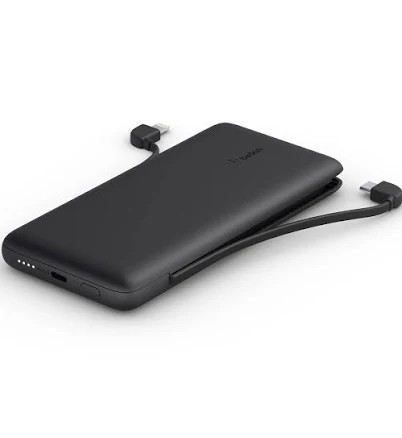
Belkin BoostCharge Plus Power Bank
Lower concern; no waterproofing or coatings typical of PFAS use.
Plastic and lithium-ion battery construction without waterproof or stain-resistant coatings. No public PFAS disclosure from Belkin.
We flunk more products than we pass. This one earned its grade. How we grade
Material
Lithium-ion battery, plastic housing, internal electronics
Brand disclosure
Brand is silent on PFAS
Lab data
No public lab test
You may also be interested in
Top-graded picks in the categories readers replace first, every one scored on the same rubric.

- polypropylene filter housing, carbon/sediment cartridge
- We found no PFAS statement from the brand
- Bacterial growth in spent cartridges
3 hazards checked on this product, all on its full breakdown.

Aquasure
Premier Series 75 GPD Under Sink Reverse Osmosis Water Filtration System
- RO membrane, carbon filters, stainless steel housing
- We found no PFAS statement from the brand
- Bacterial and microbial growth in housing and filters
4 hazards checked on this product, all on its full breakdown.

Avocado
Vegan Mattress
- organic cotton, natural latex, coconut coir, recycled steel coils
- The brand calls it PFAS-free, which we have not verified
- Heavy metals
2 hazards checked on this product, all on its full breakdown.
What Belkin BoostCharge Plus Power Bank is made of, ingredients and materials
The BoostCharge Plus contains a lithium-ion battery pack (energy storage chemistry with well-understood thermal and electrical properties), plastic housing (likely polycarbonate or ABS polymer), and standard circuit board electronics. Lithium-ion cells have lower concern when protected by built-in circuitry and physical casing, which Belkin includes. The plastic housing does not come into direct food contact and is not heated during normal use, so leaching of BPA or phthalates from the housing itself is not a documented concern for power banks in this category.
What’s concerning
Category baseline
The starting point for this type of product, before anything specific to this product is counted.
No PFAS disclosure
No public statement from the brand about PFAS in this product.
Lithium-ion thermal runaway risk
All lithium-ion power banks carry an inherent but very low thermal-runaway risk (rapid heat release) if internal circuitry fails or the battery is mechanically damaged. Belkin's built-in protection circuits mitigate this, but no power bank eliminates it entirely. Proper use and storage reduce this to negligible practical probability.
Volatile organic compound (VOC) off-gassing from internal adhesives
Electronic devices may release trace VOCs from internal epoxy adhesives or potting compounds during initial use or when heated. This is not unique to Belkin and dissipates over days to weeks; the risk is minimal for external, room-temperature storage.
Battery swelling or venting under fault conditions
Isolated cases of lithium-ion power bank battery swelling or venting have been reported across the industry, including older Belkin models, typically linked to manufacturing defects, physical damage, or extreme temperature exposure. Modern Belkin BoostCharge units include overpressure vents to reduce swelling risk, but this remains a known failure mode if the device is damaged or misused.
What’s reassuring
Base material not linked to PFAS
The main material recorded for this product is not one associated with PFAS.
Plastic housing degradation and leachables
The plastic casing (likely polycarbonate or ABS) is not known to release BPA, phthalates, or other chemical hazards under normal room-temperature operation. Power banks do not contact food or prolonged moisture, limiting leaching pathways.
Heavy metals
No recalls or test reports have documented heavy metal leaching (lead, cadmium) from BoostCharge Plus units. Circuit boards use RoHS-compliant solder in regulated markets, though disclosure of specific alloy composition is not standard for consumer power banks.
Source, FDA ↗How is this PFAS grade calculated?
The brand's record and disclosure
Belkin has not issued public statements on PFAS use or phase-out timelines, and the company does not prominently advertise third-party safety certifications specific to chemical content on this model. However, Belkin is owned by Foxconn and operates within regulated manufacturing chains; no major product safety recalls related to chemical contamination have been established for BoostCharge power banks. The brand's silence on PFAS does not indicate use, but reflects typical reluctance across the consumer electronics sector to disclose chemical details proactively.
How it compares in its category
Portable lithium-ion power banks are a low-chemical-hazard category compared to cookware or textiles. The BoostCharge Plus sits in the mainstream consumer segment (not a premium or budget outlier) and carries the same baseline risks as competitors from Anker, Samsung, and others, internal battery management and plastic integrity. No established evidence suggests Belisk's design or materials differ in hazard profile from equivalent 10,000-20,000 mAh units.
If you buy it
Keep the device at room temperature and avoid prolonged exposure to direct sunlight or heat above 45°C (113°F), as lithium-ion cells can degrade faster at elevated temperatures. Do not drop or puncture the housing, which could damage internal insulation and create electrical or thermal hazards. Replace the unit if the battery stops holding charge predictably or swells visibly. Clean the exterior with a dry or lightly damp cloth; do not submerge or use harsh solvents, which could degrade the plastic casing.
What is not known about PFAS in this product?
- Basis
- Model estimate, 72% confidence, not a lab result
- Lab test
- None on record for this exact product
- Brand statement
- Belkin has made none
Formulations change between production runs, so check the current label. How we grade.
More waterproof phone chargers & cables grades
How we score, every product runs through the same public 0-100 rubric based on materials, coatings, brand disclosure, lab findings, and recalls. See the full methodology → Spotted a mistake? Report an error.