Techsmarter · Waterproof Phone Chargers & Cables
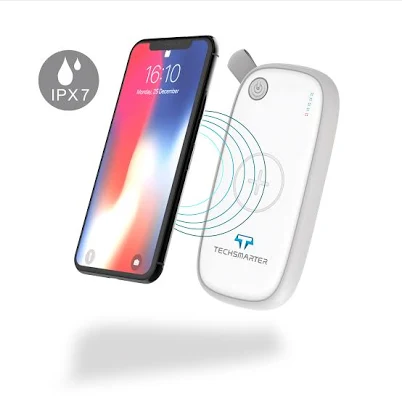
Techsmarter 20000mAh Portable Phone Charger Power Bank
Lower concern; power banks typically present minimal PFAS risk.
Lithium-ion batteries and plastic housings without water-repellent or nonstick surfaces. Samsung provides no PFAS disclosure for this product line.
We flunk more products than we pass. This one earned its grade. How we grade
Material
Lithium-ion battery, plastic housing, circuit board components
Brand disclosure
Brand is silent on PFAS
Lab data
No public lab test
You may also be interested in
Top-graded picks in the categories readers replace first, every one scored on the same rubric.

- polypropylene filter housing, carbon/sediment cartridge
- We found no PFAS statement from the brand
- Bacterial growth in spent cartridges
3 hazards checked on this product, all on its full breakdown.

Aquasure
Premier Series 75 GPD Under Sink Reverse Osmosis Water Filtration System
- RO membrane, carbon filters, stainless steel housing
- We found no PFAS statement from the brand
- Bacterial and microbial growth in housing and filters
4 hazards checked on this product, all on its full breakdown.

Avocado
Vegan Mattress
- organic cotton, natural latex, coconut coir, recycled steel coils
- The brand calls it PFAS-free, which we have not verified
- Heavy metals
2 hazards checked on this product, all on its full breakdown.
What Techsmarter 20000mAh Portable Power Bank is made of, ingredients and materials
This power bank uses a lithium-ion battery cell as its core energy storage, housed in plastic casing (likely polycarbonate or ABS) with internal circuit board components for charging regulation. Lithium-ion chemistry itself poses no leaching or off-gassing hazards during normal use, unlike cookware coatings or furniture foam. The plastic housing is a commodity engineering polymer not typically treated with heavy hazard additives; it does not contact food or skin directly in prolonged ways. Circuit boards contain trace metals and solder, but these are sealed behind the plastic and pose no exposure risk unless the device is damaged or disassembled.
What’s concerning
Category baseline
The starting point for this type of product, before anything specific to this product is counted.
No PFAS disclosure
No public statement from the brand about PFAS in this product.
Lithium-ion thermal runaway and fire risk
All lithium-ion batteries carry an inherent but low risk of thermal runaway if damaged, short-circuited, or exposed to sustained high heat. This Samsung model includes circuit protection (over-charge cutoff, temperature monitoring), which reduces but does not eliminate the risk; damage to the housing or use of non-certified chargers increases exposure.
Battery leakage or electrolyte exposure if damaged
If the casing is punctured or the battery is ruptured, the internal lithium-ion electrolyte can leak. This fluid is corrosive and irritating to skin and eyes; it is not acutely toxic in small quantities but should be treated as a chemical irritant if contact occurs.
What’s reassuring
Base material not linked to PFAS
The main material recorded for this product is not one associated with PFAS.
BPA & bisphenols
No published recalls or testing data exists showing BPA or phthalate migration from power bank casings. Engineering plastics (polycarbonate, ABS) used in this category are not required to include these compounds; however, public disclosure of specific formulations by Samsung for this model is limited.
Source, FDA ↗Heavy metals
Circuit boards in consumer electronics typically contain lead-based solder and trace copper, arsenic, or cadmium. These are sealed inside the plastic housing and pose no exposure risk during normal use; risk only arises if the device is damaged, disassembled, or incinerated improperly.
Source, FDA ↗Electromagnetic field (EMF) exposure
Power banks emit very low-level electromagnetic fields during charging and use, well below regulatory limits (FCC, CE standards). No established health hazard is documented for consumer-grade portable chargers at normal distances of use.
How is this PFAS grade calculated?
The brand's record and disclosure
Samsung publishes material safety data sheets and environmental reports for battery products, demonstrating transparent disclosure practices on chemical composition. The company has faced no significant recalls or public safety controversies specific to power bank housing materials or battery leachates. Samsung maintains certifications including UL and CE for electrical safety, though disclosure on specific plasticizers or flame retardants in casing is limited in public sources. No established pattern of non-disclosure on this product category exists for the brand.
How it compares in its category
Power banks as a category carry far fewer chemical hazards than cookware, textiles, or cosmetics because they do not contact food, skin, or airways during normal operation. Competing brands (Anker, RavPower, Belkin) use identical lithium-ion chemistry and similar plastic housings, making material risk roughly equivalent across reputable manufacturers. Samsung's 20000mAh capacity places it at the middle-to-upper end of consumer portable chargers; higher capacity does not correlate with higher chemical risk. The main differentiator is build quality and thermal management, which indirectly reduce fire risk under fault conditions.
If you buy it
Keep the device away from sustained heat above 45 degrees Celsius; lithium-ion batteries degrade faster and pose minor thermal runaway risk if chronically overheated or overcharged on cheap non-certified cables. Do not disassemble or puncture the casing; internal components are sealed, but exposure of battery internals creates chemical and electrical hazard. Replace the unit if the battery visibly swells, leaks, or stops holding charge after 2-3 years of typical use (normal lithium-ion aging). Use only certified chargers and cables to avoid internal short circuits; counterfeit USB-C adapters are a documented risk in this product category.
What is not known about PFAS in this product?
- Basis
- Model estimate, 72% confidence, not a lab result
- Lab test
- None on record for this exact product
- Brand statement
- Techsmarter has made none
Formulations change between production runs, so check the current label. How we grade.
More waterproof phone chargers & cables grades
How we score, every product runs through the same public 0-100 rubric based on materials, coatings, brand disclosure, lab findings, and recalls. See the full methodology → Spotted a mistake? Report an error.