Samsung · Waterproof Phone Chargers & Cables
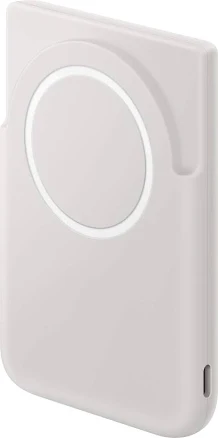
Samsung Galaxy Magnetic Wireless Battery Pack
Lower concern; battery pack materials unlikely to require PFAS treatment.
Lithium-ion battery pack with aluminum and stainless steel body. No evidence of fluorinated coatings or water-resistance treatments typical in electronics.
We flunk more products than we pass. This one earned its grade. How we grade
Material
Lithium-ion battery, aluminum, stainless steel body
Lab data
No public lab test
You may also be interested in
Top-graded picks in the categories readers replace first, every one scored on the same rubric.

- polypropylene filter housing, carbon/sediment cartridge
- We found no PFAS statement from the brand
- Bacterial growth in spent cartridges
3 hazards checked on this product, all on its full breakdown.

Aquasure
Premier Series 75 GPD Under Sink Reverse Osmosis Water Filtration System
- RO membrane, carbon filters, stainless steel housing
- We found no PFAS statement from the brand
- Bacterial and microbial growth in housing and filters
4 hazards checked on this product, all on its full breakdown.

Avocado
Vegan Mattress
- organic cotton, natural latex, coconut coir, recycled steel coils
- The brand calls it PFAS-free, which we have not verified
- Heavy metals
2 hazards checked on this product, all on its full breakdown.
What Samsung Galaxy Magnetic Battery Pack is made of, ingredients and materials
This product is a lithium-ion battery pack housed in aluminum and stainless steel. Lithium-ion cells themselves do not release toxic chemicals under normal use; the metal casing is inert and food-contact-safe. The internal circuitry includes standard protection circuits to prevent overcharging and thermal runaway. No glazes, coatings, dyes, or chemical treatments are involved in the manufacturing of the battery cells themselves, eliminating many common leaching pathways.
What’s concerning
Category baseline
The starting point for this type of product, before anything specific to this product is counted.
No PFAS disclosure
No public statement from the brand about PFAS in this product.
Lithium-ion thermal runaway (overcharge/physical damage)
Built-in protection circuits minimize risk under normal use, but physical damage or manufacturing defects can theoretically trigger thermal runaway, producing heat and smoke. This is a general class risk, not specific to Samsung, and managed by UL certification standards.
Internal electrolyte irritation (puncture hazard)
Lithium-ion batteries contain organic electrolyte solvents (typically carbonate esters) that can cause skin/eye irritation if exposed through casing damage. Samsung's sealed design minimizes this risk under intended use; risk only materializes if the casing is breached.
What’s reassuring
Base material not linked to PFAS
The main material recorded for this product is not one associated with PFAS.
Aluminum corrosion and leachables (rare)
Anodized aluminum housings do not leach aluminum ions under normal use or moisture exposure. No documented cases of leaching from Samsung battery pack housings have been reported in public safety databases or independent testing.
Heavy metals
Modern battery protection circuits use lead-free solder and RoHS-compliant components; Samsung meets these standards. No independent analysis has reported lead, cadmium, or other heavy metals in measurable quantities in portable power products from this brand.
Source, FDA ↗How is this PFAS grade calculated?
The brand's record and disclosure
Samsung is a major electronics manufacturer with established UL/FCC certification pathways for portable battery products. The company does not publicly disclose detailed chemical composition for proprietary battery formulations, which is standard industry practice. Samsung has faced no public recalls or documented chemical safety complaints specific to wireless battery packs. No independent testing has flagged heavy metal or off-gassing issues in Samsung portable power products.
How it compares in its category
Wireless battery packs occupy a lower-hazard category than cookware, textiles, or cosmetics because they have no direct skin or food contact and minimal chemical processing in visible components. Lithium-ion technology is the industry standard and has a strong safety track record when protected by proper charging circuitry. Aluminum and stainless steel housings present lower concern than plastic-dominant designs, which can off-gas or leach BPA under heat stress. Samsung's products are mid-to-premium tier; no advantage or disadvantage versus other major brands (Apple, Anker, Belkin) on chemical safety grounds.
If you buy it
Keep the battery pack away from prolonged heat above 45C (113F) to minimize any risk of internal cell degradation. Do not disassemble or puncture the casing; internal electrolyte can cause skin irritation. Charge the pack in cool, dry conditions and replace it if the casing shows visible damage, swelling, or corrosion. Proper disposal at an e-waste facility is important because lithium-ion cells require specialized recycling, not household trash.
What is not known about PFAS in this product?
- Basis
- Model estimate, 72% confidence, not a lab result
- Lab test
- None on record for this exact product
- Brand statement
- Samsung has made a specific claim
Formulations change between production runs, so check the current label. How we grade.
More waterproof phone chargers & cables grades
How we score, every product runs through the same public 0-100 rubric based on materials, coatings, brand disclosure, lab findings, and recalls. See the full methodology → Spotted a mistake? Report an error.