Samsung · Waterproof Phone Chargers & Cables
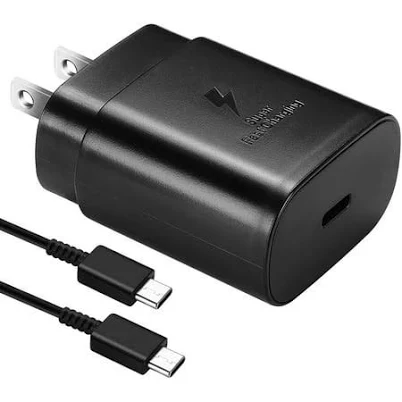
Samsung 25W Super Fast Charging Wall Charger
Lower concern; standard charger with no PFAS exposure routes.
Standard wall charger with plastic housing and circuits. No water-repellent coating coatings, stain treatments, or grease-resistance features that would introduce PFAS.
We flunk more products than we pass. This one earned its grade. How we grade
Material
plastic housing, internal circuits, ceramic capacitors
Lab data
No public lab test
You may also be interested in
Top-graded picks in the categories readers replace first, every one scored on the same rubric.

- polypropylene filter housing, carbon/sediment cartridge
- We found no PFAS statement from the brand
- Bacterial growth in spent cartridges
3 hazards checked on this product, all on its full breakdown.

Aquasure
Premier Series 75 GPD Under Sink Reverse Osmosis Water Filtration System
- RO membrane, carbon filters, stainless steel housing
- We found no PFAS statement from the brand
- Bacterial and microbial growth in housing and filters
4 hazards checked on this product, all on its full breakdown.

Avocado
Vegan Mattress
- organic cotton, natural latex, coconut coir, recycled steel coils
- The brand calls it PFAS-free, which we have not verified
- Heavy metals
2 hazards checked on this product, all on its full breakdown.
What Samsung 25W Super Fast Wall Charger is made of, ingredients and materials
The Samsung 25W charger uses a plastic polymer housing (likely polycarbonate or ABS) with internal ceramic capacitors and standard electronic circuitry. The plastic casing is not a primary food or skin contact surface, which significantly limits leaching pathways for chemicals like BPA or phthalates. Ceramic capacitors are chemically inert under normal use; the main structural risk is physical damage to the casing exposing internal components to moisture or debris.
What’s concerning
Category baseline
The starting point for this type of product, before anything specific to this product is counted.
No PFAS disclosure
No public statement from the brand about PFAS in this product.
Electrical/thermal safety (design integrity)
All wall chargers carry inherent risk of overheating, short-circuiting, or fire if manufacturing defects occur or casing is physically damaged. Samsung chargers are UL-certified, but certification does not eliminate rare failure modes. User responsibility for cable and casing integrity is critical.
Manufacturing contamination or counterfeit units
Third-party or counterfeit Samsung chargers sold online may use substandard plastics, poor solder quality, or missing safety certifications. Purchase from authorized retailers to minimize this risk.
What’s reassuring
Base material not linked to PFAS
The main material recorded for this product is not one associated with PFAS.
Plastic housing degradation and leaching
The polymer casing is not designed for food contact or extended skin exposure, minimizing leaching risk. Degradation from UV or heat could theoretically expose internal circuits, but no established pathway to human exposure exists under normal charger use.
Heavy metals
Lead in solder and other heavy metals are standard in electronics manufacturing but remain fully encapsulated within the sealed housing. No ingestion or inhalation pathway exists unless the device is disassembled or destroyed.
Source, FDA ↗Phthalates
The rigid plastic housing does not require phthalate plasticizers for flexibility. Phthalate exposure is not a recognized concern for hard plastic charger bodies.
Source, ATSDR ↗How is this PFAS grade calculated?
The brand's record and disclosure
Samsung has not made public statements specifically addressing PFAS use in charging equipment, placing it in the silent category on this compound. The company has published general sustainability commitments but lacks third-party certification for chemical transparency in electronics accessories. No major recalls or safety controversies are on record for this specific charger model. Samsung's broader electronics products have faced scrutiny over e-waste and supply chain practices, though not unique to this brand.
How it compares in its category
Wall chargers as a category carry minimal chemical hazard compared to cookware, textiles, or cosmetics because they do not contact food, skin, or inhalation pathways under normal use. The 25W fast-charging specification falls mid-range for modern phones; comparable alternatives from Anker, Apple, or Google use similar plastic housings and capacitor designs with equivalent safety profiles. No major difference exists between this model and competitors in material composition or disclosed hazards.
If you buy it
Keep the charger in dry conditions and away from water or high humidity to prevent internal corrosion and electrical failure. Do not intentionally damage the plastic casing; if cracks appear, discontinue use to avoid contact with circuit components. Inspect the charging cable regularly for fraying or exposed wires and replace if damaged. Storage in moderate temperature (below 35C) extends component lifespan; avoid prolonged heat exposure near heat sources.
What is not known about PFAS in this product?
- Basis
- Model estimate, 78% confidence, not a lab result
- Lab test
- None on record for this exact product
- Brand statement
- Samsung has made a specific claim
Formulations change between production runs, so check the current label. How we grade.
More waterproof phone chargers & cables grades
How we score, every product runs through the same public 0-100 rubric based on materials, coatings, brand disclosure, lab findings, and recalls. See the full methodology → Spotted a mistake? Report an error.