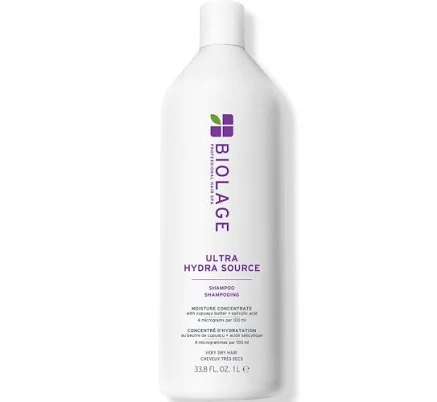
Biolage Matrix Ultra Hydrasource Shampoo
Lower concern; liquid personal care with no known PFAS triggers, no third-party verification.
This aqueous shampoo contains no documented PFAS coatings, nonstick treatments, or water-repellent finishes typical of high-risk products. The brand does not claim PFAS-free status or hold certifications.
We flunk more products than we pass. This one earned its grade. How we grade
Material
aqueous shampoo with silicones, polymers, surfactants
Brand disclosure
Brand is silent on PFAS
Lab data
No public lab test
You may also be interested in
Top-graded picks in the categories readers replace first, every one scored on the same rubric.

- polypropylene filter housing, carbon/sediment cartridge
- We found no PFAS statement from the brand
- Bacterial growth in spent cartridges
3 hazards checked on this product, all on its full breakdown.

Aquasure
Premier Series 75 GPD Under Sink Reverse Osmosis Water Filtration System
- RO membrane, carbon filters, stainless steel housing
- We found no PFAS statement from the brand
- Bacterial and microbial growth in housing and filters
4 hazards checked on this product, all on its full breakdown.

Avocado
Vegan Mattress
- organic cotton, natural latex, coconut coir, recycled steel coils
- The brand calls it PFAS-free, which we have not verified
- Heavy metals
2 hazards checked on this product, all on its full breakdown.
What Biolage Matrix Ultra Hydrasource Shampoo is made of, ingredients and materials
Biolage Matrix Ultra Hydrasource is an aqueous shampoo built around silicones (likely dimethicone or amodimethicone) and synthetic polymers as conditioning and slip agents, combined with standard anionic surfactants for cleansing. These ingredients are stable in solution and do not migrate into skin or scalp tissue under normal use. The silicone and polymer matrix is designed to coat hair rather than penetrate, reducing systemic absorption risk compared to leave-on products.
What’s concerning
Category baseline
The starting point for this type of product, before anything specific to this product is counted.
No PFAS disclosure
No public statement from the brand about PFAS in this product.
Fragrance allergens
Biolage lists 'fragrance' (parfum) on the INCI, a catch-all term masking 30+ undisclosed aroma chemicals. Individuals with fragrance sensitivity or contact dermatitis history may experience scalp irritation; true prevalence in shampoos is low but not zero.
Parabens
Standard preservatives in aqueous shampoos carry a small risk of delayed allergic contact dermatitis, particularly methylisothiazolinone derivatives if present. No specific ingredient audit is available for this formulation; risk is consistent with the category and brand tier.
Source, FDA ↗What’s reassuring
Base material not linked to PFAS
The main material recorded for this product is not one associated with PFAS.
Silicone accumulation on scalp
Silicones do not penetrate skin or enter the bloodstream; repeated use can cause cosmetic buildup (dullness, flaking) if not clarified periodically, but no dermatological or systemic toxicity is documented.
1,4-dioxane (manufacturing contaminant)
Ethoxylated surfactants used in shampoos may harbor trace 1,4-dioxane as a production byproduct. FDA does not mandate disclosure or removal at trace levels; no specific testing data for this product exists, but contamination rates in mainstream shampoos are generally <10 ppm if present.
Formaldehyde / VOCs
Quaternium-15 and DMDM hydantoin (formaldehyde releasers) are not standard in modern Biolage formulations, but product-specific ingredient verification is not independently confirmed; risk is consistent with regulatory standards if present in trace amounts.
Source, ATSDR ↗How is this PFAS grade calculated?
The brand's record and disclosure
Biolage is owned by L'Oreal, a major cosmetics manufacturer with established safety and regulatory compliance infrastructure. The brand does not advertise independent third-party certifications (e.g., EWG Verified, Leaping Bunny) for this line. No significant safety recalls or contamination incidents are on record for Biolage shampoos. Ingredient transparency is standard for the category; full INCI labeling is present on packaging.
How it compares in its category
This product is typical of mainstream conditioning shampoos, silicone-heavy, surfactant-based, and formulated for cosmetic performance rather than minimalist ingredient counts. It has lower concern than products with unregulated colorants or preservatives, but higher concern than premium organic or EWG-certified alternatives due to less regulatory scrutiny of its ingredients. The silicone load is standard for 'hydration-focused' shampoos in this price tier.
If you buy it
Use as directed on the label, apply to wet hair, lather, rinse thoroughly. No special precautions needed beyond avoiding eye contact. Silicone buildup on hair is cosmetic (dullness, weight), not a health hazard; alternate with a clarifying shampoo monthly if this occurs. Store at room temperature away from heat. Discontinue if scalp irritation develops; sensitivity to sulfites or fragrance components is rare but possible.
What is not known about PFAS in this product?
- Basis
- Model estimate, 72% confidence, not a lab result
- Lab test
- None on record for this exact product
- Brand statement
- Biolage has made none
Formulations change between production runs, so check the current label. How we grade.
More shampoo grades
How we score, every product runs through the same public 0-100 rubric based on materials, coatings, brand disclosure, lab findings, and recalls. See the full methodology → Spotted a mistake? Report an error.