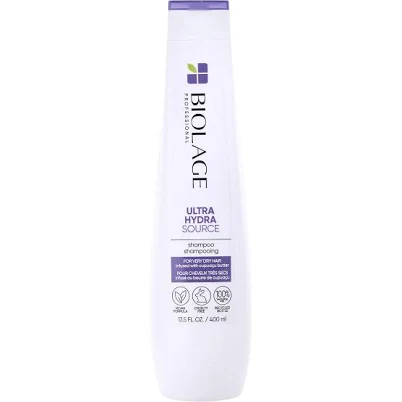
Biolage Ultra Hydra Source Shampoo
Lower PFAS concern for rinse-off shampoo; typical formulation poses minimal exposure risk.
This water-based shampoo lacks waterproofing, grease-resistance, or nonstick coatings typical of PFAS use. The brand makes no PFAS claims, and no public lab data exists.
We flunk more products than we pass. This one earned its grade. How we grade
Material
Water-based shampoo concentrate (aqueous solution)
Brand disclosure
Brand is silent on PFAS
Lab data
No public lab test
You may also be interested in
Top-graded picks in the categories readers replace first, every one scored on the same rubric.

- polypropylene filter housing, carbon/sediment cartridge
- We found no PFAS statement from the brand
- Bacterial growth in spent cartridges
3 hazards checked on this product, all on its full breakdown.

Aquasure
Premier Series 75 GPD Under Sink Reverse Osmosis Water Filtration System
- RO membrane, carbon filters, stainless steel housing
- We found no PFAS statement from the brand
- Bacterial and microbial growth in housing and filters
4 hazards checked on this product, all on its full breakdown.

Avocado
Vegan Mattress
- organic cotton, natural latex, coconut coir, recycled steel coils
- The brand calls it PFAS-free, which we have not verified
- Heavy metals
2 hazards checked on this product, all on its full breakdown.
What Biolage Ultra Hydra Source Shampoo is made of, ingredients and materials
Biolage Ultra Hydra Source is a water-based shampoo concentrate, meaning the active cleaning agents (surfactants) are dissolved in water rather than oil or volatile solvents. The formulation relies on standard anionic surfactants for cleansing and conditioning polymers to coat and protect hair. Because this is a rinse-off product applied briefly to skin and hair then thoroughly washed away, exposure to preservatives, fragrances, and other additives is minimal compared to leave-on products like conditioners or styling treatments.
What’s concerning
Category baseline
The starting point for this type of product, before anything specific to this product is counted.
No PFAS disclosure
No public statement from the brand about PFAS in this product.
Fragrance allergens and sensitizers
Biolage Ultra Hydra Source contains fragrance compounds (listed as 'Fragrance' or 'Parfum' in ingredients). Rinse-off nature limits skin exposure, but individuals with sensitive scalp or fragrance sensitivity may experience contact dermatitis or scalp irritation even from brief application.
Parabens
Standard shampoos require preservatives to prevent bacterial and mold growth during storage and use. While paraben concentrations in rinse-off products are low-exposure, individuals with paraben sensitivity or those prone to scalp inflammation may react to the formulation.
Source, FDA ↗What’s reassuring
Base material not linked to PFAS
The main material recorded for this product is not one associated with PFAS.
1,4-dioxane contamination
No independent testing or recalls for 1,4-dioxane have been publicly documented for this product. However, some cosmetic surfactants (particularly ethoxylated ingredients) can contain trace 1,4-dioxane as a manufacturing byproduct; Biolage's supplier standards are not publicly disclosed.
Heavy metals
Shampoos may contain iron oxides or mica for color or opacity, but no documented heavy metal contamination (lead, cadmium, arsenic) has been reported for this brand or product line. Water-based formulations without pigmented styling claims carry lower risk than pigmented cosmetics.
Source, FDA ↗Formaldehyde / VOCs
No evidence that Biolage Ultra Hydra Source uses formaldehyde or formaldehyde-releasers; most mainstream brands have phased these out due to regulatory pressure and consumer concern, though they remain legal at low levels in rinse-off products.
Source, ATSDR ↗How is this PFAS grade calculated?
The brand's record and disclosure
Biolage is owned by L'Oreal, a major beauty conglomerate with established safety testing protocols but limited public transparency on ingredient sourcing or PFAS policy. The brand does not appear to have faced significant safety recalls or regulatory actions specific to this product line. No certifications (such as Clean Beauty Project or EWG verification) are publicly associated with Biolage products, though they comply with FDA and EU cosmetic regulations as baseline.
How it compares in its category
Mainstream shampoos like this occupy the middle ground, more heavily fraganced and preserved than simple sulfate-free bars, but simpler in formulation than specialty salon treatments. Compared to premium alternatives marketed as 'clean' or 'natural,' Biolage uses conventional preservative and surfactant chemistry without significant premium pricing. Most drugstore and mid-tier shampoos share similar hazard profiles for this use category.
If you buy it
Use as directed on damp hair, lather briefly, and rinse thoroughly with warm water. Store in a cool, dry place and replace every 12 to 18 months if stored in the bathroom (humidity can degrade preservative efficacy and increase bacterial growth risk). If scalp irritation, redness, or allergic reaction develops, discontinue use and identify the offending ingredient (typically fragrance or preservatives) by checking the ingredient list or consulting a dermatologist. Do not ingest and keep away from eyes; if eye contact occurs, rinse immediately.
What is not known about PFAS in this product?
- Basis
- Model estimate, 72% confidence, not a lab result
- Lab test
- None on record for this exact product
- Brand statement
- Biolage has made none
Formulations change between production runs, so check the current label. How we grade.
More shampoo grades
How we score, every product runs through the same public 0-100 rubric based on materials, coatings, brand disclosure, lab findings, and recalls. See the full methodology → Spotted a mistake? Report an error.