Boar's Head · Deli Meat & Cold Cuts Packaging
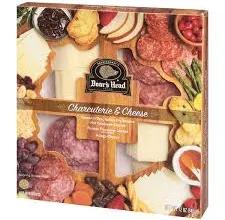
Boar's Head Charcuterie & Cheese
Lower concern for the product, but packaging coating PFAS content unverified.
Boar's Head charcuterie and cheese are ordinary foods without built-in PFAS risk. The vacuum-sealed plastic film may have grease-repelling coatings that sometimes contain PFAS, which Boar's Head doesn't publicly address.
We flunk more products than we pass. This one earned its grade. How we grade
Material
plastic film (vacuum-sealed package)
Brand disclosure
Brand is silent on PFAS
Lab data
No public lab test
You may also be interested in
Top-graded picks in the categories readers replace first, every one scored on the same rubric.

- polypropylene filter housing, carbon/sediment cartridge
- We found no PFAS statement from the brand
- Bacterial growth in spent cartridges
3 hazards checked on this product, all on its full breakdown.

Aquasure
Premier Series 75 GPD Under Sink Reverse Osmosis Water Filtration System
- RO membrane, carbon filters, stainless steel housing
- We found no PFAS statement from the brand
- Bacterial and microbial growth in housing and filters
4 hazards checked on this product, all on its full breakdown.

Avocado
Vegan Mattress
- organic cotton, natural latex, coconut coir, recycled steel coils
- The brand calls it PFAS-free, which we have not verified
- Heavy metals
2 hazards checked on this product, all on its full breakdown.
What Boar's Head Charcuterie & Cheese is made of, ingredients and materials
Boar's Head charcuterie products are cured and processed meats sealed in standard plastic film vacuum packaging. The plastic itself is typically polyethylene (PE) or polypropylene (PP), neither of which leaches problematic chemicals into cold, shelf-stable products under normal storage. The primary concern in this category is not the packaging chemistry but sodium nitrite/nitrate preservatives in the meat itself, which is a separate food-safety and nutrition issue outside material hazards.
What’s concerning
Category baseline
The starting point for this type of product, before anything specific to this product is counted.
No PFAS disclosure
No public statement from the brand about PFAS in this product.
PFAS
Vacuum-seal films may contain PFAS for grease resistance; Boar's Head has not disclosed testing. Direct transfer to food is minimal for cold, dry cured meat, but long-term or warm storage could theoretically increase migration. Graded separately per your brief (70/100 safety).
Source, ATSDR ↗Listeria and bacterial contamination
Boar's Head issued recalls for listeria monocytogenes in deli products (2023). This is a microbial food-safety hazard, not a material hazard, but relevant to product trust. Proper refrigeration and consumption within shelf life mitigate risk.
Sodium nitrite residues in meat (food additive, not material)
Cured deli meats contain nitrites as preservatives; these are intentional food additives subject to FDA limits, not packaging migration hazards. Long-term consumption is a nutritional/health concern independent of material safety.
What’s reassuring
Base material not linked to PFAS
The main material recorded for this product is not one associated with PFAS.
BPA & bisphenols
Standard food-contact polyethylene and polypropylene films do not contain phthalates or BPA by regulatory design. No recalls or documented cases for this product category involving these chemicals.
Source, FDA ↗Microplastics
Vacuum-sealed cold products do not generate heat or mechanical stress that would fragment plastic into the food. Risk is theoretical only if packaging is physically damaged or improperly incinerated.
Source, EPA ↗How is this PFAS grade calculated?
The brand's record and disclosure
Boar's Head does not publicly disclose packaging material composition or PFAS testing on consumer-facing channels. The brand has faced recalls for listeria contamination in deli products (notably 2023), but these are microbial food-safety events, not material hazards. No major chemical hazard recalls or litigation specific to packaging materials are on record for this product line. The company's silence on PFAS in packaging reflects broader industry practice rather than exceptional opacity.
How it compares in its category
Vacuum-sealed deli meats from all major producers (Boar's Head, Hormel, store brands) use similar plastic film packaging; there is no material safety distinction at retail. Whole charcuterie boards or bulk unpackaged options from delis avoid plastic altogether but carry higher microbial risk if not refrigerated properly. Boar's Head's sealed format actually reduces contamination risk versus open-counter alternatives, though it does not address packaging PFAS uncertainty.
If you buy it
Store unopened packages at 40F or below and consume by the printed date; vacuum sealing maintains shelf life without chemical migration risk. Do not heat the product in its plastic packaging; transfer to glass or ceramic if microwaving. Once opened, use within 3-5 days and keep refrigerated. Check the package for punctures or swelling before purchase, which indicate potential bacterial growth rather than chemical hazard.
What is not known about PFAS in this product?
- Basis
- Model estimate, 68% confidence, not a lab result
- Lab test
- None on record for this exact product
- Brand statement
- Boar's Head has made none
Formulations change between production runs, so check the current label. How we grade.
What are the PFAS-free alternatives to Boar's Head Charcuterie & Cheese?
IDL Packaging
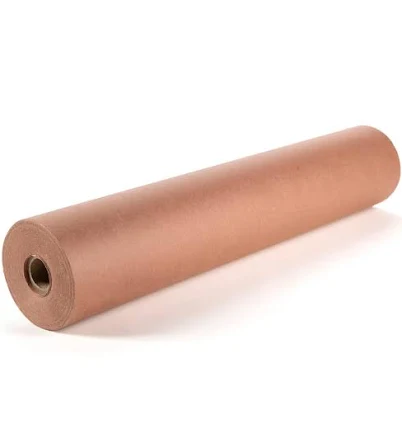
White Butcher Paper 18" x 12000" Natural Butcher Paper Roll for Meat and Fish
- natural kraft butcher paper, no coating specified
- The brand calls it PFAS-free, which we have not verified
- Bleach residue and chlorine compounds
2 hazards checked on this product, all on its full breakdown.
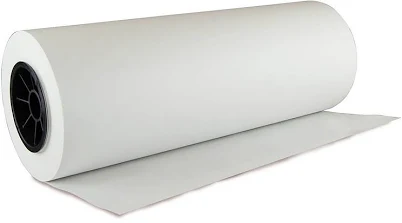
- stainless steel blade, bare metal construction
- We found no PFAS statement from the brand
- Blade degradation and metal particle shedding
2 hazards checked on this product, all on its full breakdown.
More deli meat & cold cuts packaging grades
How we score, every product runs through the same public 0-100 rubric based on materials, coatings, brand disclosure, lab findings, and recalls. See the full methodology → Spotted a mistake? Report an error.