Bogner · Ski & Snowboard Jackets
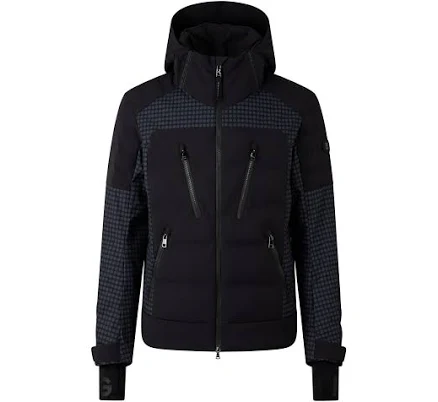
Bogner Fionn Men's Ski Jacket
Skip or contact Bogner directly or no PFAS transparency on a water-resistant ski jacket.
This premium ski jacket features a water-repellent coating treatment, a category traditionally dependent on PFAS chemistry. Bogner shares no public disclosure of PFAS status, alternatives, or third-party testing.
Still want this one anyway? Check the price on Amazon. We’d swap it.
Material
Polyester shell with water-repellent coating-treated outer layer
Brand disclosure
Brand is silent on PFAS
Lab data
No public lab test
What Bogner Fionn Men's Ski Jacket is made of, ingredients and materials
The Fionn jacket uses a polyester shell with a water-repellent coating (water-repellent coating) finish applied to the outer layer. water-repellent coating coatings are a primary concern, traditional versions relied on PFAS (PFAS "forever chemicals") to achieve water-shedding, though some manufacturers have switched to alternatives not linked to PFAS. Bogner has not publicly disclosed which chemistry they use on this jacket. Polyester itself is inert under normal wearing conditions, but the finish applied to it determines the hazard profile.
What’s concerning
Category baseline
The starting point for this type of product, before anything specific to this product is counted.
No PFAS disclosure
No public statement from the brand about PFAS in this product.
Waterproof / stain-resistant treatment
Water-repellent coating treatments have historically used PFAS.
PFAS
Some legacy PFAS-free water-repellent coating alternatives (e.g., fluorine-free hydrophobic polymers) have limited long-term safety data. Bogner's specific chemistry is undisclosed; without knowing the formulation, non-PFAS hazards cannot be ruled out.
Source, ATSDR ↗Coating degradation and off-gassing over time
Water-repellent coating coatings break down with heat and wear; degradation products are not typically monitored by brands. Risk is low during normal use but increases if jacket is heated (dryer, radiator proximity). Proper storage and care minimize this.
What’s reassuring
Formaldehyde / VOCs
No recalls or reports of formaldehyde-based finishes in Bogner ski jackets. Modern polyester processing typically avoids formaldehyde resins, though some budget brands still use them; Bogner's premium positioning suggests compliance with EU/North American standards that restrict these.
Source, ATSDR ↗Azo dyes in synthetic fibers
Polyester jackets of this caliber are unlikely to use banned azo dyes (regulated under REACH and other regimes). Bogner has not published dyeing standards, but no safety incidents are documented.
Antimony in polyester
Polyester catalyst residues (antimony trioxide) are tightly regulated in EU and North American apparel. Bogner products sold in these markets should comply; no contamination reports exist for this brand.
The full breakdown
The brand's record and disclosure
Bogner is a luxury ski apparel brand owned by Apax Partners; they do not maintain publicly available material safety disclosures or PFAS-free certifications on their website. No recalls or safety controversies specific to this model are on record. The brand's silence on water-repellent coating chemistry is notable given the 2023-2024 industry shift toward transparency on PFAS in outdoor gear. Without certification or direct communication, you cannot verify whether this jacket uses PFAS-based or PFAS-free water repellency.
How it compares in its category
Ski jackets as a category routinely use water-repellent coating treatments; many premium brands (Arc'teryx, Patagonia, The North Face) now label PFAS-free finishes or provide certifications. Bogner's lack of disclosure places it below transparent competitors but is not unusual for heritage luxury sportswear brands. The polyester shell material itself is standard; the differentiation lies entirely in the water-repellent coating chemistry, which remains opaque.
If you buy it
Before purchase, email Bogner customer service and request explicit confirmation of whether the water-repellent coating finish is PFAS-based or PFAS-free. Store the jacket in a cool, dry place away from direct heat sources; avoid tumble drying, which can degrade water-repellent coating and potentially release volatile compounds. water-repellent coating coatings degrade over 2-5 years of regular use and laundering; when water stops beading, reapplication is available from outdoor repair services, though you should specify renewal using materials not linked to PFAS. Wash in cold water with minimal detergent to extend water-repellent coating life and reduce off-gassing.
What we don’t know
- Basis
- Model estimate, 35% confidence, not a lab result
- Lab test
- None on record for this exact product
- Brand statement
- Bogner has made none
Formulations change between production runs, so check the current label. How we grade.
Better-graded alternatives in Ski & Snowboard Jackets
Allbirds
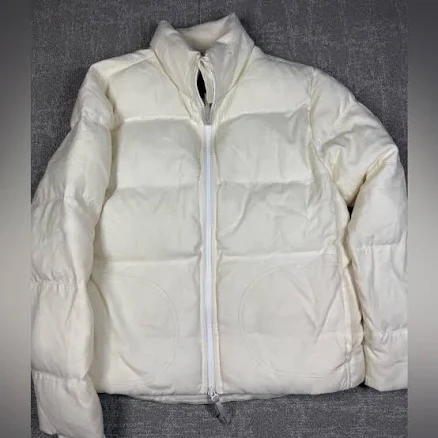
Jackets & Coats Allbirds Full Zip Wool Blend Puffer Jacket Women Size Small
- Wool blend with synthetic fill (likely polyester)
- We found no PFAS statement from the brand
- water-repellent coating (water-repellent coating) coating composition
3 hazards checked on this product. See all of them.
Allbirds
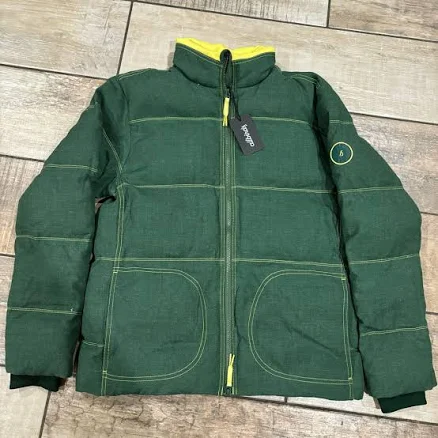
Jackets & Coats Allbirds Men's Trino Puffer Jacket Full Zip Wool Blend Forest Green Coat Size Sm
- wool blend (natural fiber dominant)
- We found no PFAS statement from the brand
- water-repellent coating (water-repellent coating) treatment - undisclosed chemistry
2 hazards checked on this product. See all of them.
Allbirds
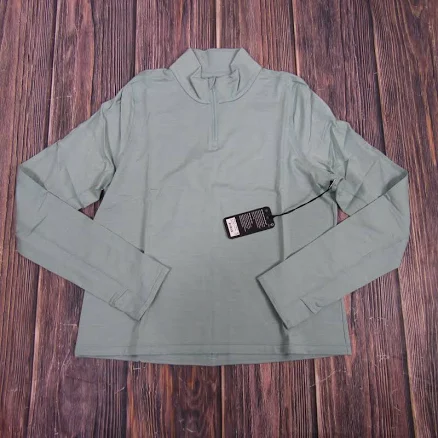
NWT Womens Medium Green Natural Run Mid Layer 1/4 Zip Jacket
- Merino wool blend (natural fiber)
- We found no PFAS statement from the brand
- Azo dyes and synthetic dye residue
3 hazards checked on this product. See all of them.
More ski & snowboard jackets grades
How we score, every product runs through the same public 0-100 rubric based on materials, coatings, brand disclosure, lab findings, and recalls. See the full methodology → Spotted a mistake? Report an error.