Bogner · Ski & Snowboard Jackets
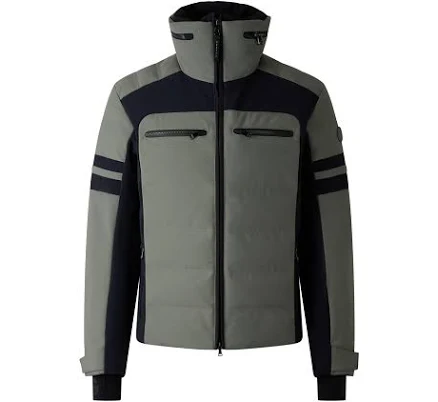
Bogner Minho Down Jacket Men
Down jackets commonly use PFAS-based water-repellent coating or skip unless verified PFAS-free.
This premium down jacket likely features a water-repellent coating finish on its nylon shell, which historically relied on PFAS compounds. Bogner makes no public commitment to PFAS avoidance.
Still want this one anyway? Check the price on Amazon. We’d swap it.
Material
Down fill with nylon shell, likely water-repellent coating-treated
Brand disclosure
Brand is silent on PFAS
Lab data
No public lab test
What Bogner Minho Down Jacket Men is made of, ingredients and materials
The Minho combines a nylon outer shell with down insulation. Nylon itself is chemically stable and low-hazard. The critical unknown is the water-repellent coating (water-repellent coating) finish applied to the shell, industry standard for ski jackets is Teflon-type coating-based or fluorocarbon chemistry, which means PFAS. Down fill from responsibly sourced lots poses no established chemical hazard, though down dust inhalation during manufacturing is an occupational concern, not consumer risk.
What’s concerning
Category baseline
The starting point for this type of product, before anything specific to this product is counted.
No PFAS disclosure
No public statement from the brand about PFAS in this product.
Waterproof / stain-resistant treatment
Water-repellent coating treatments have historically used PFAS.
PFAS
Nylon ski jacket shells are almost universally treated with water-repellent finishes; industry standard remains Teflon-type coating or PFC chemistry. Bogner provides no disclosure. Skin contact and wear-related particle release are low-risk; laundry wastewater is the primary environmental concern.
Source, ATSDR ↗Nylon fiber degradation and microfiber shedding
Repeated flexing, abrasion, and laundering of nylon shells can shed microfibers, particularly at seams and stress points. Risk increases with age and washing frequency. This is a general concern for synthetic textiles, not specific to Bogner, but relevant to long-term wear.
Down feather dust and allergen inhalation
Down fill can release fine dust and allergens during handling, compression, and wear. Most relevant during initial unpacking or if the shell develops holes. Not a manufacturing residue hazard but an inhalation risk for sensitive individuals, particularly in close contact (near face/neck).
What’s reassuring
Formaldehyde / VOCs
Premium ski jackets typically use low-formaldehyde or formaldehyde-free seam sealing. No public record of formaldehyde issues in Bogner products, and nylon + down construction does not inherently require formaldehyde resins. Risk is low but unverified by third-party test.
Source, ATSDR ↗Heavy metals
Bogner jackets typically use minimal printed branding and standard textile dyes. No recalls or reports of heavy metal contamination. Risk is negligible for this product category and brand, though no third-party certification (e.g., OEKO-TEX) is marketed.
Source, FDA ↗The full breakdown
The brand's record and disclosure
Bogner is a heritage alpine apparel brand with no publicly available PFAS commitment, third-party testing disclosure, or certification (such as OEKO-TEX or bluesign). The brand does not market PFAS-free water-repellent coating treatment. This silence is typical in the ski wear category but leaves consumers unable to verify whether the jacket uses legacy PFAS coatings or newer alternatives. Bogner's parent company and supply chain transparency remain opaque on this front.
How it compares in its category
Most premium ski jackets from Bogner's tier (Arc'teryx, The North Face, Patagonia) also use water-repellent coating finishes without disclosing PFAS status, though some brands have begun switching to PFAS-free or low-PFAS alternatives. Bogner's lack of marketing on this issue suggests they have not differentiated toward lower concern chemistry. For a jacket in this price range, transparency is increasingly expected and is absent here.
If you buy it
Wash sparingly; frequent laundering can strip water-repellent coating and may release particles into wastewater. Use cold water and mild detergent designed for technical fabrics (avoid heavy detergents). Air-dry fully before storage to prevent mold on down. Inspect seams and outer shell annually for damage or delamination; a compromised shell increases moisture ingress and reduces performance. Do not dry-clean or heat-dry, as high temperatures may accelerate degradation of coatings and nylon fiber.
What we don’t know
- Basis
- Model estimate, 45% confidence, not a lab result
- Lab test
- None on record for this exact product
- Brand statement
- Bogner has made none
Formulations change between production runs, so check the current label. How we grade.
Better-graded alternatives in Ski & Snowboard Jackets
Allbirds
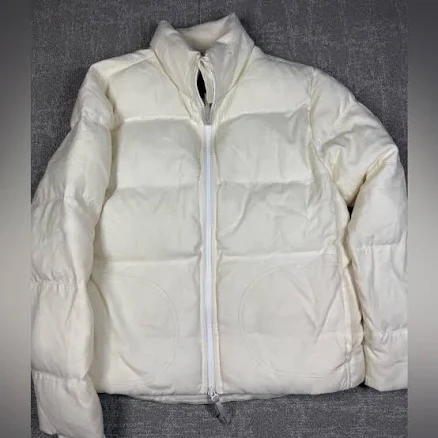
Jackets & Coats Allbirds Full Zip Wool Blend Puffer Jacket Women Size Small
- Wool blend with synthetic fill (likely polyester)
- We found no PFAS statement from the brand
- water-repellent coating (water-repellent coating) coating composition
3 hazards checked on this product. See all of them.
Allbirds
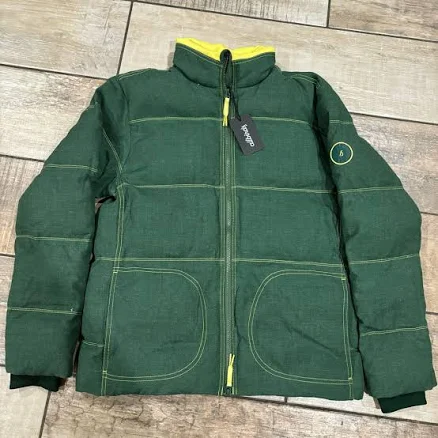
Jackets & Coats Allbirds Men's Trino Puffer Jacket Full Zip Wool Blend Forest Green Coat Size Sm
- wool blend (natural fiber dominant)
- We found no PFAS statement from the brand
- water-repellent coating (water-repellent coating) treatment - undisclosed chemistry
2 hazards checked on this product. See all of them.
Allbirds
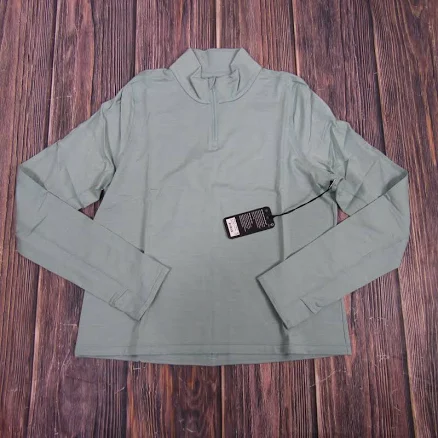
NWT Womens Medium Green Natural Run Mid Layer 1/4 Zip Jacket
- Merino wool blend (natural fiber)
- We found no PFAS statement from the brand
- Azo dyes and synthetic dye residue
3 hazards checked on this product. See all of them.
More ski & snowboard jackets grades
How we score, every product runs through the same public 0-100 rubric based on materials, coatings, brand disclosure, lab findings, and recalls. See the full methodology → Spotted a mistake? Report an error.