Bogner · Ski & Snowboard Jackets
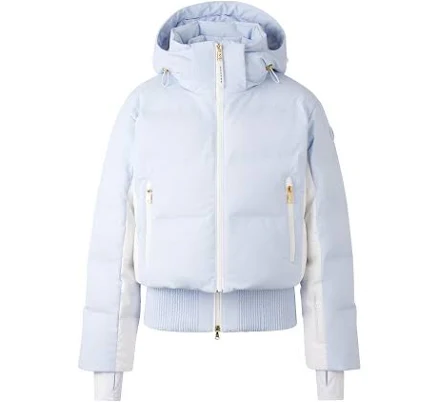
Bogner Suri Women Down Ski Jacket
Skip until Bogner discloses water-repellent coating chemistry or switches to PFAS-free alternatives.
This down ski jacket features a water-repellent coating finish on its synthetic shell, standard for premium ski wear. Bogner makes no public disclosure about PFAS in their water-repellent coating treatments, historically fluorinated.
Still want this one anyway? Check the price on Amazon. We’d swap it.
Material
Down fill with nylon shell, water-repellent coating (type unspecified)
Brand disclosure
Brand is silent on PFAS
Lab data
No public lab test
What Bogner Suri Women Down Ski Jacket is made of, ingredients and materials
The Suri uses a nylon shell with down fill, a standard construction for performance ski jackets. The critical unknown is the water-repellent coating (water-repellent coating) coating applied to the nylon outer layer. water-repellent coating coatings on technical apparel have historically relied on long-chain PFAS (PFAS "forever chemicals") to achieve water and oil resistance. Bogner has not publicly disclosed whether this jacket uses PFAS-free water-repellent coating chemistry or a fluorinated formulation.
What’s concerning
Category baseline
The starting point for this type of product, before anything specific to this product is counted.
No PFAS disclosure
No public statement from the brand about PFAS in this product.
Waterproof / stain-resistant treatment
Water-repellent coating treatments have historically used PFAS.
water-repellent coating composition (fluorinated vs. fluorine-free)
Bogner has not disclosed whether the Suri uses legacy PFAS-based water-repellent coating or newer PFAS-free alternatives. Fluorinated water-repellent coating can migrate to skin and accumulate in blood over time; fluorine-free options exist but are not confirmed here.
VOC off-gassing from water-repellent coating or nylon adhesives
New ski jackets may emit volatile organic compounds during initial storage or wear, particularly if water-repellent coating or seam-sealing adhesives contain solvents. Airing the jacket outdoors for 24-48 hours before wearing indoors minimizes exposure.
What’s reassuring
Formaldehyde / VOCs
Nylon ski-jacket shells are not typically treated with formaldehyde-releasing resins (those are common in cotton apparel). No reports link Bogner ski jackets to formaldehyde exposure.
Source, ATSDR ↗Azo dyes in nylon shell or lining
Nylon is amenable to dye chemistry with lower concern for hazardous effects, and Bogner's color fastness record does not suggest problematic azo dyes. No independent testing or consumer reports document this hazard for the Suri.
Down fill quality and allergen risk
Down fill itself poses minimal chemical hazard if sourced from certified suppliers. Bogner does not disclose down sourcing (RDS certification or equivalent), but allergic reactions to down are biological, not chemical.
The full breakdown
The brand's record and disclosure
Bogner, a premium Austrian ski-wear manufacturer, maintains minimal public transparency on chemical composition and treatment standards. No independent certifications (such as bluesign, OEKO-TEX, or GOTS) are documented for this jacket line. The brand has not signed commitments to phase out PFAS or adopt fluorine-free water-repellent coating alternatives, unlike competitors such as Patagonia and Arc'teryx. This silence represents a material gap in consumer trust for a product at this price point.
How it compares in its category
Mid-to-premium ski jackets increasingly offer water-repellent coating options with lower PFAS concern (wax-based, silicone, or polyurethane). Competitors including Patagonia, The North Face (select lines), and Arc'teryx have disclosed water-repellent coating chemistry or eliminated PFAS. Bogner's lack of transparency places it below the category standard for chemical disclosure, even though the down fill and nylon shell themselves pose no uncommon hazards. Price and brand prestige do not substitute for ingredient honesty in technical apparel.
If you buy it
Contact Bogner directly before purchase to request the water-repellent coating chemistry specification sheet. Wash the jacket in cool water with mild detergent before first wear to remove any residual coating particles. Avoid dry cleaning, which may degrade the water-repellent coating and increase skin contact with solvents. Reapply water-repellent coating treatments with lower PFAS concern (such as Granger's Universal) during the jacket's life to maintain water repellency without re-exposing yourself to fluorinated chemistry.
What we don’t know
- Basis
- Model estimate, 45% confidence, not a lab result
- Lab test
- None on record for this exact product
- Brand statement
- Bogner has made none
Formulations change between production runs, so check the current label. How we grade.
Better-graded alternatives in Ski & Snowboard Jackets
Allbirds
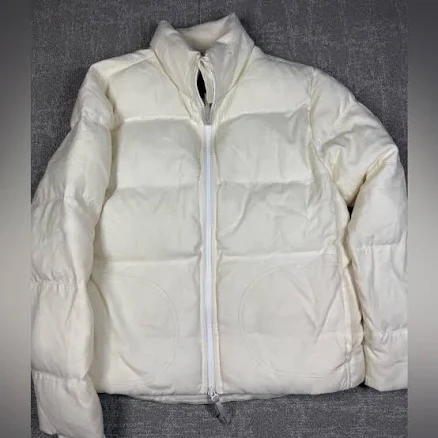
Jackets & Coats Allbirds Full Zip Wool Blend Puffer Jacket Women Size Small
- Wool blend with synthetic fill (likely polyester)
- We found no PFAS statement from the brand
- water-repellent coating (water-repellent coating) coating composition
3 hazards checked on this product. See all of them.
Allbirds
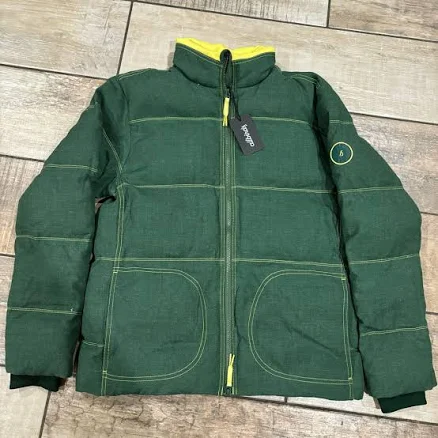
Jackets & Coats Allbirds Men's Trino Puffer Jacket Full Zip Wool Blend Forest Green Coat Size Sm
- wool blend (natural fiber dominant)
- We found no PFAS statement from the brand
- water-repellent coating (water-repellent coating) treatment - undisclosed chemistry
2 hazards checked on this product. See all of them.
Allbirds
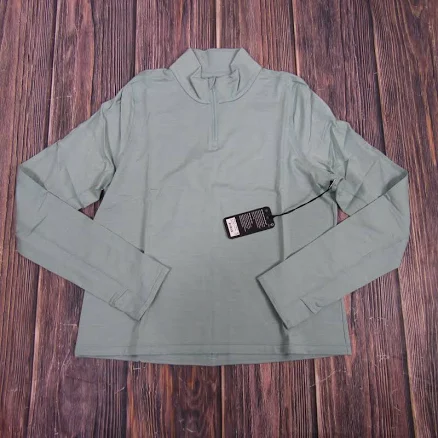
NWT Womens Medium Green Natural Run Mid Layer 1/4 Zip Jacket
- Merino wool blend (natural fiber)
- We found no PFAS statement from the brand
- Azo dyes and synthetic dye residue
3 hazards checked on this product. See all of them.
More ski & snowboard jackets grades
How we score, every product runs through the same public 0-100 rubric based on materials, coatings, brand disclosure, lab findings, and recalls. See the full methodology → Spotted a mistake? Report an error.