Bogner · Ski & Snowboard Jackets
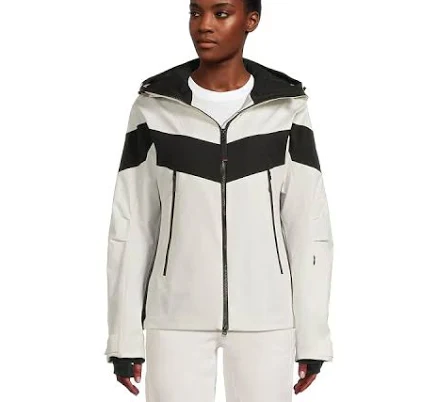
Bogner Women's Ashley Ski Jacket
Skip until Bogner discloses water-repellent coating chemistry or switches to PFAS-free alternatives.
The Ashley ski jacket uses water-repellent coating finishing, standard for performance outerwear but typically applied with fluorinated PFAS compounds. Bogner makes no public disclosure about PFAS content.
Still want this one anyway? Check the price on Amazon. We’d swap it.
Material
Polyester with water-repellent coating water-repellent treatment
Brand disclosure
Brand is silent on PFAS
Lab data
No public lab test
What Bogner Women's Ashley Ski Jacket is made of, ingredients and materials
The Ashley jacket is constructed primarily from polyester with a water-repellent coating (water-repellent coating) finish applied to the outer surface. water-repellent coating treatments historically rely on PFAS "forever chemicals" (PFAS) to achieve water-shedding properties, though some manufacturers now offer alternatives not linked to PFAS. Polyester itself is stable and does not shed microplastics during normal wear or laundering in cold water, but the water-repellent coating's composition is the critical unknown in this product's safety profile.
What’s concerning
Category baseline
The starting point for this type of product, before anything specific to this product is counted.
No PFAS disclosure
No public statement from the brand about PFAS in this product.
Waterproof / stain-resistant treatment
Water-repellent coating treatments have historically used PFAS.
water-repellent coating degradation and reapplication necessity
Ski jacket water-repellent coating treatments lose effectiveness within 1-2 seasons of use and weather exposure. Reapplication introduces repeat chemical exposure; Bogner does not publicly specify whether replacement water-repellent coating products contain PFAS or alternatives with lower concern.
Thermal stability of coating under heat
Polyester itself tolerates normal wear and cold water well, but water-repellent coating coatings (especially fluorinated ones) can off-gas volatile compounds if exposed to high heat. Tumble drying or proximity to heat sources is not recommended and may pose low-level inhalation risk.
What’s reassuring
Microplastics
Polyester ski jackets shed minimal microplastics during normal wear and cold-water laundering. Abrasion, pilling, or repeated hot washing could increase shedding, but no specific testing on Bogner Ashley jackets is on record.
Source, EPA ↗Heavy metals
Bogner is a premium brand with no recorded violations or recalls related to dye chemistry in ski apparel. However, the brand does not publish dye or colorant certifications (e.g., Oeko-Tex, GOTS) for this model.
Source, FDA ↗Contact dermatitis or skin sensitization from finish residue
No complaints or recalls regarding skin irritation from the Ashley jacket are on record. Initial wear may involve residual treatment chemicals; pre-washing in cold water before first wear is a conservative precaution.
The full breakdown
The brand's record and disclosure
Bogner has not publicly disclosed the specific water-repellent coating chemistry used in the Ashley jacket or confirmed a commitment to PFAS-free water repellency across its product line. No major recalls, contamination incidents, or safety certifications specific to this model are on public record. The brand's silence on water-repellent coating composition mirrors patterns in the broader ski apparel industry, where transparency on fluorinated treatments remains inconsistent.
How it compares in its category
Mid-to-premium ski jackets typically use water-repellent coating finishes; Bogner is positioned in the high-end segment alongside brands like Arc'teryx and Patagonia, some of which have made explicit commitments to PFAS-free water-repellent coating. The Ashley's undisclosed treatment chemistry is a relative weakness compared to competitors offering transparent, PFAS-free alternatives. Price and construction quality are not differentiated by safety transparency in this category.
If you buy it
Wash in cold water only; hot water can degrade the water-repellent coating and potentially accelerate any release of residual treatment chemicals. Avoid commercial dry cleaning and do not tumble dry, as heat and solvents may compromise the finish. The water-repellent coating will eventually degrade and require reapplication; Bogner or approved repair services offer this, though the replacement product's chemistry should be verified. Consider requesting written confirmation of water-repellent coating composition from the retailer or brand before purchase if PFAS exposure is a personal concern.
What we don’t know
- Basis
- Model estimate, 35% confidence, not a lab result
- Lab test
- None on record for this exact product
- Brand statement
- Bogner has made none
Formulations change between production runs, so check the current label. How we grade.
Better-graded alternatives in Ski & Snowboard Jackets
Allbirds
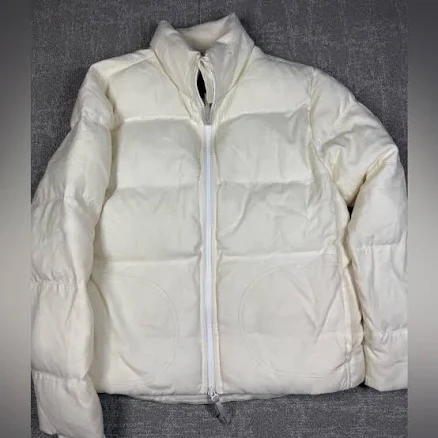
Jackets & Coats Allbirds Full Zip Wool Blend Puffer Jacket Women Size Small
- Wool blend with synthetic fill (likely polyester)
- We found no PFAS statement from the brand
- water-repellent coating (water-repellent coating) coating composition
3 hazards checked on this product. See all of them.
Allbirds
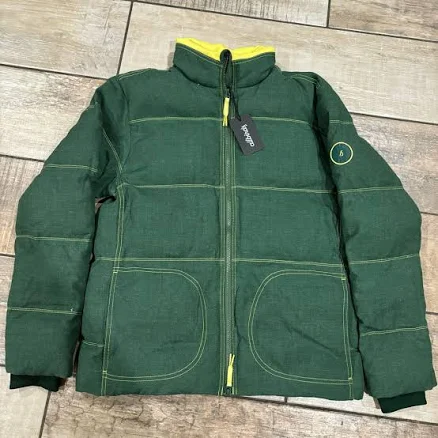
Jackets & Coats Allbirds Men's Trino Puffer Jacket Full Zip Wool Blend Forest Green Coat Size Sm
- wool blend (natural fiber dominant)
- We found no PFAS statement from the brand
- water-repellent coating (water-repellent coating) treatment - undisclosed chemistry
2 hazards checked on this product. See all of them.
Allbirds
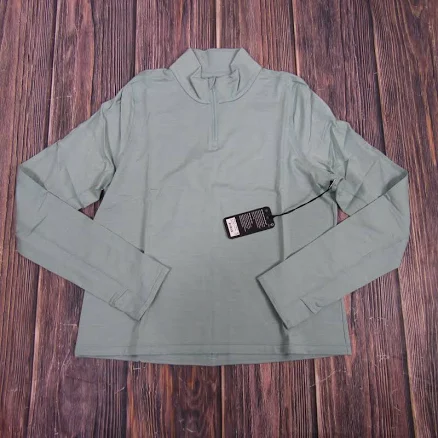
NWT Womens Medium Green Natural Run Mid Layer 1/4 Zip Jacket
- Merino wool blend (natural fiber)
- We found no PFAS statement from the brand
- Azo dyes and synthetic dye residue
3 hazards checked on this product. See all of them.
More ski & snowboard jackets grades
How we score, every product runs through the same public 0-100 rubric based on materials, coatings, brand disclosure, lab findings, and recalls. See the full methodology → Spotted a mistake? Report an error.