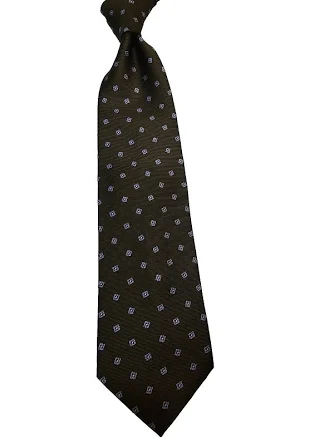
Brooks Brothers Stain Resistant Classic Woven Italian Silk Necktie
Skip until Brooks Brothers discloses stain-resistant treatment chemistry.
Brooks Brothers markets this tie as stain resistant but does not disclose what chemical finish achieves that property. Stain-resistant coatings commonly use PFAS.
The better-graded swap
Hermès
Metal en Vrac Twillbi Tie
85/100 safety
Same rubric that flunked this product. The swap earned Excellent.
Still want this one anyway? Check the price on Amazon. We’d swap it.
Material
Italian silk with unspecified stain-resistant finish
Brand disclosure
Brand is silent on PFAS
Lab data
No public lab test
You may also be interested in
Top-graded picks in the categories readers replace first, every one scored on the same rubric.

- polypropylene filter housing, carbon/sediment cartridge
- We found no PFAS statement from the brand
- Bacterial growth in spent cartridges
3 hazards checked on this product, all on its full breakdown.

Aquasure
Premier Series 75 GPD Under Sink Reverse Osmosis Water Filtration System
- RO membrane, carbon filters, stainless steel housing
- We found no PFAS statement from the brand
- Bacterial and microbial growth in housing and filters
4 hazards checked on this product, all on its full breakdown.

Avocado
Vegan Mattress
- organic cotton, natural latex, coconut coir, recycled steel coils
- The brand calls it PFAS-free, which we have not verified
- Heavy metals
2 hazards checked on this product, all on its full breakdown.
What Brooks Brothers Stain Silk Necktie is made of, ingredients and materials
This necktie is woven from Italian silk, a natural protein fiber that is inherently durable and does not off-gas volatile organic compounds the way synthetics do. The stain-resistant finish is the critical unknown, Brooks Brothers does not publicly disclose the chemistry of this treatment. Stain-resistant finishes on textiles are historically associated with fluorinated compounds (PFAS), though some modern alternatives exist. The finish's durability and longevity on silk depend heavily on washing frequency and method, which will determine how long chemical exposure from the coating persists.
What’s concerning
Category baseline
The starting point for this type of product, before anything specific to this product is counted.
Vague safety claims only
Uses vague language ("eco-friendly", "clean") without a specific PFAS statement.
Waterproof / stain-resistant treatment
Water-repellent coating treatments have historically used PFAS.
Undisclosed stain-resistant coating chemistry
Brooks Brothers does not disclose whether the stain-resistant finish is PFAS-based or an alternative chemistry. Fluorinated compounds are historically common in this application, but confirmation is unavailable from public sources.
Coating degradation and leaching during care
Dry cleaning and washing can degrade stain-resistant coatings over time, potentially increasing the release of finish chemicals into water and the wearer's environment. The rate of degradation depends on care frequency and solvent type used by dry cleaners.
What’s reassuring
Azo dyes in silk coloring
No recalls or public health warnings exist for azo dyes in Brooks Brothers silk neckties. Italian silk production typically meets EU dye standards, which restrict certain azo compounds, but specific confirmation for this product is not available.
Formaldehyde / VOCs
Formaldehyde is occasionally used in textile finishing; no formaldehyde-related incidents have been publicly reported for Brooks Brothers neckties, and silk does not require the fire-retardant resin treatments that raise formaldehyde risk in other textiles.
Source, ATSDR ↗Fragrance allergens from dyes or finishes
No documented fragrance allergen incidents for Brooks Brothers neckties exist. Fragrance allergens are more common in cosmetics and personal care products than in textile finishes, though residual dye fragrances can affect sensitive individuals.
How is this PFAS grade calculated?
The brand's record and disclosure
Brooks Brothers has not published detailed chemical disclosure policies for textile treatments or commitments to PFAS-free stain-resistant finishes. The brand is silent on whether this specific product uses PFAS-based or alternative chemistries. Brooks Brothers is a heritage apparel company without prominent certifications like Bluesign, GOTS, or Cradle-to-Cradle for this product line. The lack of transparency on stain-resistant treatment chemistry is the primary disclosure gap for this product.
How it compares in its category
Silk neckties are lower-risk than polyester or synthetic blends because silk itself does not shed microplastics and does not contain antimony or flame retardants. However, stain-resistant finishes are far more common on neckties marketed for business wear than on untreated alternatives. Many mid-to-premium necktie brands (including Brooks Brothers competitors) do not disclose stain-resistant chemistry, making this a category-wide transparency problem rather than a Brooks Brothers-specific outlier. Untreated or wax-sealed silk ties avoid this uncertainty entirely.
If you buy it
Dry clean only, as specified on the label; hand washing or machine washing will degrade the stain-resistant finish and potentially increase leaching of finish chemicals into rinse water. Do not use hot water or heat-based stain removal, as heat can alter synthetic finish coatings and increase volatilization. Replace the tie if the silk shows visible coating wear (loss of water beading, uneven sheen, or flaking), as degraded finishes may present higher chemical exposure. Limit the frequency of dry cleaning to extend the life of the finish and reduce cumulative chemical exposure from the solvent process.
What is not known about PFAS in this product?
- Basis
- Model estimate, 35% confidence, not a lab result
- Lab test
- None on record for this exact product
- Brand statement
- Brooks Brothers has made none
Formulations change between production runs, so check the current label. How we grade.
What are the PFAS-free alternatives to Brooks Brothers Stain Resistant Classic Woven Italian Silk Necktie?
- silk twill
- We found no PFAS statement from the brand
- Heavy metals
5 hazards checked on this product, all on its full breakdown.
- metal, twill textile blend
- We found no PFAS statement from the brand
- Metal hardware leaching (tie clip or bar)
2 hazards checked on this product, all on its full breakdown.
- Silk twill, 7cm width necktie
- We found no PFAS statement from the brand
- Dye migration or crocking during wear or washing
More neckties grades
How we score, every product runs through the same public 0-100 rubric based on materials, coatings, brand disclosure, lab findings, and recalls. See the full methodology → Spotted a mistake? Report an error.