· Neckties
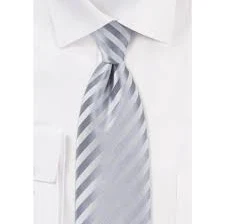
Stain Resistant Neckties - Solid Silver Tie
Skip until the brand discloses coating chemistry; stain resistance on textiles often indicates PFAS.
Stain-resistant neckties use proprietary water-repellent coating treatment, but the brand does not disclose whether the coating contains PFAS. Stain resistance on apparel historically signals PFAS use.
The better-graded swap
Hermès
H-mors Twillbi Tie 7cm
85/100 safety
Same rubric that flunked this product. The swap earned Excellent.
Still want this one anyway? Check the price on Amazon. We’d swap it.
Material
Polyester or silk blend with unspecified stain-resistant coating
Brand disclosure
Brand is silent on PFAS
Lab data
No public lab test
You may also be interested in
Top-graded picks in the categories readers replace first, every one scored on the same rubric.

- polypropylene filter housing, carbon/sediment cartridge
- We found no PFAS statement from the brand
- Bacterial growth in spent cartridges
3 hazards checked on this product, all on its full breakdown.

Aquasure
Premier Series 75 GPD Under Sink Reverse Osmosis Water Filtration System
- RO membrane, carbon filters, stainless steel housing
- We found no PFAS statement from the brand
- Bacterial and microbial growth in housing and filters
4 hazards checked on this product, all on its full breakdown.

Avocado
Vegan Mattress
- organic cotton, natural latex, coconut coir, recycled steel coils
- The brand calls it PFAS-free, which we have not verified
- Heavy metals
2 hazards checked on this product, all on its full breakdown.
What Stain Resistant Neckties Solid Silver Tie is made of, ingredients and materials
The brand markets this as a polyester or silk blend with an applied stain-resistant finish. The coating is the critical unknown, stain resistance on textiles typically relies on fluorochemical treatments (PFAS-family compounds) to repel water and oil, though non-fluorinated alternatives exist but are less common. The brand has not publicly disclosed whether their formulation uses PFAS, PFOAs, or newer PFAS replacements, making material risk assessment incomplete.
What’s concerning
Category baseline
The starting point for this type of product, before anything specific to this product is counted.
No PFAS disclosure
No public statement from the brand about PFAS in this product.
Waterproof / stain-resistant treatment
Water-repellent coating treatments have historically used PFAS.
PFAS
Stain-resistant finishes on textiles historically used PFAS compounds; The brand has not disclosed their coating chemistry, making PFAS presence probable but unconfirmed. This is graded separately in your PFAS assessment.
Source, ATSDR ↗Formaldehyde / VOCs
Polyester blends may contain trace formaldehyde from dye-fixing or wrinkle-resist resins applied during manufacturing. Neckties are not worn against large skin areas and are typically not in mouth contact, reducing inhalation or absorption risk compared to intimate apparel.
Source, ATSDR ↗Azo dyes in silver colorant
Silver dyes can include azo compounds that break down into aromatic amines under certain conditions (prolonged sweat, heat, or washing). Risk is low for occasional-wear neckwear but present if worn daily or in humid environments without washing.
Coating degradation and microparticle release
Stain-resistant coatings can flake or shed microparticles during wear, especially after washing or dry cleaning. The brand has not published durability or shedding data; risk is inhalation-low but ingestion-low for neckwear specifically.
What’s reassuring
Heavy metals
No recalls or reports of cadmium, lead, or other heavy metals in neckties. Silver dyes are typically organic or inorganic metal oxides not classified as hazardous for apparel use.
Source, FDA ↗How is this PFAS grade calculated?
The brand's record and disclosure
The brand is owned by Cone Denim and has no published commitment to PFAS phase-out or transparency on finishing chemistry. The brand does not list third-party certifications (Oeko-Tex, GOTS, etc.) for this product line that would typically flag or exclude PFAS. No major recalls or contamination incidents are on public record for neckties, but silence on stain-resist chemistry is itself a red flag in an industry where competitors increasingly disclose.
How it compares in its category
Most neckties use conventional polyester weaves without stain treatments, avoiding the PFAS question entirely. Premium silk ties often rely on natural fiber properties rather than chemical coating. The brand's explicit marketing of stain resistance places this product in a smaller, higher-chemical-input segment where PFAS use has been standard practice. Competitors with transparent non-PFAS or PFAS-free stain finishes are available but less marketed.
If you buy it
Hand wash or dry clean in cold water to minimize any potential leaching of coating compounds. Avoid high heat (no hot water, pressing at low temperature only) as elevated temperatures can accelerate breakdown of the finish and any associated chemical release. Replace when the tie shows visible wear, fading, or loss of water-repellency (typically 3-5 years of occasional use). Do not purchase if PFAS sensitivity is a priority; request disclosure from before committing.
What is not known about PFAS in this product?
- Basis
- Model estimate, 35% confidence, not a lab result
- Lab test
- None on record for this exact product
- Brand statement
- has made none
Formulations change between production runs, so check the current label. How we grade.
What are the PFAS-free alternatives to Stain Resistant Neckties - Solid Silver Tie?
- silk twill
- We found no PFAS statement from the brand
- Heavy metals
5 hazards checked on this product, all on its full breakdown.
- metal, twill textile blend
- We found no PFAS statement from the brand
- Metal hardware leaching (tie clip or bar)
2 hazards checked on this product, all on its full breakdown.
- Silk twill, 7cm width necktie
- We found no PFAS statement from the brand
- Dye migration or crocking during wear or washing
More neckties grades
How we score, every product runs through the same public 0-100 rubric based on materials, coatings, brand disclosure, lab findings, and recalls. See the full methodology → Spotted a mistake? Report an error.