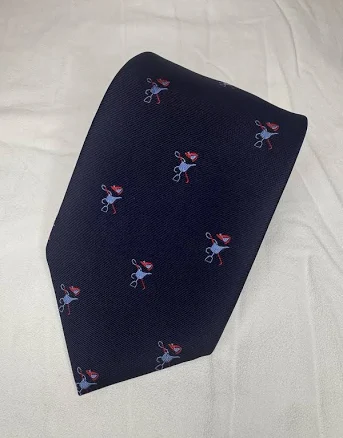
Brooks Brothers Stain Resistant Necktie Silk Blue Polo Horse
Skip until Brooks Brothers discloses stain-treatment chemistry; PFAS risk remains unclear.
This necktie carries a stain-resistant finish, a common PFAS indicator, but Brooks Brothers does not disclose the coating's chemical composition. The unnamed treatment creates uncertainty.
The better-graded swap
Hermès
Mobilité Douce Twillbi Tie 7cm
85/100 safety
Same rubric that flunked this product. The swap earned Excellent.
Still want this one anyway? Check the price on Amazon. We’d swap it.
Material
Silk with stain-resistant treatment (composition unspecified)
Brand disclosure
Brand is silent on PFAS
Lab data
No public lab test
You may also be interested in
Top-graded picks in the categories readers replace first, every one scored on the same rubric.

- polypropylene filter housing, carbon/sediment cartridge
- We found no PFAS statement from the brand
- Bacterial growth in spent cartridges
3 hazards checked on this product, all on its full breakdown.

Aquasure
Premier Series 75 GPD Under Sink Reverse Osmosis Water Filtration System
- RO membrane, carbon filters, stainless steel housing
- We found no PFAS statement from the brand
- Bacterial and microbial growth in housing and filters
4 hazards checked on this product, all on its full breakdown.

Avocado
Vegan Mattress
- organic cotton, natural latex, coconut coir, recycled steel coils
- The brand calls it PFAS-free, which we have not verified
- Heavy metals
2 hazards checked on this product, all on its full breakdown.
What Brooks Brothers Stain Blue Polo Horse is made of, ingredients and materials
This necktie is silk with an applied stain-resistant treatment, but Brooks Brothers does not publicly specify the chemistry of that finish. Silk fiber itself is a natural protein and carries minimal inherent toxicity risk. The hazard depends entirely on what stain-resistant agent was used, some formulations contain PFAS (fluorocarbons), others use silicone-based or hydrocarbon coatings, and some older treatments used formaldehyde-releasing resins. Without disclosure, the actual risk profile cannot be determined.
What’s concerning
Category baseline
The starting point for this type of product, before anything specific to this product is counted.
Vague safety claims only
Uses vague language ("eco-friendly", "clean") without a specific PFAS statement.
Waterproof / stain-resistant treatment
Water-repellent coating treatments have historically used PFAS.
Formaldehyde / VOCs
Some silk finishing processes use formaldehyde-based resins for water and stain resistance. Brooks Brothers does not disclose whether this finish contains formaldehyde donors. Risk is low for neckwear (limited skin contact, worn away from face and mouth), but off-gassing during washing or storage could occur if present.
Source, ATSDR ↗Volatile organic compounds (VOCs) from finish or dyes
Applied stain-resistant and water-repellent finishes can off-gas organic compounds, particularly if solvent-based. New neckties may have a chemical odor that fades with airing. Without finish chemistry disclosure, the extent and safety profile of any VOC emissions cannot be assessed. Ventilation during initial storage and gentle washing before first wear may reduce exposure.
PFAS
Stain-resistant finishes on textiles commonly use PFAS compounds. This product has already received a Poor (25/100) PFAS safety grade due to undisclosed finish chemistry. Brooks Brothers' silence on whether this tie uses PFAS or alternatives is the primary driver of the overall caution recommendation.
Source, ATSDR ↗What’s reassuring
Heavy metals
No recalls or public reports of heavy metal contamination in Brooks Brothers neckties. Silk dyeing can historically involve heavy metals (lead, cadmium), but modern producers typically use synthetic dyes with lower heavy metal concern. Blue polo-print dyes are standard and carry minimal documented risk, though Brooks Brothers has not published dyestuff testing data.
Source, FDA ↗Contact dermatitis from finish or dyes
No documented allergic reactions specific to this product. Silk is inherently hypoallergenic. Risk would arise if the stain-resistant finish or dyes include known irritants or sensitizers (e.g., azo dyes, reactive dyes without proper fixation). Limited skin contact from neckwear reduces probability of dermatological impact.
How is this PFAS grade calculated?
The brand's record and disclosure
Brooks Brothers does not publish detailed material safety information or chemical composition for its neckties on product pages or sustainability reports. The brand has not issued public commitments to PFAS-free treatments or disclosed testing results for stain-resistant finishes. This silence is a significant gap in transparency; many competing heritage brands (e.g., luxury Italian producers) now disclose finish chemistry or certify PFAS-free status. Brooks Brothers' lack of engagement on this issue is a material concern for consumers seeking alternatives with lower concern.
How it compares in its category
Most contemporary neckties use stain-resistant finishes; untreated silk ties are less common at mainstream price points. Brooks Brothers sits in the premium segment where competitors increasingly offer PFAS-free or explicitly safer finishes (e.g., Hermès, Drake's). This product offers no stated sustainability or safety advantage over alternatives. Buyers prioritizing chemical transparency will find clearer-labeling options from brands that test and disclose their treatments.
If you buy it
Wash gently in cool water or dry-clean; heat during cleaning or pressing should be moderate to avoid degradation or off-gassing of any finish residues. Neckties see limited contact with skin and are worn away from the face, so direct exposure risk is low compared to apparel in contact with larger skin areas. The primary exposure route would be during laundering (water contact, inhalation of any volatile components). Storage in a well-ventilated drawer is advisable; sealed plastic bags may concentrate any volatile emissions. Replace if the tie becomes stiff, discolored, or emits an unusual chemical odor, which could signal finish degradation.
What is not known about PFAS in this product?
- Basis
- Model estimate, 42% confidence, not a lab result
- Lab test
- None on record for this exact product
- Brand statement
- Brooks Brothers has made none
Formulations change between production runs, so check the current label. How we grade.
What are the PFAS-free alternatives to Brooks Brothers Stain Resistant Necktie Silk Blue Polo Horse?
- silk twill
- We found no PFAS statement from the brand
- Heavy metals
5 hazards checked on this product, all on its full breakdown.
- metal, twill textile blend
- We found no PFAS statement from the brand
- Metal hardware leaching (tie clip or bar)
2 hazards checked on this product, all on its full breakdown.
- Silk twill, 7cm width necktie
- We found no PFAS statement from the brand
- Dye migration or crocking during wear or washing
More neckties grades
How we score, every product runs through the same public 0-100 rubric based on materials, coatings, brand disclosure, lab findings, and recalls. See the full methodology → Spotted a mistake? Report an error.