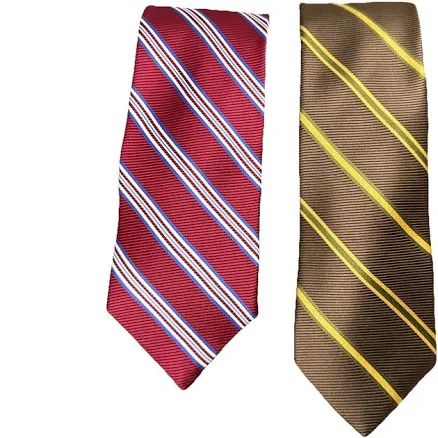
Brooks Brothers Stain Resistant Repp Neck Ties Lot Of 2 Silk Made In
Skip or ask Brooks Brothers directly about the stain treatment chemistry.
Brooks Brothers does not disclose what chemical finish creates stain resistance on these silk ties. Stain-resistant textile treatments have historically relied on PFAS.
The better-graded swap
Hermès
H-mors Twillbi Tie 7cm
85/100 safety
Same rubric that flunked this product. The swap earned Excellent.
Still want this one anyway? Check the price on Amazon. We’d swap it.
Material
silk with stain-resistant finish (composition unspecified)
Brand disclosure
Brand is silent on PFAS
Lab data
No public lab test
You may also be interested in
Top-graded picks in the categories readers replace first, every one scored on the same rubric.

- polypropylene filter housing, carbon/sediment cartridge
- We found no PFAS statement from the brand
- Bacterial growth in spent cartridges
3 hazards checked on this product, all on its full breakdown.

Aquasure
Premier Series 75 GPD Under Sink Reverse Osmosis Water Filtration System
- RO membrane, carbon filters, stainless steel housing
- We found no PFAS statement from the brand
- Bacterial and microbial growth in housing and filters
4 hazards checked on this product, all on its full breakdown.

Avocado
Vegan Mattress
- organic cotton, natural latex, coconut coir, recycled steel coils
- The brand calls it PFAS-free, which we have not verified
- Heavy metals
2 hazards checked on this product, all on its full breakdown.
What Brooks Brothers Stain Resistant Silk Made is made of, ingredients and materials
These are silk neckties finished with an unspecified stain-resistant coating. Silk itself is a protein fiber with low inherent toxicity, but the stain-resistant treatment chemistry is the critical unknown here. Brooks Brothers does not publicly disclose the active chemical in this finish, which matters because many durable water and stain repellents historically relied on PFAS compounds (fluorocarbons) that bioaccumulate. Without ingredient transparency, you cannot assess whether this tie uses legacy PFAS, newer non-fluorinated alternatives, or something in between.
What’s concerning
Category baseline
The starting point for this type of product, before anything specific to this product is counted.
No PFAS disclosure
No public statement from the brand about PFAS in this product.
Stain-resistant finish
Stain-resistant finishes are a common PFAS use.
PFAS
The stain-resistant treatment is undisclosed. Many textile finishes of this type historically contained perfluorinated compounds (C8 or C6 PFAS), though some manufacturers have transitioned to non-fluorinated alternatives. No test data or public statement from Brooks Brothers confirms which chemistry is used here.
Source, ATSDR ↗Coating degradation and particle shedding
Stain-resistant coatings on silk can degrade with repeated dry cleaning or washing, potentially releasing finish particles. This is a minor concern for a necktie (low-contact item) but worth monitoring if the finish visibly flakes or peels after cleaning.
What’s reassuring
Formaldehyde / VOCs
Silk dyeing and finishing can involve formaldehyde-based resins as dye fixatives or wrinkle-resistance agents. No recalls or documented contamination have been reported for Brooks Brothers silk neckties, but ingredient disclosure would clarify this.
Source, ATSDR ↗Azo dyes or toxic colorants
Silk neckties are typically dyed with acid dyes or reactive dyes; azo dyes that release carcinogenic amines are less common in premium silk products. Brooks Brothers' long manufacturing history and quality reputation suggest compliance with standard dyeing safety, but independent certification is absent.
Heavy metals
Premium silk textiles occasionally contain trace metals (e.g., chromium, nickel) from dyes or mordants. No testing or recalls specific to Brooks Brothers neckties have been reported. Skin contact risk from a necktie is minimal compared to clothing in direct contact with skin.
Source, FDA ↗How is this PFAS grade calculated?
The brand's record and disclosure
Brooks Brothers maintains a largely silent stance on textile treatment chemicals and PFAS in their product line. The brand has not published detailed material safety data sheets or third-party certifications (such as OEKO-TEX or GOTS) for standard neckties. This absence of proactive disclosure is typical for heritage menswear brands but leaves consumers without verifiable safety claims about finishing agents. No major recalls or contamination incidents specific to Brooks Brothers neckties have been widely reported.
How it compares in its category
Silk neckties with stain-resistant finishes are common in the premium segment, and most brands (including Brooks Brothers) do not disclose their treatment chemicals. Budget alternatives often use polyester blends without stain finishes, eliminating this particular hazard. High-transparency brands (e.g.some European silk makers increasingly offer stain treatments without intentional PFAS additions or untreated silk, making them more traceable alternatives. Brooks Brothers' mid-to-premium positioning and opacity on chemistry places it in the middle of the disclosure spectrum.
If you buy it
Contact Brooks Brothers directly and request the name of the stain-resistant chemical or finish applied to this product before purchase. Standard silk necktie care (dry cleaning or gentle hand washing in cool water with mild detergent) does not trigger chemical release, but heat exposure is not typical for neckties. Store in a cool, dry place away from direct sunlight to preserve the silk and any finish. If Brooks Brothers cannot or will not disclose the treatment, consider this a sign to explore brands with transparent ingredient labeling.
What is not known about PFAS in this product?
- Basis
- Model estimate, 42% confidence, not a lab result
- Lab test
- None on record for this exact product
- Brand statement
- Brooks Brothers has made none
Formulations change between production runs, so check the current label. How we grade.
What are the PFAS-free alternatives to Brooks Brothers Stain Resistant Repp Neck Ties Lot Of 2 Silk Made In?
- silk twill
- We found no PFAS statement from the brand
- Heavy metals
5 hazards checked on this product, all on its full breakdown.
- metal, twill textile blend
- We found no PFAS statement from the brand
- Metal hardware leaching (tie clip or bar)
2 hazards checked on this product, all on its full breakdown.
- Silk twill, 7cm width necktie
- We found no PFAS statement from the brand
- Dye migration or crocking during wear or washing
More neckties grades
How we score, every product runs through the same public 0-100 rubric based on materials, coatings, brand disclosure, lab findings, and recalls. See the full methodology → Spotted a mistake? Report an error.