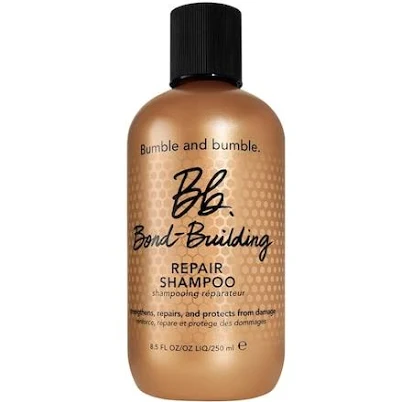
Bumble and Bumble Bond Building Repair Shampoo
Low-medium concern; no known PFAS triggers, but brand does not disclose formulation details.
This rinse-off liquid cosmetic lacks surfactant treatments, waterproofing, or nonstick coatings that typically require PFAS. Bumble and bumble does not claim PFAS-free status or detail ingredients, leaving some formulation questions unanswered.
We flunk more products than we pass. This one earned its grade. How we grade
Material
aqueous shampoo with conditioning polymers
Brand disclosure
Brand is silent on PFAS
Lab data
No public lab test
You may also be interested in
Top-graded picks in the categories readers replace first, every one scored on the same rubric.

- polypropylene filter housing, carbon/sediment cartridge
- We found no PFAS statement from the brand
- Bacterial growth in spent cartridges
3 hazards checked on this product, all on its full breakdown.

Aquasure
Premier Series 75 GPD Under Sink Reverse Osmosis Water Filtration System
- RO membrane, carbon filters, stainless steel housing
- We found no PFAS statement from the brand
- Bacterial and microbial growth in housing and filters
4 hazards checked on this product, all on its full breakdown.

Avocado
Vegan Mattress
- organic cotton, natural latex, coconut coir, recycled steel coils
- The brand calls it PFAS-free, which we have not verified
- Heavy metals
2 hazards checked on this product, all on its full breakdown.
What Bumble and Bumble Bond Repair Shampoo is made of, ingredients and materials
This is a water-based shampoo formulated with conditioning polymers (likely acrylates or cellulose derivatives) designed to repair and strengthen hair bonds. Aqueous shampoos are inherently lower-risk than powder or solvent-based alternatives because they lack volatile organic compounds and heating-driven release pathways. The 'bond-building' claim refers to chemical conditioning agents that coat and temporarily crosslink hair cuticles, not systemic absorption hazards.
What’s concerning
Category baseline
The starting point for this type of product, before anything specific to this product is counted.
No PFAS disclosure
No public statement from the brand about PFAS in this product.
Fragrance allergens and undisclosed ingredients
Bumble and bumble does not list fragrance components; common shampoo fragrances (limonene, linalool, eugenol) can trigger contact dermatitis in sensitive individuals. Without full disclosure, individual risk cannot be quantified.
Formaldehyde / VOCs
Many shampoos use DMDM hydantoin, imidazolidinyl urea, or diazolidinyl urea as preservatives; these release trace formaldehyde. Bumble and bumble formulation is not publicly available, so presence is unconfirmed.
Source, ATSDR ↗Scalp sensitivity or irritation from polymer overload
High-molecular-weight conditioning polymers can accumulate on scalp with repeated use and cause itching or flaking in susceptible users. This is not a systemic hazard but a cosmetic-tolerance issue; clarifying shampoo use every 1-2 weeks mitigates buildup.
What’s reassuring
Base material not linked to PFAS
The main material recorded for this product is not one associated with PFAS.
1,4-dioxane contamination (manufacturing byproduct)
No specific testing or recalls reported for this product. Conditioning polymers used in shampoos are low-risk sources, but brand does not publish independent dioxane testing.
Heavy metals
No recalls or regulatory findings on record. Luxury shampoos typically avoid lead or cadmium in pigments, but Bumble and bumble does not publicly verify this.
Source, FDA ↗How is this PFAS grade calculated?
The brand's record and disclosure
Bumble and bumble does not publish full ingredient decks or third-party certifications (e.g., EWG, Clean Beauty Project). The brand maintains silent stance on PFAS, fragrance sourcing, and heavy metal testing in pigments or colorants. No product recalls or regulatory actions are on record for this specific shampoo. Parent company Estee Lauder has faced scrutiny over fragrance transparency but not safety violations in hair care.
How it compares in its category
Repair shampoos in the luxury segment typically include polymeric film-formers and silicones; this product aligns with industry norms. Bumble and bumble's pricing and positioning suggest stricter raw material vetting than mass-market alternatives, though certification gaps make direct comparison difficult. Most professional salon shampoos at this price point lack public heavy-metal or formaldehyde-releaser testing data.
If you buy it
Use as directed (wet hair, lather, rinse thoroughly). No heat exposure required during application, so thermal degradation is not a concern. Store at room temperature away from sunlight to prevent polymer settling or separation. Discontinue if scalp irritation or unexplained hair breakage occurs and switch to fragrance-free or hypoallergenic alternatives to isolate cause.
What is not known about PFAS in this product?
- Basis
- Model estimate, 72% confidence, not a lab result
- Lab test
- None on record for this exact product
- Brand statement
- Bumble and bumble has made none
Formulations change between production runs, so check the current label. How we grade.
More shampoo grades
How we score, every product runs through the same public 0-100 rubric based on materials, coatings, brand disclosure, lab findings, and recalls. See the full methodology → Spotted a mistake? Report an error.