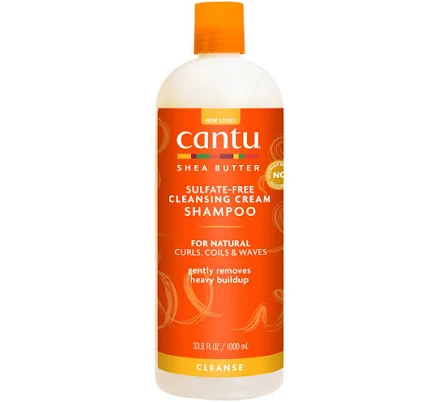
Cantu Sulfate Free Cleansing Cream Shampoo
Lower concern, rinse-off shampoo with no water-repellency need typical of PFAS use.
This water-based rinse-off cosmetic has no disclosed PFAS treatment or waterproofing claims and minimal structural need for PFAS compared to water-resistant products. No public lab data or recalls flag concern.
We flunk more products than we pass. This one earned its grade. How we grade
Material
water-based shampoo liquid (aqueous cleansing formulation)
Brand disclosure
Brand is silent on PFAS
Lab data
No public lab test
You may also be interested in
Top-graded picks in the categories readers replace first, every one scored on the same rubric.

- polypropylene filter housing, carbon/sediment cartridge
- We found no PFAS statement from the brand
- Bacterial growth in spent cartridges
3 hazards checked on this product, all on its full breakdown.

Aquasure
Premier Series 75 GPD Under Sink Reverse Osmosis Water Filtration System
- RO membrane, carbon filters, stainless steel housing
- We found no PFAS statement from the brand
- Bacterial and microbial growth in housing and filters
4 hazards checked on this product, all on its full breakdown.

Avocado
Vegan Mattress
- organic cotton, natural latex, coconut coir, recycled steel coils
- The brand calls it PFAS-free, which we have not verified
- Heavy metals
2 hazards checked on this product, all on its full breakdown.
What Cantu Sulfate Free Cleansing Cream Shampoo is made of, ingredients and materials
Cantu Sulfate Free Cleansing Cream Shampoo is a water-based liquid formulation marketed without sulfates, meaning it omits sodium lauryl sulfate (SLS) and similar harsh anionic surfactants. The creamy texture typically comes from conditioning agents like shea butter, coconut oil, or glycerin rather than silicones, which makes it gentler on curly and textured hair. As a rinse-off product, any chemical components are intended for brief skin and scalp contact and prompt removal, reducing dermal absorption risk compared to leave-on products.
What’s concerning
Category baseline
The starting point for this type of product, before anything specific to this product is counted.
No PFAS disclosure
No public statement from the brand about PFAS in this product.
Fragrance allergens (undisclosed components)
Like most mainstream shampoos, Cantu uses fragrance blends listed only as 'fragrance' or 'parfum' on the label. Individual components (limonene, linalool, eugenol, etc.) are not itemized, so consumers with known sensitivities cannot easily identify triggering molecules. Risk is low for brief scalp contact but may increase with pre-existing dermatitis or scalp sensitivity.
1,4-dioxane (byproduct contamination)
Water-based shampoos using ethoxylated surfactants or emulsifiers may contain trace 1,4-dioxane as a manufacturing byproduct. Cantu does not disclose third-party testing for this contaminant. Rinse-off use and brief exposure limit absorption risk, but sensitive scalps or frequent use could present low cumulative concern if levels are present.
Microbial or mold growth in creamy formulation
Cream-based shampoos with water and oil emulsions can support bacterial or mold growth if the bottle is left open, contaminated, or stored in warm, humid bathrooms. This is a use and storage issue rather than a manufacturing defect, but risk increases with improper handling or extended bottle storage.
What’s reassuring
Base material not linked to PFAS
The main material recorded for this product is not one associated with PFAS.
Formaldehyde / VOCs
Cantu Sulfate Free Cleansing Cream lists no known formaldehyde releasers (e.g., DMDM hydantoin, imidazolidinyl urea) in publicly available ingredient databases. No recalls or safety alerts on record for this concern. Standard regulatory monitoring by the FDA covers this hazard class.
Source, ATSDR ↗Heavy metals
No publicly documented recalls or testing reports indicate heavy metal contamination in Cantu formulations. Mainstream US shampoos are subject to FDA ingredient bans and CIR (Cosmetic Ingredient Review) restrictions; synthetic colorants used in rinse-off products are generally well-regulated.
Source, FDA ↗How is this PFAS grade calculated?
The brand's record and disclosure
Cantu is owned by Unilever and markets heavily toward textured and curly hair consumers. The brand does not publicly highlight third-party certifications (e.g., EWG Verified, Cruelty Free Bunny) on this specific product, and makes no explicit commitments regarding 1,4-dioxane removal or fragrance transparency. No major product recalls or safety controversies have been widely documented for this shampoo line. Brand transparency on ingredient sourcing and manufacturing controls is limited to marketing claims rather than detailed disclosure statements.
How it compares in its category
This product sits in the mainstream sulfate-free shampoo market, competing alongside SheaMoisture, Carol's Daughter, and store-brand sulfate-free lines. It is less stringent than salon or professional-grade sulfate-free products (which often carry third-party testing or certifications) but broadly aligned with drugstore formulations in terms of regulatory compliance and ingredient safety standards. The creamy, conditioning focus is typical for curl-care products and does not introduce unusual chemical hazards relative to this segment.
If you buy it
Use as directed, wet hair, apply a quarter-sized amount, lather gently, and rinse thoroughly with water. Do not leave product on scalp for extended periods; rinse-off products are formulated for contact times under 5 minutes. Store in a cool, dry place and keep the cap tightly sealed to prevent bacterial or mold growth in the creamy formulation. Discard if visible discoloration, separation, or odor change occurs, typically within 12-18 months of opening.
What is not known about PFAS in this product?
- Basis
- Model estimate, 78% confidence, not a lab result
- Lab test
- None on record for this exact product
- Brand statement
- Cantu has made none
Formulations change between production runs, so check the current label. How we grade.
More shampoo grades
How we score, every product runs through the same public 0-100 rubric based on materials, coatings, brand disclosure, lab findings, and recalls. See the full methodology → Spotted a mistake? Report an error.