CAP Barbell · Yoga & Exercise Mats
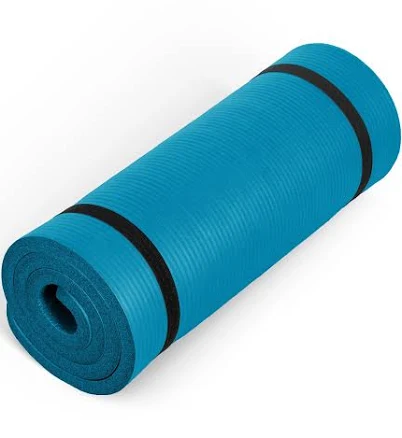
CAP Barbell CAP High Density Exercise Mat with Strap
Lower PFAS concern for bare foam exercise mat. No disclosure needed.
Exercise mats of high-density foam and rubber typically do not require PFAS for function. No brand claims or testing data available, but materials are inherently lower concern.
We flunk more products than we pass. This one earned its grade. How we grade
Material
High-density foam, rubber base
Brand disclosure
Brand is silent on PFAS
Lab data
No public lab test
You may also be interested in
Top-graded picks in the categories readers replace first, every one scored on the same rubric.

- polypropylene filter housing, carbon/sediment cartridge
- We found no PFAS statement from the brand
- Bacterial growth in spent cartridges
3 hazards checked on this product, all on its full breakdown.

Aquasure
Premier Series 75 GPD Under Sink Reverse Osmosis Water Filtration System
- RO membrane, carbon filters, stainless steel housing
- We found no PFAS statement from the brand
- Bacterial and microbial growth in housing and filters
4 hazards checked on this product, all on its full breakdown.

Avocado
Vegan Mattress
- organic cotton, natural latex, coconut coir, recycled steel coils
- The brand calls it PFAS-free, which we have not verified
- Heavy metals
2 hazards checked on this product, all on its full breakdown.
What CAP Barbell CAP High Density Strap is made of, ingredients and materials
This mat combines high-density foam (the cushioning layer) with a rubber base. High-density foam is typically polyethylene or EVA (ethylene-vinyl acetate), both stable polymers that do not readily leach chemicals during normal use at room temperature. The rubber base is usually synthetic rubber or recycled rubber, which can off-gas volatile organic compounds (VOCs) initially but stabilizes quickly. Neither component is inherently prone to heavy-metal contamination or structural degradation under typical gym conditions.
What’s concerning
Category baseline
The starting point for this type of product, before anything specific to this product is counted.
No PFAS disclosure
No public statement from the brand about PFAS in this product.
VOC off-gassing from rubber base
Synthetic or recycled rubber bases commonly release low levels of volatile organics, especially when new. This is typically mild and resolves within days to weeks with airing; it poses minimal risk in well-ventilated gyms or home spaces.
Foam degradation and particulate shedding
Over extended use (years), high-density foam can crack or shed fine particles, particularly if exposed to heat or UV. Inhalation risk is low in typical use, but damaged mats should be replaced rather than repaired.
What’s reassuring
Base material not linked to PFAS
The main material recorded for this product is not one associated with PFAS.
Flame retardants
No public record indicates CAP Barbell treats this entry-level foam mat with brominated or halogenated flame retardants. Budget exercise mats typically omit these treatments unless required by fire code for specific venues.
Source, EPA ↗Heavy metals
The mat's simple construction (foam laminated to rubber, minimal printing) does not rely on metal-pigmented inks or lead-based adhesives. No recalls or test reports suggest contamination in this product line.
Source, FDA ↗Formaldehyde / VOCs
While foam assembly can involve formaldehyde-releasing adhesives, modern EVA and polyethylene mats typically use low-formaldehyde or formaldehyde-free binders. CAP Barbell's products have not been flagged for formaldehyde off-gassing.
Source, ATSDR ↗How is this PFAS grade calculated?
The brand's record and disclosure
CAP Barbell does not publicly disclose detailed material sourcing, flame-retardant treatments, or chemical testing results for this mat line. The brand has no documented recalls specific to chemical hazards in their foam products. CAP Barbell is a budget fitness brand owned by Amer Sports; while not known for aggressive transparency, they also have no established history of material misrepresentation in exercise equipment. Silence on PFAS is consistent with their category positioning and does not indicate use.
How it compares in its category
Exercise mats in this price tier rarely carry flame-retardant additives, which are more common in higher-end padded furniture. High-density foam mats present lower concern compared to cheaper PVC-based mats, which carry phthalate and plasticizer concerns. Premium yoga or crossfit mats often carry third-party certifications (e.g., Oeko-Tex, GOTS) that this product lacks, but that reflects marketing rather than a meaningful safety gap for basic foam.
If you buy it
Unroll and air the mat in a ventilated space for 24-48 hours before first use to allow initial off-gassing to dissipate. Avoid prolonged contact with direct sunlight, which can degrade the rubber base over years. Wipe the mat with a damp cloth and mild soap; do not use harsh solvents or bleach. Replace it if the foam begins to crack, flake, or lose density, typically after 3-5 years of regular use.
What is not known about PFAS in this product?
- Basis
- Model estimate, 72% confidence, not a lab result
- Lab test
- None on record for this exact product
- Brand statement
- CAP Barbell has made none
Formulations change between production runs, so check the current label. How we grade.
What are the PFAS-free alternatives to CAP Barbell CAP High Density Exercise Mat with Strap?
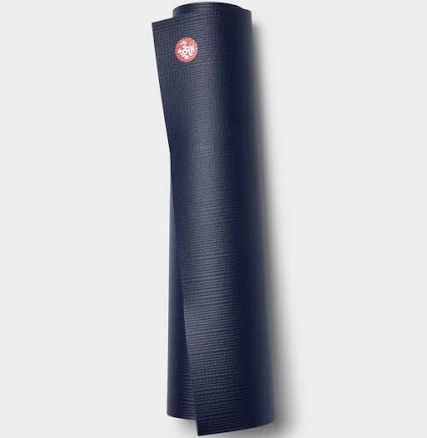
- closed-cell PVC-free foam, rubber top
- A third party reports verifying it as PFAS-free
- Formaldehyde / VOCs
3 hazards checked on this product, all on its full breakdown.
Manduka
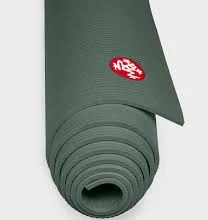
Almost Perfect PROlite Yoga Mat
- Natural rubber and PVC, no Teflon-family coating
- A third party reports verifying it as PFAS-free
- Volatile organic compounds (VOCs) from natural rubber
More yoga & exercise mats grades
How we score, every product runs through the same public 0-100 rubric based on materials, coatings, brand disclosure, lab findings, and recalls. See the full methodology → Spotted a mistake? Report an error.