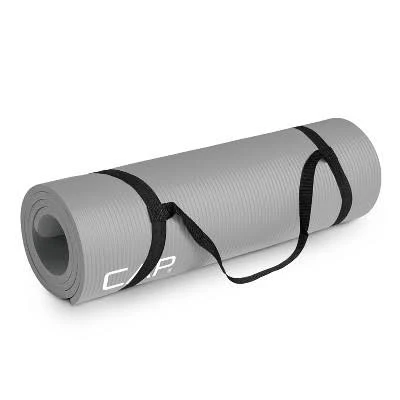
CAP Barbell · Yoga & Exercise Mats
CAP Barbell High Density Exercise Yoga Mat with Strap
Lower concern. Yoga mats rarely require PFAS treatments.
CAP Barbell yoga mats use synthetic rubber without disclosed PFAS-prone features like water repellency or nonstick coatings. No brand PFAS claim or third-party verification available.
We flunk more products than we pass. This one earned its grade. How we grade
Material
NBR rubber, PVC, or similar synthetic rubber base
Brand disclosure
Brand is silent on PFAS
Lab data
No public lab test
You may also be interested in
Top-graded picks in the categories readers replace first, every one scored on the same rubric.

- polypropylene filter housing, carbon/sediment cartridge
- We found no PFAS statement from the brand
- Bacterial growth in spent cartridges
3 hazards checked on this product, all on its full breakdown.

Aquasure
Premier Series 75 GPD Under Sink Reverse Osmosis Water Filtration System
- RO membrane, carbon filters, stainless steel housing
- We found no PFAS statement from the brand
- Bacterial and microbial growth in housing and filters
4 hazards checked on this product, all on its full breakdown.

Avocado
Vegan Mattress
- organic cotton, natural latex, coconut coir, recycled steel coils
- The brand calls it PFAS-free, which we have not verified
- Heavy metals
2 hazards checked on this product, all on its full breakdown.
What CAP Barbell High Density Exercise Strap is made of, ingredients and materials
CAP Barbell yoga mats are typically constructed from NBR (nitrile butadiene rubber) or similar synthetic rubber compounds bonded to a fabric or foam backing. NBR is a closed-cell elastomer chosen for durability and water resistance rather than natural latex, which reduces allergen risk for latex-sensitive users. The PVC or synthetic rubber base does not inherently require flame retardant additives, and the mat's density (high-density formulation) suggests a tighter cellular structure that resists compression and typically requires fewer chemical stabilizers than lower-density alternatives.
What’s concerning
Category baseline
The starting point for this type of product, before anything specific to this product is counted.
No PFAS disclosure
No public statement from the brand about PFAS in this product.
Volatile organic compounds (VOCs) and manufacturing residues
Synthetic rubber mats commonly emit trace levels of VOCs during initial use, particularly in poorly ventilated spaces. This is a temporary exposure typical of the product category and not unique to CAP Barbell; proper airing on delivery resolves most concerns within 48 hours.
Rubber degradation and stabilizer leaching over time
All synthetic rubber products can gradually release processing stabilizers (zinc, phosphorus compounds, or antioxidants) if exposed to repeated heat, UV light, or abrasion. This process accelerates after 2-3 years; regular cleaning and storage in cool, dry conditions minimize exposure. Skin contact with a degrading mat is low-risk under normal use, but replacement is advisable when visible deterio
What’s reassuring
Base material not linked to PFAS
The main material recorded for this product is not one associated with PFAS.
Heavy metals
No documented contamination of CAP Barbell yoga mats with lead, cadmium, or other heavy metals has been reported. The closed-cell rubber construction and neutral color formulations (typically black or gray) suggest minimal use of pigment additives that could introduce heavy-metal contaminants, though third-party verification is not publicly available.
Source, FDA ↗Flame retardants
Yoga mats are not typically treated with flame retardants by regulation or common practice in the fitness category. NBR rubber compounds are inherently low-flammability materials, reducing the need for additive flame treatments.
Source, EPA ↗Antimony in polyester blends (if backing fabric present)
CAP Barbell mats typically use NBR rubber with woven or knit fabric backing; publicly available product specs do not indicate antimony-catalyzed polyester. Traditional cotton or polypropylene blends are more common in this segment, though CAP Barbell does not routinely disclose fiber composition.
How is this PFAS grade calculated?
The brand's record and disclosure
CAP Barbell is a mainstream fitness equipment manufacturer owned by Ivanko Barbell and widely distributed through Amazon and retail chains. The brand does not publish detailed material safety data sheets or third-party certifications (such as Oeko-Tex, SGS, or similar) for yoga mats on publicly available sources. No significant product recalls or contamination incidents specific to CAP Barbell yoga mats have been documented in public safety databases or consumer reports. The company maintains a silent stance on PFAS and most chemical disclosures, consistent with many mid-tier fitness equipment makers.
How it compares in its category
CAP Barbell mats occupy the budget-to-mid-range segment; they are comparable in material composition to Gaiam, Sunny Health & Fitness, and store-brand yoga mats, most of which use NBR or PVC. Unlike premium brands (Manduka, Liforme, Jade), CAP Barbell does not advertise third-party VOC or heavy-metal testing or eco-certifications. In practical durability, NBR mats from this tier typically last 1-3 years with regular use before surface degradation becomes noticeable; the included carrying strap is a standard feature that adds minimal material hazard but reflects typical consumer expectations.
If you buy it
Air the mat in a well-ventilated space for 24-48 hours after unpacking to allow any residual volatile organic compounds (VOCs) from manufacturing or packaging to dissipate; this odor typically fades quickly and is not a sign of acute toxicity. Clean regularly with mild soap and water; avoid prolonged exposure to direct sunlight or high heat (above 140F/60C), which can accelerate rubber degradation and increase leaching of stabilizers. Do not use the mat in direct contact with food preparation surfaces. Replace when the surface becomes sticky, develops permanent indentations, or shows visible cracking or peeling, typically after 2-4 years of regular use.
What is not known about PFAS in this product?
- Basis
- Model estimate, 72% confidence, not a lab result
- Lab test
- None on record for this exact product
- Brand statement
- CAP Barbell has made none
Formulations change between production runs, so check the current label. How we grade.
What are the PFAS-free alternatives to CAP Barbell High Density Exercise Yoga Mat with Strap?
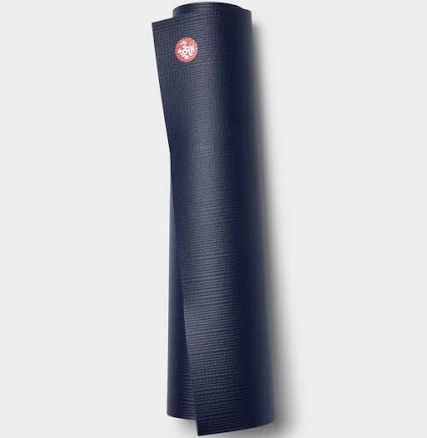
- closed-cell PVC-free foam, rubber top
- A third party reports verifying it as PFAS-free
- Formaldehyde / VOCs
3 hazards checked on this product, all on its full breakdown.
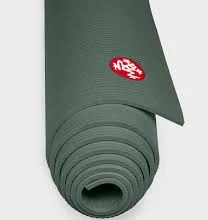
Manduka
Almost Perfect PROlite Yoga Mat
- Natural rubber and PVC, no Teflon-family coating
- A third party reports verifying it as PFAS-free
- Volatile organic compounds (VOCs) from natural rubber
More yoga & exercise mats grades
How we score, every product runs through the same public 0-100 rubric based on materials, coatings, brand disclosure, lab findings, and recalls. See the full methodology → Spotted a mistake? Report an error.