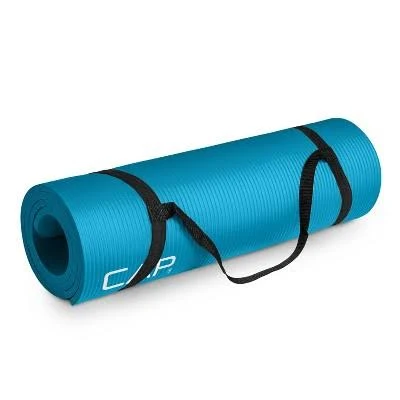
CAP Barbell · Yoga & Exercise Mats
CAP Barbell High Density Exercise Yoga Mat with Strap 12mm
Likely lower concern, but CAP Barbell does not disclose PFAS status.
Exercise mats are typically made from NBR rubber or PVC foam without intentional PFAS. No manufacturer disclosure available; no third-party verification.
We flunk more products than we pass. This one earned its grade. How we grade
Material
NBR rubber foam (typically PVC or NBR-based)
Brand disclosure
Brand is silent on PFAS
Lab data
No public lab test
You may also be interested in
Top-graded picks in the categories readers replace first, every one scored on the same rubric.

- polypropylene filter housing, carbon/sediment cartridge
- We found no PFAS statement from the brand
- Bacterial growth in spent cartridges
3 hazards checked on this product, all on its full breakdown.

Aquasure
Premier Series 75 GPD Under Sink Reverse Osmosis Water Filtration System
- RO membrane, carbon filters, stainless steel housing
- We found no PFAS statement from the brand
- Bacterial and microbial growth in housing and filters
4 hazards checked on this product, all on its full breakdown.

Avocado
Vegan Mattress
- organic cotton, natural latex, coconut coir, recycled steel coils
- The brand calls it PFAS-free, which we have not verified
- Heavy metals
2 hazards checked on this product, all on its full breakdown.
What CAP Barbell High Density Exercise Strap is made of, ingredients and materials
This mat is constructed from NBR (nitrile butadiene rubber) foam, a synthetic rubber compound commonly chosen for exercise mats because it resists moisture, degrades slowly, and has a closed-cell structure that limits water absorption and bacterial colonization. NBR does not contain the phthalate plasticizers found in lower-grade PVC foams, nor does it rely on volatile organic compounds (VOCs) for curing in the way that some polyurethane mats do. The 12mm thickness and strap indicate a durable consumer product designed for repeated compression and portability rather than disposable use.
What’s concerning
Category baseline
The starting point for this type of product, before anything specific to this product is counted.
No PFAS disclosure
No public statement from the brand about PFAS in this product.
Formaldehyde / VOCs
NBR foam generally off-gasses less than PVC or polyurethane, but CAP Barbell provides no test data on specific VOC content or emission rates. Typical odor dissipates within days; persistent strong chemical smell after one week warrants airing or return.
Source, ATSDR ↗Bacterial or mold growth if wet-stored
Closed-cell NBR resists moisture penetration better than open-cell foam, but the strap and crevices can trap moisture if the mat is rolled wet or stored in high humidity. Regular drying after use and dry storage are essential to prevent microbial odor or surface degradation.
Rubber allergens or sensitization
Some individuals experience contact dermatitis or respiratory sensitivity to synthetic rubber compounds, including NBR, particularly if skin contact is prolonged or the mat off-gasses heavily during the first week. Test tolerance by using on skin for short periods before extended yoga or floor exercises.
What’s reassuring
Base material not linked to PFAS
The main material recorded for this product is not one associated with PFAS.
Flame retardants
No public record indicates CAP Barbell applies brominated or chlorinated flame retardants to this mat. NBR foam itself has moderate inherent flame resistance; absence of specific flame-retardant claims is a positive signal but not verified.
Source, EPA ↗Heavy metals
NBR is not known to bioaccumulate lead, cadmium, or antimony during manufacture; no recalls or test findings for this product line suggest contamination. Color additives are standard carbon or iron oxide pigments in fitness-grade mats.
Source, FDA ↗How is this PFAS grade calculated?
The brand's record and disclosure
CAP Barbell is a privately held fitness equipment manufacturer with no published chemical disclosure statements, REACH registrations, or third-party certifications (such as OEKO-TEX or Global Organic Textile Standard) for this mat line. The brand has maintained a low public profile on material sourcing and does not advertise independent testing for volatile off-gassing, heavy metals, or flame retardants. No product recalls or safety complaints specific to this model have been documented in consumer databases or regulatory records.
How it compares in its category
Exercise mats in the yoga and fitness category typically range from PVC (cheaper, higher VOC and phthalate risk) to TPE (thermoplastic elastomer, moderate off-gassing) to natural rubber (higher cost, variable allergen risk) to NBR (mid-range, low chemical volatility). The CAP Barbell NBR mat sits in the middle of the safety spectrum, it avoids the known hazards of PVC but offers no third-party verification that rivals certified eco-mats. For a product in this price tier, it represents a reasonable baseline choice without premium transparency.
If you buy it
Allow the mat to air in a well-ventilated space for 24-48 hours before first use to off-gas any residual manufacturing odors. Clean with mild soap and water; avoid harsh solvents or bleach that could degrade the NBR surface. Store in a cool, dry location away from direct heat or sunlight, which can cause cracking over years of use. Replace the mat if visible cracks, flaking, or persistent odor develop, typically after 3-5 years of regular use depending on frequency and storage conditions.
What is not known about PFAS in this product?
- Basis
- Model estimate, 72% confidence, not a lab result
- Lab test
- None on record for this exact product
- Brand statement
- CAP Barbell has made none
Formulations change between production runs, so check the current label. How we grade.
What are the PFAS-free alternatives to CAP Barbell High Density Exercise Yoga Mat with Strap 12mm?
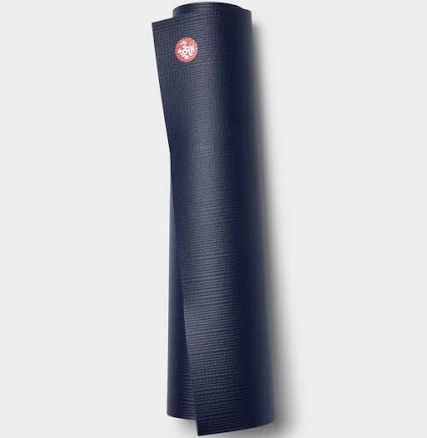
- closed-cell PVC-free foam, rubber top
- A third party reports verifying it as PFAS-free
- Formaldehyde / VOCs
3 hazards checked on this product, all on its full breakdown.
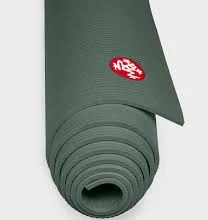
Manduka
Almost Perfect PROlite Yoga Mat
- Natural rubber and PVC, no Teflon-family coating
- A third party reports verifying it as PFAS-free
- Volatile organic compounds (VOCs) from natural rubber
More yoga & exercise mats grades
How we score, every product runs through the same public 0-100 rubric based on materials, coatings, brand disclosure, lab findings, and recalls. See the full methodology → Spotted a mistake? Report an error.