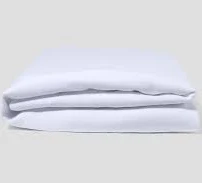
Casper Mattress Protector
Skip until Casper discloses waterproof treatment chemistry, water-repellent coating coatings commonly contain PFAS.
Casper's water-resistant coating prevents spills but leaves PFAS presence unconfirmed, typical of undisclosed water-repellent coating treatments in protectors.
The better-graded swap
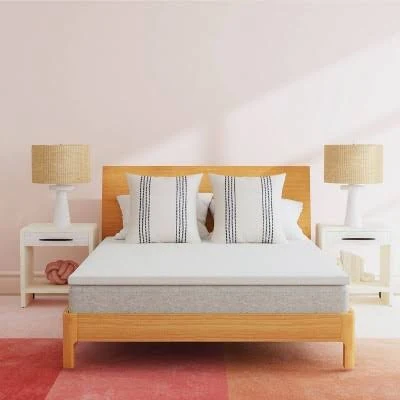
Casper
Casper Sleep Essential Mattress Topper
75/100 safety
Same rubric that flunked this product. The swap earned Excellent.
Still want this one anyway? Check the price on Amazon. We’d swap it.
Material
Polyurethane and polyester blend with water-resistant coating
Brand disclosure
Brand is silent on PFAS
Lab data
No public lab test
Is Casper Mattress Protector non-toxic? What it is made of
Casper's mattress protector uses a polyurethane and polyester blend with a water-resistant topcoat. Polyurethane foam and polyester textiles are generally stable materials, but the water-resistant (water-repellent coating) finish is the weak point, these coatings frequently contain legacy PFAS compounds (PFOA, PFOS) or their replacements, which bind to fabric and persist. The fabric itself is not inherently hazardous, but the treatment applied to achieve waterproofing is where chemical risk concentrates.
What’s concerning
Category baseline
The starting point for this type of product, before anything specific to this product is counted.
No PFAS disclosure
No public statement from the brand about PFAS in this product.
Waterproof / stain-resistant treatment
Water-repellent coating treatments have historically used PFAS.
PFAS
Casper has not disclosed the water-repellent coating chemistry. Legacy and replacement PFAS compounds are standard in polyester fabric water-resistant treatments. These bioaccumulative chemicals migrate slowly into dust and indoor air over the product's lifetime.
Source, ATSDR ↗Polyurethane foam degradation and particle shedding
Polyurethane in mattress protectors can degrade over 3-5 years, especially with moisture exposure or abrasion. Degradation releases fine particles that may be inhaled; this is a slow process in a protected context (under a mattress) but increases if the protector is damaged or improperly washed.
Volatile organic compound (VOC) off-gassing
New polyurethane textiles and adhesives often release VOCs in the first weeks to months. Casper does not specify whether the product has undergone VOC certification testing (e.g., CertiPUR-US for foam, low-VOC textile standards). Off-gassing is typically mild in mattress protectors due to encapsulation under bedding.
Mold or bacterial growth if moisture is trapped
If the water-resistant coating fails or the protector is used in high-humidity environments without proper ventilation, moisture can be trapped between the protector and mattress, creating mold risk. This is a use scenario issue, not a manufacturing defect, but relevant to safety guidance.
What’s reassuring
Formaldehyde / VOCs
No public record of formaldehyde issues in Casper mattress protectors. Polyester and polyurethane textiles do not inherently require formaldehyde resins for finishing, unlike cotton blends. Casper has not reported any formaldehyde content.
Source, ATSDR ↗The full breakdown
The brand's record and disclosure
Casper has not publicly disclosed the specific chemistry of its water-repellent coating or provided PFAS testing data, despite growing industry pressure to do so. The brand has marketed sustainability broadly but has not committed to PFAS-free waterproofing alternatives like wax or silicone-based treatments. This silence on a known chemical class in a frequently purchased bedding item is a material disclosure gap.
How it compares in its category
Most mainstream mattress protectors (Casper, Saatva, Helix, store brands) rely on water-repellent coating-treated fabrics and rarely disclose chemistry. Premium alternatives like some organic or GOTS-certified protectors may use PFAS-free water barriers, though at higher cost and sometimes with trade-offs in waterproofing performance. Casper sits in the middle of the market, widely available and affordable, but offering no transparency advantage over competitors.
If you buy it
Use the protector as designed and avoid excessive washing, which can degrade the water-resistant coating and potentially release particles. Do not dry-clean or apply additional water-resistant sprays, as these may introduce additional PFAS. Inspect every 18-24 months for wear; if the fabric begins to lose its beading effect or shows mold despite normal use, replacement is due. If you are pregnant, nursing, or have young children in the home, consider requesting PFAS test results from Casper's customer service before purchase, given the uncertainty.
What we don’t know
- Basis
- Model estimate, 45% confidence, not a lab result
- Lab test
- None on record for this exact product
- Brand statement
- Casper has made none
Formulations change between production runs, so check the current label. How we grade.
Better-graded alternatives in Mattress Protectors
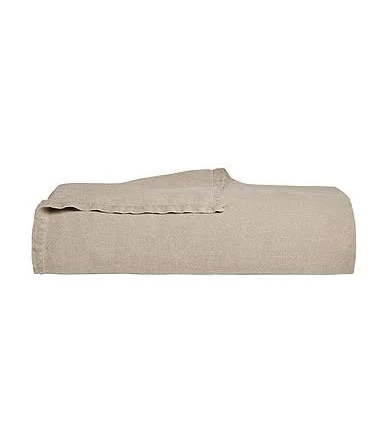
Parachute
Vintage Linen Bed Cover
- 100% linen, no reported coating
- We found no PFAS statement from the brand
- Heavy metals
3 hazards checked on this product. See all of them.
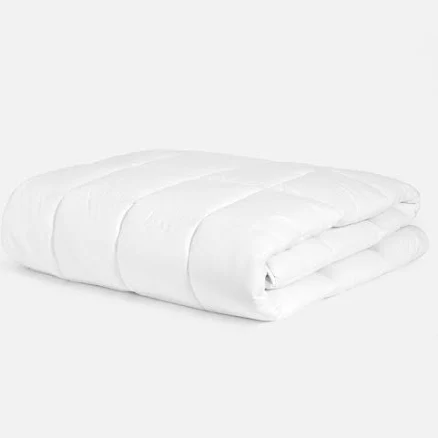
Brooklinen
Down Alternative Mattress Topper
- polyester down-alternative filling
- We found no PFAS statement from the brand
- Azo dyes and colorant migration
4 hazards checked on this product. See all of them.
Casper
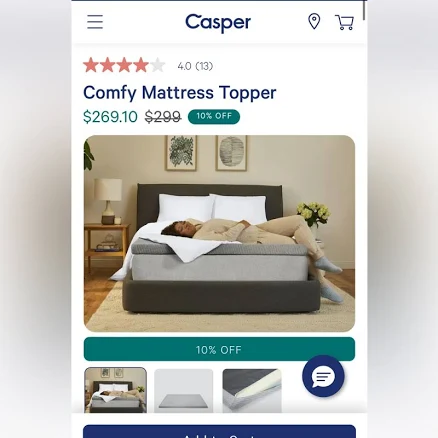
Sleep Comfy Mattress Topper
- Polyurethane foam, cotton/polyester blend cover
- We found no PFAS statement from the brand
- Volatile Organic Compound (VOC) off-gassing
3 hazards checked on this product. See all of them.
More mattress protectors grades
How we score, every product runs through the same public 0-100 rubric based on materials, coatings, brand disclosure, lab findings, and recalls. See the full methodology → Spotted a mistake? Report an error.