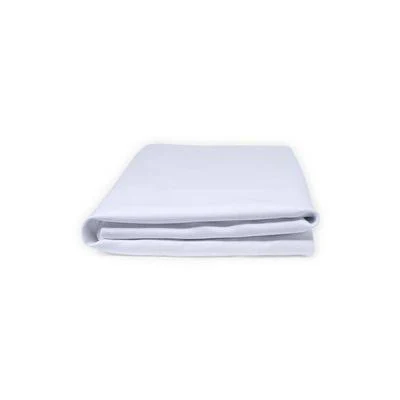
Casper Mattress Protector in White at Nordstrom, Size California King
Casper won't disclose coating chemistry, making PFAS risk assessment impossible.
Casper's mattress protectors use liquid-repelling coatings that typically involve PFAS, but the brand won't say what's in them. No testing or PFAS-free certification exists to verify the coating chemistry.
The better-graded swap
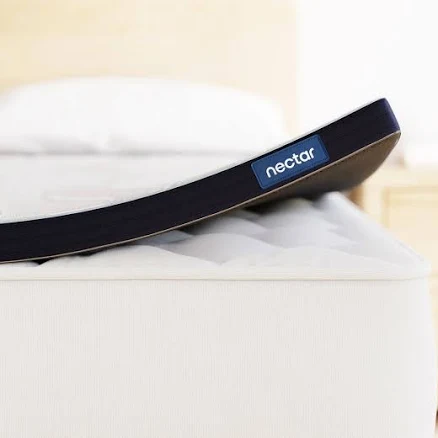
Nectar
Nectar Softer Mattress Topper
75/100 safety
Same rubric that flunked this product. The swap earned Excellent.
Still want this one anyway? Check the price on Amazon. We’d swap it.
Material
Polyurethane or polyester blend with water-resistant coating
Brand disclosure
Brand is silent on PFAS
Lab data
No public lab test
Is Casper Mattress Protector in White at non-toxic? What it is made of
This protector uses a polyurethane or polyester blend base with a water-resistant coating to repel liquids. The coating's chemistry is undisclosed by Casper, which is the core concern, water-resistant textiles commonly use PFAS (PFAS "forever chemicals") to achieve liquid repellency, and Casper has not published ingredient transparency or third-party certifications ruling this out. Polyurethane itself can off-gas volatile organic compounds (VOCs) when new, especially in warm or humid conditions.
What’s concerning
Category baseline
The starting point for this type of product, before anything specific to this product is counted.
No PFAS disclosure
No public statement from the brand about PFAS in this product.
Waterproof / stain-resistant treatment
Water-repellent coating treatments have historically used PFAS.
PFAS
Casper does not disclose whether its water-resistant finish contains PFAS; absence of transparency is standard in this product category but leaves risk unquantified. PFAS coatings are durable and common in textile water repellency.
Source, ATSDR ↗Polyurethane volatile organic compounds (VOC off-gassing)
New polyurethane-blend protectors typically emit VOCs such as toluene and other solvents, especially in the first weeks. Intensity varies by manufacturing process and thickness; Casper does not test or publish VOC data.
Coating degradation and particle shedding
Water-resistant coatings on textiles can crack or flake over time with washing and body heat; shed particles could include coating fragments (chemistry unknown). Risk increases after 5+ years of use or if exposed to high heat.
Bacterial or mold growth if moisture trapped
If the water-resistant coating traps moisture against the mattress without proper ventilation, it could promote microbial growth underneath. Proper airing and periodic removal reduce this risk.
What’s reassuring
Formaldehyde / VOCs
No specific records of formaldehyde contamination in Casper protectors; however, many polyester textiles use formaldehyde-releasing resins for wrinkle resistance. Casper has not published test results excluding this hazard.
Source, ATSDR ↗The full breakdown
The brand's record and disclosure
Casper has not publicly committed to PFAS disclosure or elimination in its mattress protectors, nor has it published testing results or certifications (like OEKO-TEX or GOTS) that would verify absence of restricted chemicals. The brand markets itself on comfort and durability but remains silent on chemical safety specifics for this product category. No major recalls or documented chemical-safety controversies are on record for this specific protector.
How it compares in its category
Most mainstream mattress protectors (Saatva, Helix, Allswell) similarly do not disclose water-resistant coating chemistry, making Casper typical rather than exceptional in transparency. Premium alternatives certified by OEKO-TEX Standard 100 or making explicit PFAS-free claims are available but less common at this price point. Casper's reputation for quality construction is solid, but chemical transparency lags behind eco-focused competitors.
If you buy it
Air out the protector in a well-ventilated space for 24-48 hours before use to off-gas any volatile compounds from the polyurethane backing. Wash it separately in cool water before placing on your mattress; this may reduce surface residues. Avoid prolonged heat exposure (high dryer temperatures) to minimize degradation of the water-resistant coating. Replace it every 5-7 years or if the coating begins to crack, peel, or lose water repellency, as aging coatings may release particles.
What we don’t know
- Basis
- Model estimate, 45% confidence, not a lab result
- Lab test
- None on record for this exact product
- Brand statement
- Casper has made none
Formulations change between production runs, so check the current label. How we grade.
Better-graded alternatives in Mattress Protectors
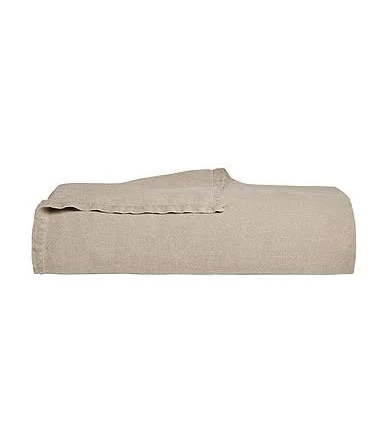
Parachute
Vintage Linen Bed Cover
- 100% linen, no reported coating
- We found no PFAS statement from the brand
- Heavy metals
3 hazards checked on this product. See all of them.
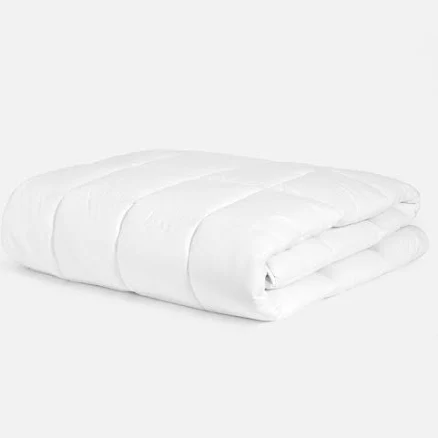
Brooklinen
Down Alternative Mattress Topper
- polyester down-alternative filling
- We found no PFAS statement from the brand
- Azo dyes and colorant migration
4 hazards checked on this product. See all of them.
Casper
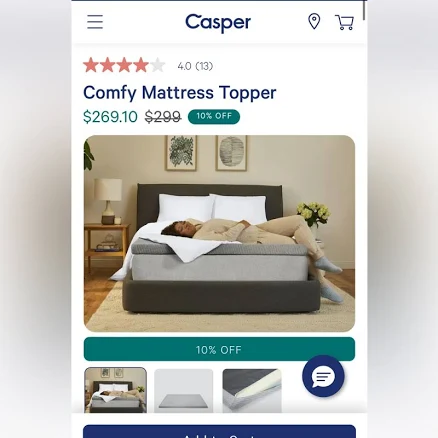
Sleep Comfy Mattress Topper
- Polyurethane foam, cotton/polyester blend cover
- We found no PFAS statement from the brand
- Volatile Organic Compound (VOC) off-gassing
3 hazards checked on this product. See all of them.
More mattress protectors grades
How we score, every product runs through the same public 0-100 rubric based on materials, coatings, brand disclosure, lab findings, and recalls. See the full methodology → Spotted a mistake? Report an error.