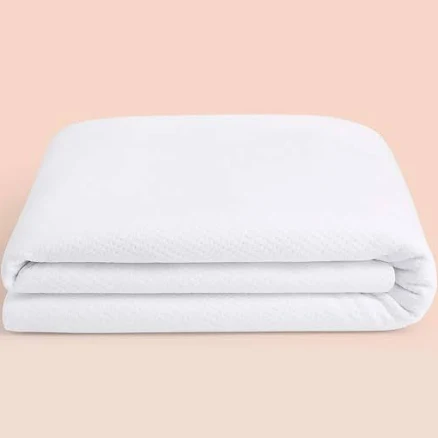
Casper Sleep Waterproof Mattress Protector For California King, White
Waterproof backing chemistry not stated. Water-repellent treatments often use PFAS.
This mattress protector has a polyurethane waterproof backing with unspecified chemistry. Casper has no PFAS statement on record. water-repellent coating coatings have historically relied on PFAS compounds.
The better-graded swap
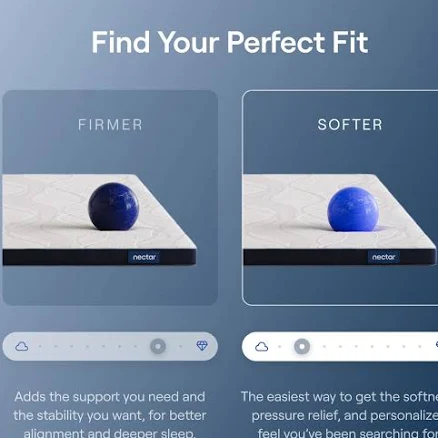
Nectar
Nectar Firmer Mattress Topper
75/100 safety
Same rubric that flunked this product. The swap earned Excellent.
Still want this one anyway? Check the price on Amazon. We’d swap it.
Material
Polyurethane waterproof backing/coating (composition unspecified)
Brand disclosure
Brand is silent on PFAS
Lab data
No public lab test
Is Casper Sleep Waterproof Mattress non-toxic? What it is made of
This protector uses a polyurethane waterproof backing or coating, but Casper does not specify whether it employs PFAS-based water repellents (like Teflon-type coating or other fluorochemicals) or PFAS-free alternatives. Polyurethane itself is generally stable when intact, but the coating composition is the critical unknown. Waterproofing without disclosed chemistry raises concern because PFAS is the industry standard for this function and migrates into bedding and dust over time.
What’s concerning
Category baseline
The starting point for this type of product, before anything specific to this product is counted.
No PFAS disclosure
No public statement from the brand about PFAS in this product.
Waterproof / stain-resistant treatment
Water-repellent coating treatments have historically used PFAS.
PFAS
Polyurethane waterproof backings typically use PFAS-based compounds; Casper discloses nothing, and no independent test data is publicly available for this specific SKU. PFAS migrates into household dust and fabric fibers over the product's lifespan.
Source, ATSDR ↗Polyurethane coating degradation and leachates
Polyurethane coatings naturally degrade with humidity, heat, and age (typically 3-5 years), releasing oligomers and softeners into bedding. No specific recall or complaint record for Casper protectors, but this is a known failure mode in the category.
Volatile organic compounds (VOCs) and off-gassing
New polyurethane-backed textiles often off-gas solvents and chemical residues. Casper provides no off-gassing test results or cure recommendations. Individual sensitivity varies; odor is often the only indicator.
Microplastic/fiber shedding into bedding
As the polyurethane backing degrades or if the fabric separates from the backing, microscopic particles and fibers can shed into the mattress and surrounding sleep environment. No product-specific data; risk increases with age and heat exposure.
Bacterial or mold growth if protector traps moisture
If the waterproof backing fails or is used on an already-damp mattress, the protector can trap moisture and create an anaerobic environment conducive to mold or bacterial colonies. Proper mattress ventilation and prompt cleaning of spills mitigate this.
The full breakdown
The brand's record and disclosure
Casper provides no public statement on PFAS use, chemistry alternatives, or third-party certifications (such as Oeko-Tex or STANDARD 100) for this mattress protector. The company has not issued recalls or safety warnings specific to this product. This silence on waterproofing chemistry is typical of the mattress-protector market but represents a meaningful gap in transparency compared to brands that explicitly commit to PFAS-free formulations.
How it compares in its category
Most affordable waterproof protectors rely on PFAS-based coatings; some mid-to-premium brands (e.g., Avocado, Helix, Allswell) now market PFAS-free or Teflon-type coating-free options, though independent verification is rare. Casper's silence places it in the mainstream, non-transparent segment. For California King sizing, alternatives with lower concern for PFAS are available at similar price points, making this choice less defensible on chemical hazard grounds alone.
If you buy it
Wash the protector before first use to reduce surface contaminants and off-gassing. Avoid high heat dryer; air dry or low-heat only to prevent coating degradation. Replace every 3-5 years as polyurethane coatings degrade, crack, and lose waterproofing, risking liquid contact with the mattress itself. Inspect monthly for tears or peeling; discontinue use if coating visibly flakes or separates, as this indicates potential leaching.
What we don’t know
- Basis
- Model estimate, 35% confidence, not a lab result
- Lab test
- None on record for this exact product
- Brand statement
- Casper has made none
Formulations change between production runs, so check the current label. How we grade.
Better-graded alternatives in Mattress Protectors
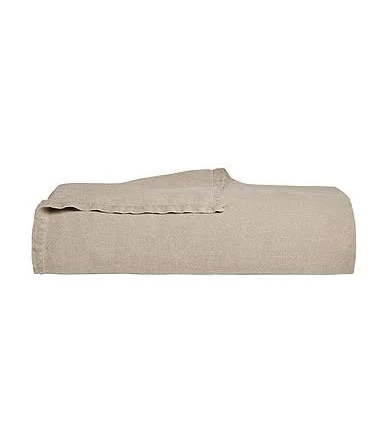
Parachute
Vintage Linen Bed Cover
- 100% linen, no reported coating
- We found no PFAS statement from the brand
- Heavy metals
3 hazards checked on this product. See all of them.
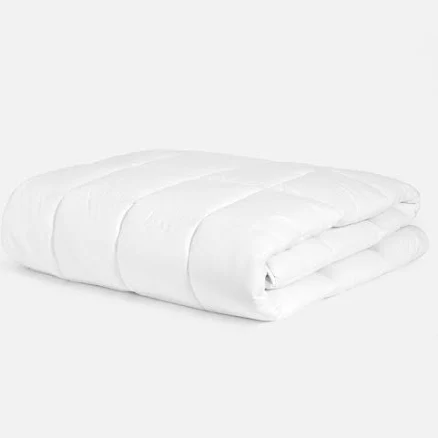
Brooklinen
Down Alternative Mattress Topper
- polyester down-alternative filling
- We found no PFAS statement from the brand
- Azo dyes and colorant migration
4 hazards checked on this product. See all of them.
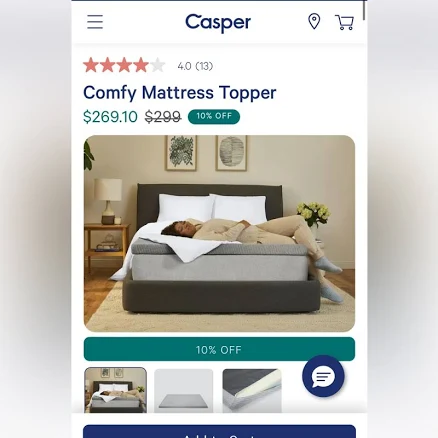
Casper
Sleep Comfy Mattress Topper
- Polyurethane foam, cotton/polyester blend cover
- We found no PFAS statement from the brand
- Volatile Organic Compound (VOC) off-gassing
3 hazards checked on this product. See all of them.
More mattress protectors grades
How we score, every product runs through the same public 0-100 rubric based on materials, coatings, brand disclosure, lab findings, and recalls. See the full methodology → Spotted a mistake? Report an error.