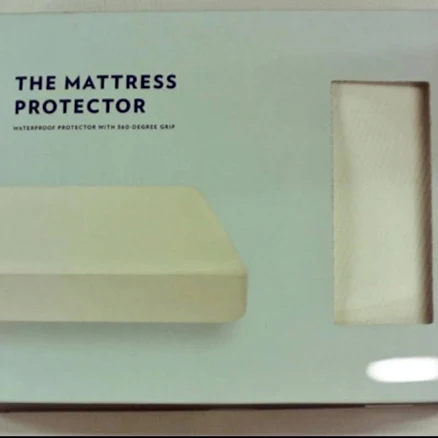
SafeRest Casper Mattress Protector
Avoid until Casper reveals what waterproof treatment it uses in the coating.
Casper's SafeRest protector blocks water and stains without revealing what coating does the job. Most mattress protectors rely on PFAS-based water-repellent treatments to work.
The better-graded swap
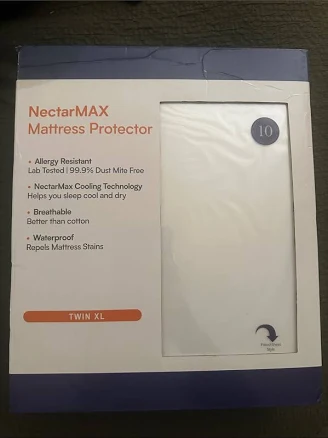
Nectar
Nectar MAX Set Mattress
75/100 safety
Same rubric that flunked this product. The swap earned Excellent.
Still want this one anyway? Check the price on Amazon. We’d swap it.
Material
Polyurethane or polyester blend with water-resistant coating (type unspecified)
Brand disclosure
Brand is silent on PFAS
Lab data
No public lab test
Is SafeRest Casper Mattress Protector non-toxic? What it is made of
The SafeRest Casper protector uses a polyurethane or polyester blend base with a water-resistant surface coating. Polyurethane itself is a stable plastic polymer with low leaching risk under normal sleeping conditions. The critical unknown is the waterproof topcoat, if it contains Teflon-type coating, polyfluoroalkyl substances, or other fluorinated compounds, you are sleeping directly on a PFAS source that contacts skin nightly. Casper has not publicly disclosed the chemistry of this coating.
What’s concerning
Category baseline
The starting point for this type of product, before anything specific to this product is counted.
No PFAS disclosure
No public statement from the brand about PFAS in this product.
Waterproof / stain-resistant treatment
Water-repellent coating treatments have historically used PFAS.
PFAS
Casper does not disclose whether the waterproof topcoat contains fluorinated compounds. Polyester and polyurethane blends commonly use PFOA/PFOS-class treatments for durability. Direct skin contact during 8 hours of sleep daily increases dermal exposure if PFAS is present.
Source, ATSDR ↗Polyurethane off-gassing and VOC release
Polyurethane foams and coatings can release volatile organic compounds (VOCs) and isocyanate residues in the first weeks after manufacture. New protectors may have detectable chemical odor; ventilation and pre-washing reduce exposure but do not eliminate it entirely.
Coating degradation and microplastic shedding
Polyurethane and synthetic coatings degrade over time, especially with heat, moisture, and washing. As the waterproof layer breaks down, small particles may shed into bedding and be inhaled or ingested; frequency increases after year 2-3 of use.
Skin irritation from coatings or dyes
Polyester blends may contain azo dyes or reactive dyes that can cause contact dermatitis in sensitive individuals. The water-resistant coating itself (unknown chemistry) poses low but real risk of irritation with prolonged skin contact in warm, moist sleeping conditions.
What’s reassuring
Formaldehyde / VOCs
No public record of formaldehyde-based dyes or cross-linkers in SafeRest protectors. However, Casper does not publish material safety data sheets; formaldehyde cannot be ruled out without direct testing or brand confirmation.
Source, ATSDR ↗The full breakdown
The brand's record and disclosure
Casper has not published transparency reports on PFAS content in its mattress protectors or other products, nor does it list certifications (Oeko-Tex, GOTS, Bluesign) that would rule out harmful treatments. The brand markets SafeRest as a budget line but provides minimal material safety documentation beyond basic fiber claims. This silence is the core issue, a transparent maker would name the waterproofing agent.
How it compares in its category
Most polyester mattress protectors use either fluorinated PFAS coatings (cheaper, more durable repellency) or non-fluorinated alternatives like silicone, wax, or polyurethane-only constructions (pricier, shorter lifespan). Some competitor brands (e.g., Brooklinen, Helix) disclose their coating types or hold sustainability certifications that exclude PFAS. The SafeRest offering sits in the price-conscious segment where fluorination is common; the lack of disclosure is a red flag relative to mid-tier alternatives.
If you buy it
Wash before use to remove any residual finishes or dust. Use cool or warm water only; hot water or steam can degrade polyurethane coatings and may trigger off-gassing or coating breakdown over time. Expect water repellency to decline after 30-50 washes; the coating is not permanent and will need replacement every 2-3 years. If the protector begins to feel sticky, flake, or smell chemical, discard it immediately; this signals coating breakdown or contamination.
What we don’t know
- Basis
- Model estimate, 45% confidence, not a lab result
- Lab test
- None on record for this exact product
- Brand statement
- Casper has made none
Formulations change between production runs, so check the current label. How we grade.
Better-graded alternatives in Mattress Protectors
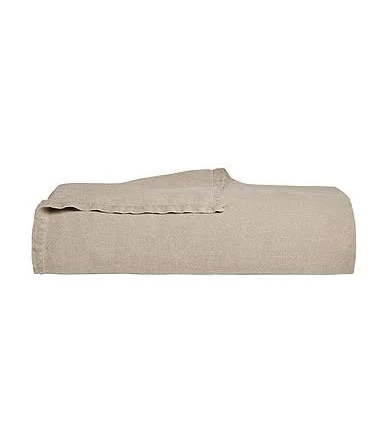
Parachute
Vintage Linen Bed Cover
- 100% linen, no reported coating
- We found no PFAS statement from the brand
- Heavy metals
3 hazards checked on this product. See all of them.
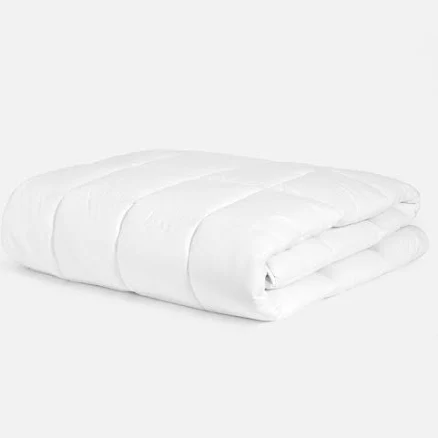
Brooklinen
Down Alternative Mattress Topper
- polyester down-alternative filling
- We found no PFAS statement from the brand
- Azo dyes and colorant migration
4 hazards checked on this product. See all of them.
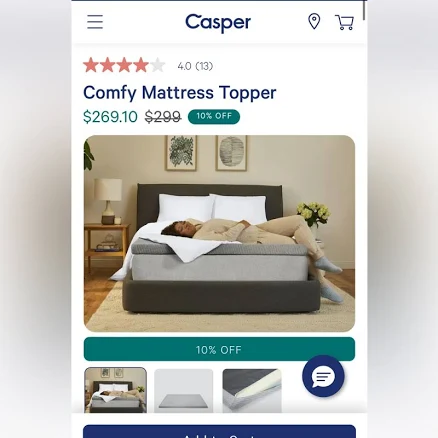
Casper
Sleep Comfy Mattress Topper
- Polyurethane foam, cotton/polyester blend cover
- We found no PFAS statement from the brand
- Volatile Organic Compound (VOC) off-gassing
3 hazards checked on this product. See all of them.
More mattress protectors grades
How we score, every product runs through the same public 0-100 rubric based on materials, coatings, brand disclosure, lab findings, and recalls. See the full methodology → Spotted a mistake? Report an error.