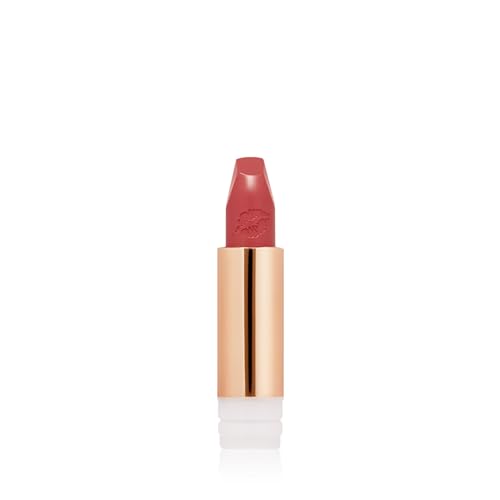
Charlotte Tilbury Hot Lips 2 Refill
Lower concern lipstick. No known PFAS formulation triggers identified.
Charlotte Tilbury Hot Lips is a conventional cosmetic lipstick without disclosed waterproofing treatments or known Teflon-family coating additives. Brand makes no PFAS claim either way.
We flunk more products than we pass. This one earned its grade. How we grade
Material
wax, oils, pigments in lipstick format
Lab data
No public lab test
You may also be interested in
Top-graded picks in the categories readers replace first, every one scored on the same rubric.

- polypropylene filter housing, carbon/sediment cartridge
- We found no PFAS statement from the brand
- Bacterial growth in spent cartridges
3 hazards checked on this product, all on its full breakdown.

Aquasure
Premier Series 75 GPD Under Sink Reverse Osmosis Water Filtration System
- RO membrane, carbon filters, stainless steel housing
- We found no PFAS statement from the brand
- Bacterial and microbial growth in housing and filters
4 hazards checked on this product, all on its full breakdown.

Avocado
Vegan Mattress
- organic cotton, natural latex, coconut coir, recycled steel coils
- The brand calls it PFAS-free, which we have not verified
- Heavy metals
2 hazards checked on this product, all on its full breakdown.
What Charlotte Tilbury Hot Lips 2 Refill is made of, ingredients and materials
Charlotte Tilbury Hot Lips 2 is a wax-and-oil based lipstick containing pigments for color. The wax base (typically blends of beeswax, carnauba, or synthetic waxes) provides structure and wear; oils ensure spreadability and conditioning. Pigments are the primary chemical concern in any color cosmetic because some inorganic pigment classes historically contained heavy metals, though modern brands typically use approved colorants. As a refill product, you are not exposed to packaging leachables or coating degradation risks inherent to the original compact.
What’s concerning
Category baseline
The starting point for this type of product, before anything specific to this product is counted.
No PFAS disclosure
No public statement from the brand about PFAS in this product.
Fragrance allergens and contact sensitizers
Hot Lips 2 contains fragrance (ingredient list includes parfum/fragrance). While individual sensitivity is rare, lip skin is thinner and more permeable than facial skin, increasing risk of contact irritation or allergic reaction in susceptible individuals. Brand does not disclose fragrance components.
Oxidative rancidity of oils and wax degradation
Over extended storage (beyond 1-2 years) or in warm conditions, the oil and wax base may separate or oxidize, developing off-odors or texture breakdown. This is a quality and mild irritation concern, not acute toxicity, but signals product aging and should trigger replacement.
What’s reassuring
Base material not linked to PFAS
The main material recorded for this product is not one associated with PFAS.
Lead
No recalls, advisories, or published test results indicating heavy metal exceedance in Charlotte Tilbury Hot Lips 2. Regulatory approval in the US and EU requires lipstick lead limits; the brand has not disclosed independent testing but no safety signal is on record.
Source, ATSDR ↗Formaldehyde / VOCs
Lipsticks do not typically require formaldehyde-releasing preservatives because the wax-oil matrix and low water content inhibit microbial growth. No advisories or complaints specific to this product or brand are documented.
Source, ATSDR ↗Talc contamination with asbestos
Charlotte Tilbury does not use talc as a disclosed ingredient in Hot Lips 2 according to available product information. Lipsticks in this format typically rely on wax and pigment, not talc; no asbestos concerns are on record for this product line.
How is this PFAS grade calculated?
The brand's record and disclosure
Charlotte Tilbury does not publish detailed ingredient safety certifications or heavy-metal testing results publicly, nor does the brand make explicit PFAS stance statements. The company does list ingredients on product pages and complies with EU and US cosmetic regulations, which prohibit lead in lipsticks and restrict colorant choices. No recalls or safety warnings specific to Hot Lips 2 or this brand's lipstick line are on record. The brand's silence on heavy metals and formaldehyde testing is typical of prestige cosmetics; it does not indicate a problem, only lack of voluntary transparency.
How it compares in its category
Wax-based lipsticks like Hot Lips 2 carry lower volatilization risk than spray or liquid products because pigments and waxes are not aerosolized. Compared to matte liquid lipsticks (which may contain volatile solvents or higher heavy-metal pigment loads), traditional bullet lipsticks are a lower-concern format. Refill products eliminate single-use packaging waste and reduce exposure risk from compact coatings or interior inks. Hot Lips 2 sits in the mid-to-premium cosmetics segment where regulatory compliance is standard but independent testing is rare.
If you buy it
Apply lipstick only to lips; do not ingest deliberately. Store below 25°C (77°F) to prevent wax separation or oil weeping, which accelerates oxidation and potential rancidity. Replace the refill if you notice color shift, odor change, or visible mold or separation, typically after 1-2 years of regular use. If you have a history of contact dermatitis or fragrance sensitivity, perform a patch test on lips first, as fragrance in cosmetics can trigger localized irritation even in low-risk products.
What is not known about PFAS in this product?
- Basis
- Model estimate, 72% confidence, not a lab result
- Lab test
- None on record for this exact product
- Brand statement
- Charlotte Tilbury has made a specific claim
Formulations change between production runs, so check the current label. How we grade.
What are the PFAS-free alternatives to Charlotte Tilbury Hot Lips 2 Refill?
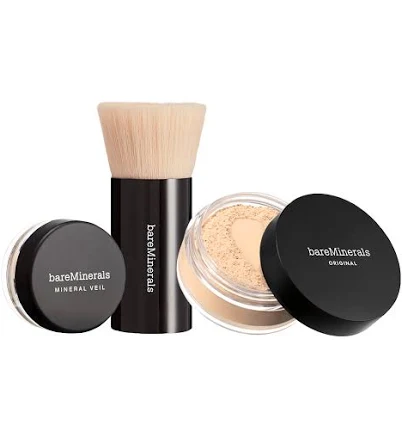
- The brand calls it PFAS-free, which we have not verified
- Lead
3 hazards checked on this product, all on its full breakdown.
More cosmetics grades
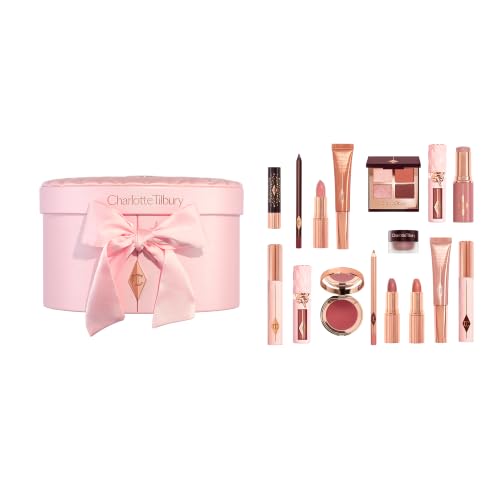 75Charlotte Tilbury Pillow Talk Dreams Come True
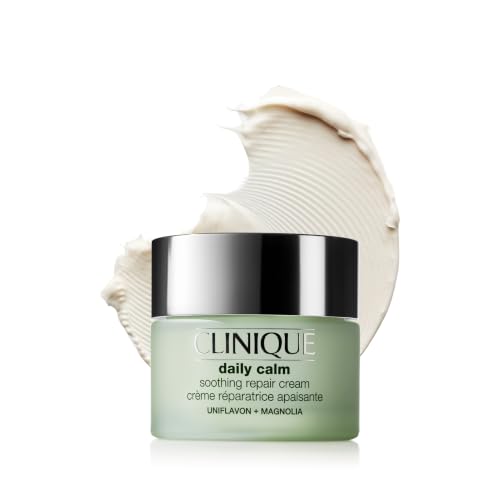 75Clinique Daily Calm Soothing Repair Face Cream
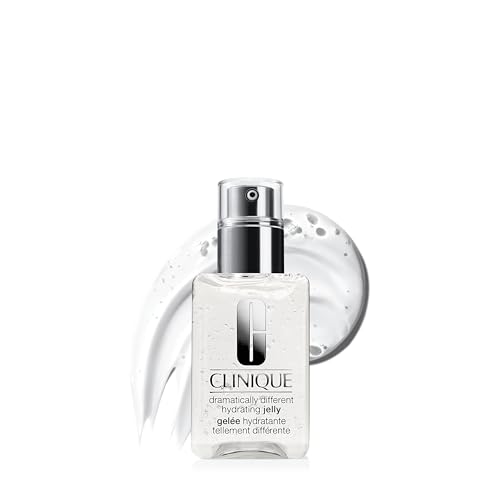 75Clinique Dramatically Different Hydrating Jelly Moisturizer
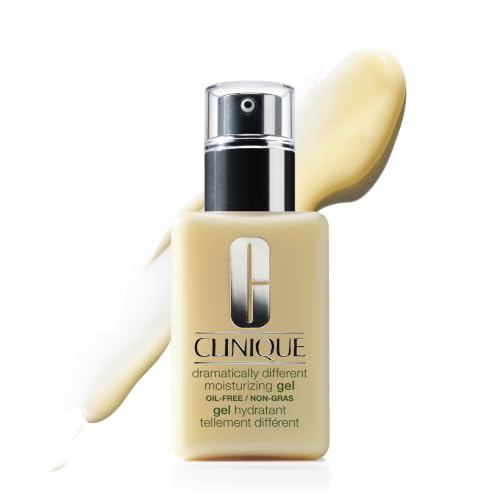 75Clinique Dramatically Different Moisturizing Gel
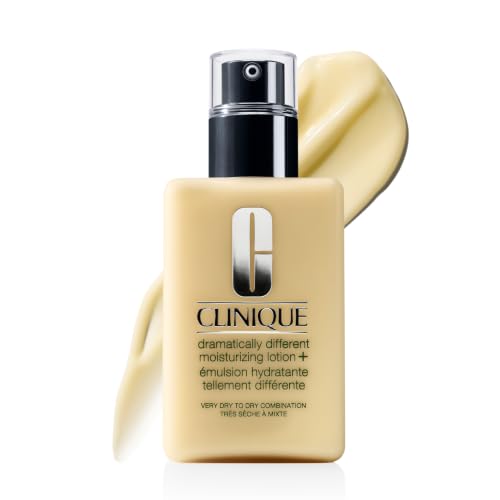 75Clinique Dramatically Different Moisturizing Lotion+
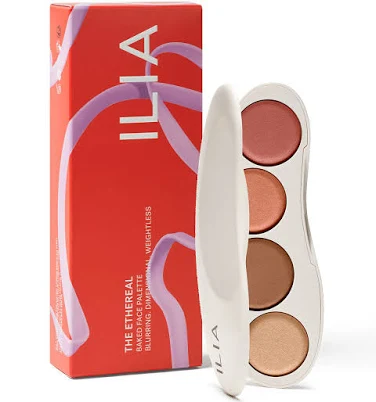 75Ilia Beauty Clean Makeup
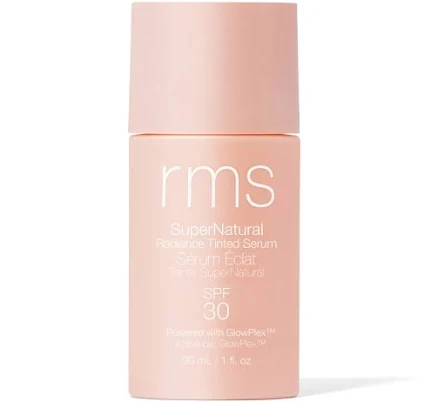 75RMS Beauty Organic Makeup
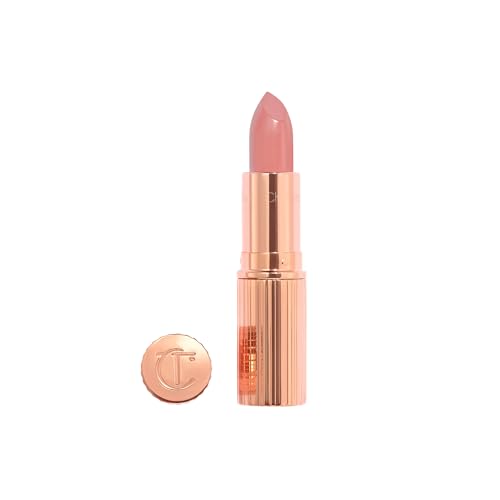 75Charlotte Tilbury Pillow Talk Lipstick
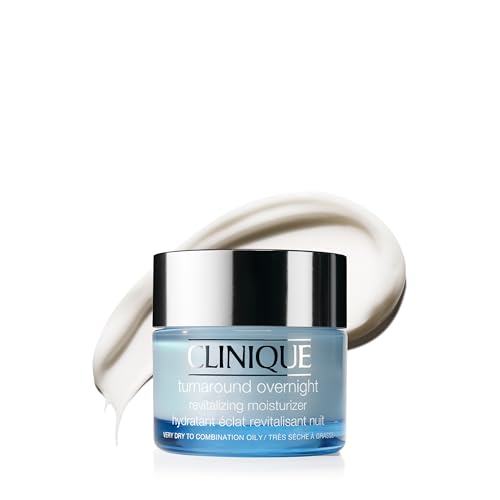 75Clinique Turnaround Overnight Revitalizing Moisturizer
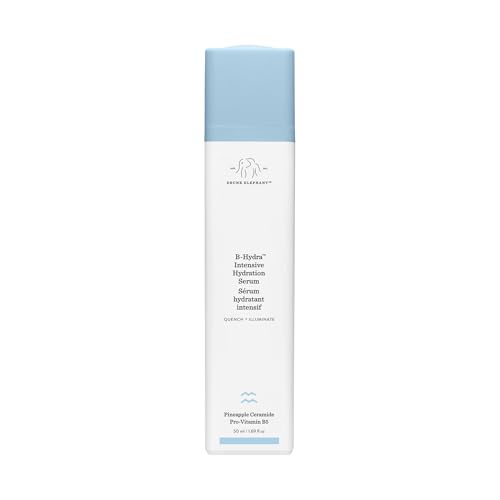 75Drunk Elephant B-Hydra Intensive Hydration SerumCompare vs Bare Minerals →All cosmetics →
How we score, every product runs through the same public 0-100 rubric based on materials, coatings, brand disclosure, lab findings, and recalls. See the full methodology → Spotted a mistake? Report an error.