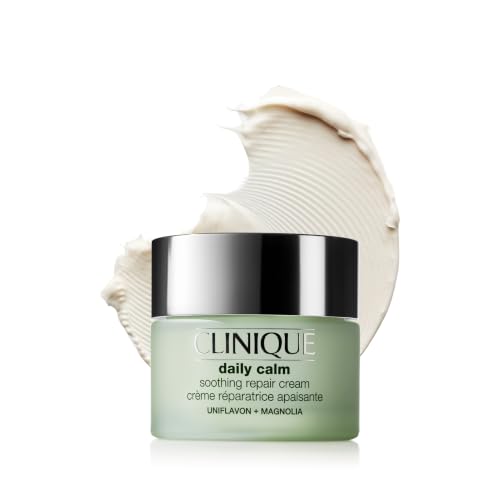
Clinique Daily Calm Soothing Repair Face Cream
Lower concern. Standard moisturizer with no known PFAS use.
Face cream formulated with common moisturizing ingredients typical of skincare. No public disclosure of PFAS content, but formula composition does not indicate intentional PFAS use.
We flunk more products than we pass. This one earned its grade. How we grade
Material
Water, glycerin, emollients, humectants
Lab data
No public lab test
You may also be interested in
Top-graded picks in the categories readers replace first, every one scored on the same rubric.

- polypropylene filter housing, carbon/sediment cartridge
- We found no PFAS statement from the brand
- Bacterial growth in spent cartridges
3 hazards checked on this product, all on its full breakdown.

Aquasure
Premier Series 75 GPD Under Sink Reverse Osmosis Water Filtration System
- RO membrane, carbon filters, stainless steel housing
- We found no PFAS statement from the brand
- Bacterial and microbial growth in housing and filters
4 hazards checked on this product, all on its full breakdown.

Avocado
Vegan Mattress
- organic cotton, natural latex, coconut coir, recycled steel coils
- The brand calls it PFAS-free, which we have not verified
- Heavy metals
2 hazards checked on this product, all on its full breakdown.
What Clinique Daily Calm Soothing Face Cream is made of, ingredients and materials
This is a water-based emulsion combining humectants (glycerin draws moisture into skin) and emollients (oils or silicones soften the outer layer). The formula is typical for daily facial moisturizers, water as the primary solvent, glycerin as the hydrating agent, and fatty acids or occlusives to seal hydration. No known active irritants or restricted substances are listed in the public formulation record. This class of formula is considered low-risk for dermally sensitive populations when free of fragrance allergens and preservative sensitizers.
What’s concerning
Category baseline
The starting point for this type of product, before anything specific to this product is counted.
No PFAS disclosure
No public statement from the brand about PFAS in this product.
Fragrance allergens
Clinique Daily Calm contains fragrance compounds (not specified as essential oils or synthetic). Fragrance is a known contact allergen class affecting 1-3% of users with dermatitis; no specific allergen breakdown is disclosed publicly for this product.
Preservative contact sensitizers
Water-based moisturizers require preservatives to prevent microbial growth. Clinique does not publicly detail which preservative system this formulation uses; common choices include parabens and phenoxyethanol, both low-hazard at permitted levels but linked to contact dermatitis in sensitive individuals.
What’s reassuring
Base material not linked to PFAS
The main material recorded for this product is not one associated with PFAS.
Heavy metals
This is a colorless or lightly tinted moisturizer with no reported synthetic colorants or mineral pigments; heavy metal contamination is not a known concern for this product type or brand.
Source, FDA ↗1,4-dioxane (solvent contaminant)
1,4-dioxane can form as a trace byproduct in cosmetics during ethoxylation of ingredients, but Clinique's use of glycerin and simple emollients does not require high-risk synthetic processes known to generate this contaminant. No specific testing data is public, but formulation profile suggests low probability.
Formaldehyde / VOCs
No public evidence that Clinique Daily Calm uses formaldehyde-donor preservatives (e.g., DMDM hydantoin). Standard modern practice in this brand's product lines does not employ this class of preservative.
Source, ATSDR ↗How is this PFAS grade calculated?
The brand's record and disclosure
Clinique is owned by Estée Lauder Companies and maintains moderate transparency on ingredient disclosure; full ingredient lists are publicly available. The brand does not prominently advertise PFAS-free status (stance recorded as silent), which is typical for mainstream cosmetics lines not specifically marketed as PFAS-conscious. No major safety recalls or substantiated contamination incidents specific to this product line are on public record. Estée Lauder has faced past scrutiny over fragrance opacity and preservative choices but not product safety failures in this moisturizer category.
How it compares in its category
Daily facial moisturizers typically fall into water-based or oil-based formulas; this one's water-glycerin base is mainstream and less occlusive than heavier creams. Compared to luxury or dermatologist-focused brands, Clinique's formulation is standard-formula with fragrance and preservatives present, which slightly increases contact allergen risk for sensitive users. It sits between mass-market drugstore moisturizers (often cheaper, comparable safety) and prestige clinical lines (sometimes higher price, not necessarily lower hazard). No material advantage in hazard profile over category peers.
If you buy it
Apply to clean, damp skin to maximize hydration; do not heat the product or store above 25°C (77°F) as heat can degrade preservatives and emulsifiers, though this product is not heat-sensitive like some cosmetics. Discontinue immediately if rash, itching, or irritation develops; fragrance and preservatives are the most likely contact sensitizers in this formula. Replace if the product separates, changes color, or develops odor, as these signal preservative breakdown. Patch test on inner forearm 24 hours before full facial application if you have a history of cosmetic sensitivities.
What is not known about PFAS in this product?
- Basis
- Model estimate, 72% confidence, not a lab result
- Lab test
- None on record for this exact product
- Brand statement
- Clinique has made a specific claim
Formulations change between production runs, so check the current label. How we grade.
What are the PFAS-free alternatives to Clinique Daily Calm Soothing Repair Face Cream?
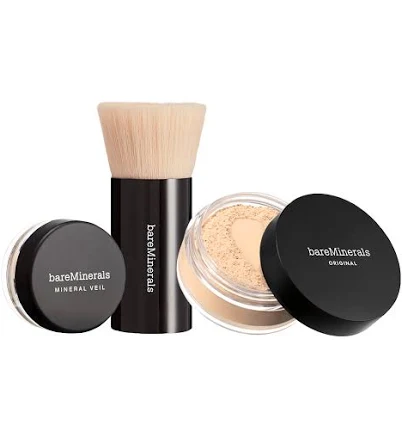
- The brand calls it PFAS-free, which we have not verified
- Lead
3 hazards checked on this product, all on its full breakdown.
More cosmetics grades
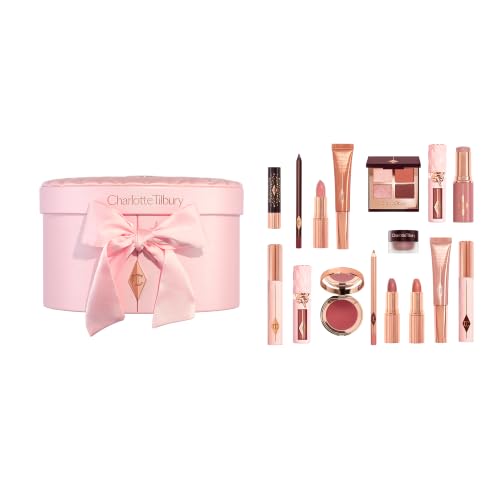 75Charlotte Tilbury Pillow Talk Dreams Come True
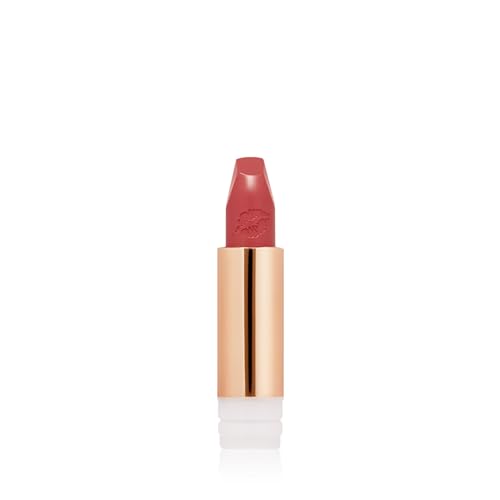 75Charlotte Tilbury Hot Lips 2 Refill
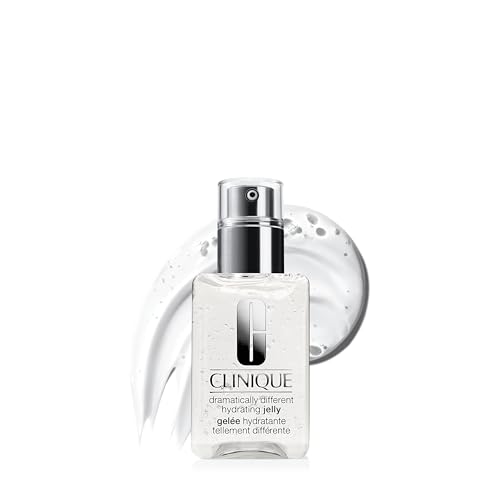 75Clinique Dramatically Different Hydrating Jelly Moisturizer
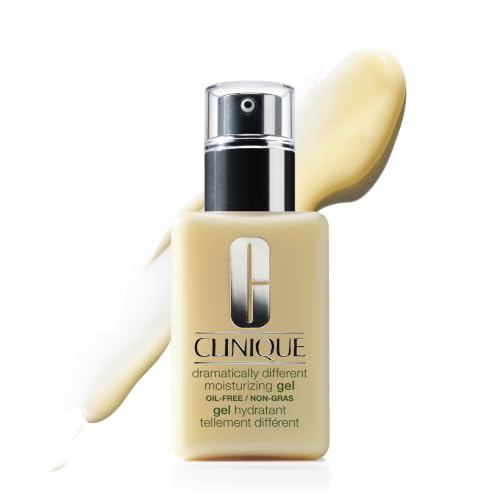 75Clinique Dramatically Different Moisturizing Gel
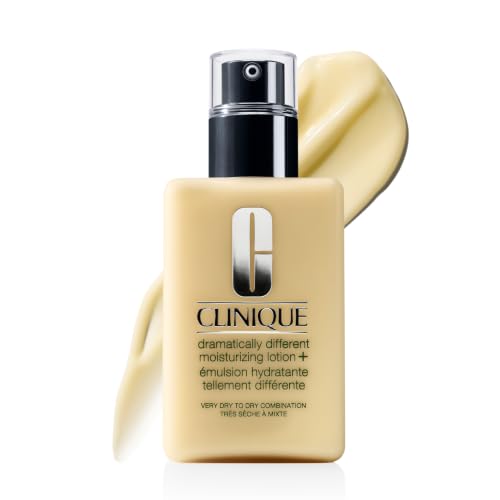 75Clinique Dramatically Different Moisturizing Lotion+
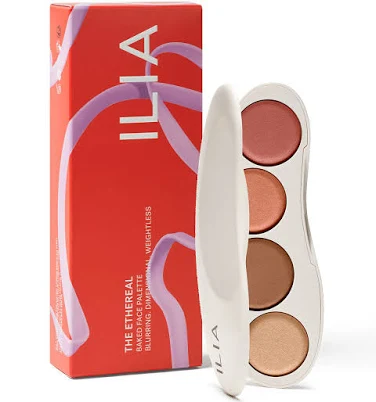 75Ilia Beauty Clean Makeup
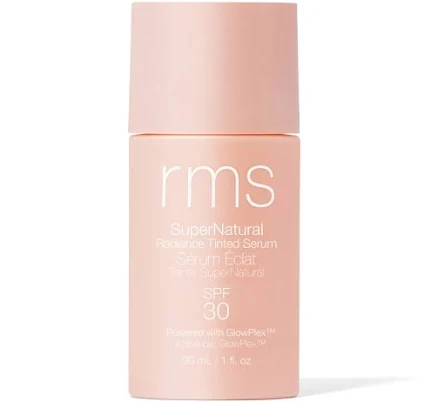 75RMS Beauty Organic Makeup
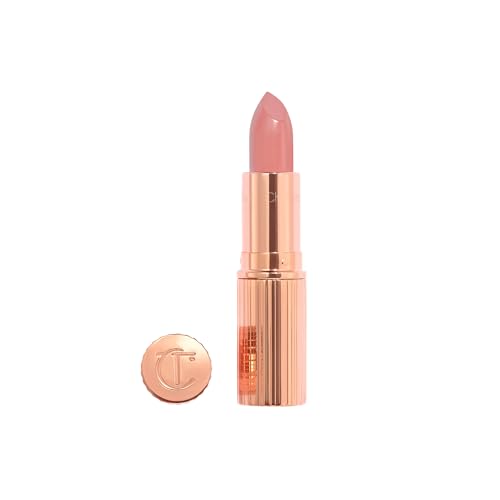 75Charlotte Tilbury Pillow Talk Lipstick
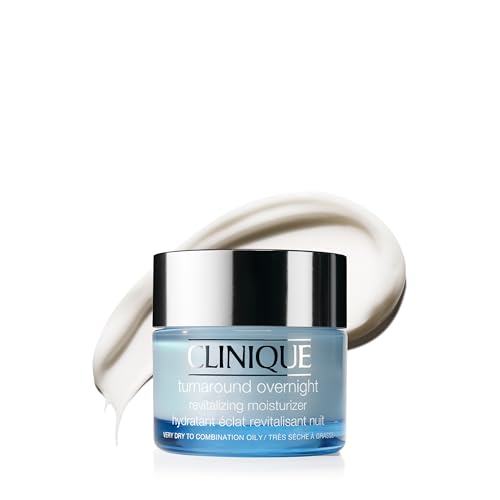 75Clinique Turnaround Overnight Revitalizing Moisturizer
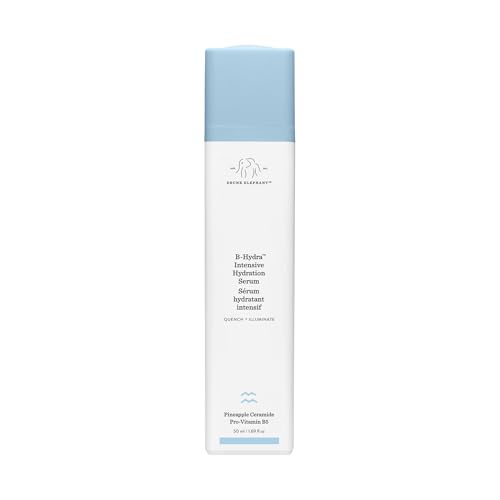 75Drunk Elephant B-Hydra Intensive Hydration SerumCompare vs Bare Minerals →All cosmetics →
How we score, every product runs through the same public 0-100 rubric based on materials, coatings, brand disclosure, lab findings, and recalls. See the full methodology → Spotted a mistake? Report an error.