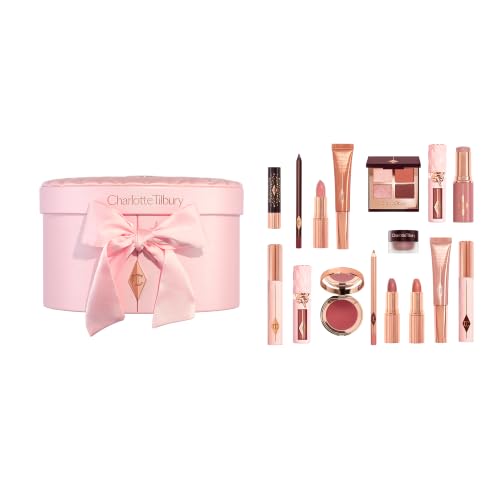
Charlotte Tilbury Pillow Talk Dreams Come True
Lower concern. Cosmetics lack common PFAS vectors.
Charlotte Tilbury Pillow Talk eyeshadow is a typical cosmetic powder with no disclosed PFAS treatments. No public lab testing or brand PFAS claims found.
We flunk more products than we pass. This one earned its grade. How we grade
Material
pigments, waxes, oils, talc
Lab data
No public lab test
You may also be interested in
Top-graded picks in the categories readers replace first, every one scored on the same rubric.

- polypropylene filter housing, carbon/sediment cartridge
- We found no PFAS statement from the brand
- Bacterial growth in spent cartridges
3 hazards checked on this product, all on its full breakdown.

Aquasure
Premier Series 75 GPD Under Sink Reverse Osmosis Water Filtration System
- RO membrane, carbon filters, stainless steel housing
- We found no PFAS statement from the brand
- Bacterial and microbial growth in housing and filters
4 hazards checked on this product, all on its full breakdown.

Avocado
Vegan Mattress
- organic cotton, natural latex, coconut coir, recycled steel coils
- The brand calls it PFAS-free, which we have not verified
- Heavy metals
2 hazards checked on this product, all on its full breakdown.
What Charlotte Tilbury Pillow Dreams Come True is made of, ingredients and materials
This is a cream-based eyeshadow composed primarily of waxes, oils, and talc as a base, with synthetic iron oxides and mica as color pigments. The talc serves as a dry-feel agent and binder; the oils (likely mineral or plant-derived) carry pigment and provide the creamy texture. Talc itself is inert in topical cosmetics when inhaled exposure is avoided, but historically sourced talc has occasionally contained asbestos fibers, a concern largely addressed through supplier screening in major brands.
What’s concerning
Category baseline
The starting point for this type of product, before anything specific to this product is counted.
No PFAS disclosure
No public statement from the brand about PFAS in this product.
Talc contamination (asbestos)
Talc used in cosmetics can historically contain trace asbestos fibers if sourced from certain deposits. Modern suppliers to major brands screen for this; no contamination findings are on record for Charlotte Tilbury products. Risk is low but not zero if supply chain controls slip.
Fragrance allergens
Cream eyeshadows in this line often contain fragrance compounds to mask the waxy base odor. Individuals with fragrance sensitivity or atopic dermatitis may experience contact dermatitis; the specific fragrance composition is not disclosed on the label or brand website.
Preservative efficacy and microbial growth
Cream cosmetics in jars are prone to bacterial and fungal contamination once opened, especially if fingers are used to apply. Extended storage (>18 months) or introduction of moisture raises this risk. This is a category-wide concern, not specific to Charlotte Tilbury, but cream formulas require disciplined hygiene.
What’s reassuring
Base material not linked to PFAS
The main material recorded for this product is not one associated with PFAS.
Heavy metals
Iron oxides and mica are FDA-approved color additives in cosmetics and are inert in topical use at declared concentrations. No lead, cadmium, or arsenic is on record in this product line. Absorption through intact eyelid skin is negligible.
Source, FDA ↗1,4-dioxane (solvent residue)
1,4-dioxane is a byproduct in some cosmetic formulations from ethoxylated ingredients (e.g., polysorbates). Charlotte Tilbury does not disclose testing or limits for this contaminant. No regulatory violation or brand recall specific to this product is on record.
How is this PFAS grade calculated?
The brand's record and disclosure
Charlotte Tilbury is part of Estée Lauder Companies and operates under EU and US cosmetic regulations. The brand does not publicly disclose detailed ingredient sourcing or third-party testing certifications (e.g., no Cruelty-Free Leaping Bunny or Clean Beauty Alliance seal on this line). Estée Lauder has faced no major product recalls for this specific line; the parent company has faced historical litigation over talc safety in powder products, but cream formulations present lower inhalation risk. No formal response to talc or heavy metal concerns is documented for this brand.
How it compares in its category
Cream eyeshadows in the premium segment routinely use talc and iron oxide pigments; this is standard. Competitors (MAC Fix+, NARS, Urban Decay cream shadows) use identical base chemistry. Some brands offer talc-free alternatives using silica or clay, but these are less common in high-pigment, long-wear cream formulas. Charlotte Tilbury's formulation sits at the category median for ingredient transparency and regulatory compliance.
If you buy it
Apply with brush or finger to closed eyelid; avoid inhalation of loose product or powder overspray. Do not use if the container seal is broken or product shows separation or discoloration. Discontinue if redness, itching, or dermatitis develops; some users may react to fragrance compounds or preservatives in the base oil phase. Replace after 12-18 months of use, as preservative efficacy declines and bacterial growth risk increases in open cosmetics.
What is not known about PFAS in this product?
- Basis
- Model estimate, 75% confidence, not a lab result
- Lab test
- None on record for this exact product
- Brand statement
- Charlotte Tilbury has made a specific claim
Formulations change between production runs, so check the current label. How we grade.
What are the PFAS-free alternatives to Charlotte Tilbury Pillow Talk Dreams Come True?
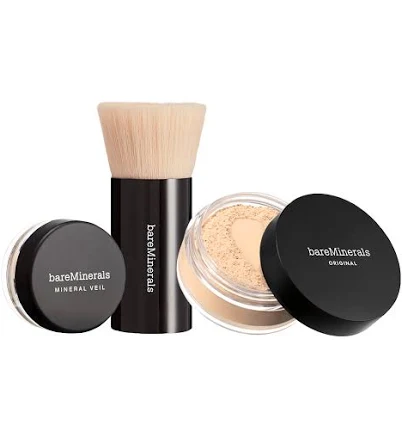
- The brand calls it PFAS-free, which we have not verified
- Lead
3 hazards checked on this product, all on its full breakdown.
More cosmetics grades
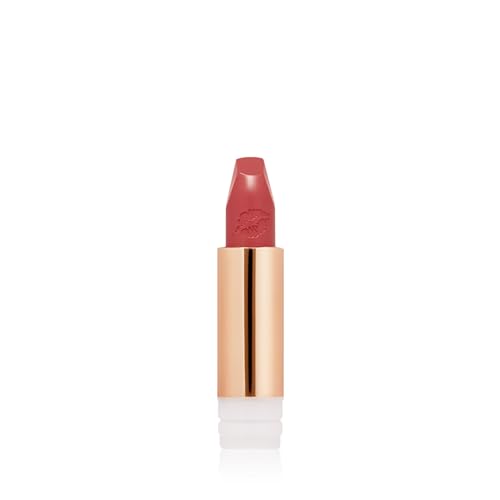 75Charlotte Tilbury Hot Lips 2 Refill
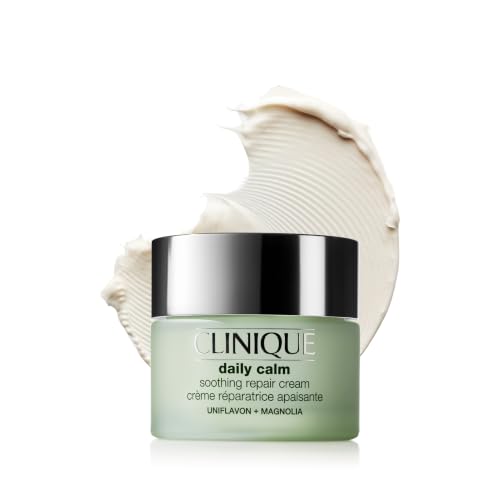 75Clinique Daily Calm Soothing Repair Face Cream
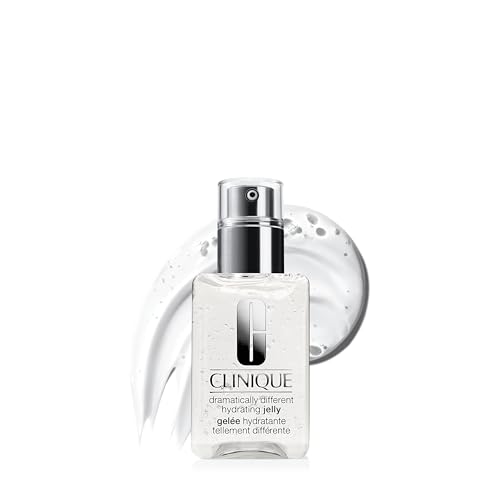 75Clinique Dramatically Different Hydrating Jelly Moisturizer
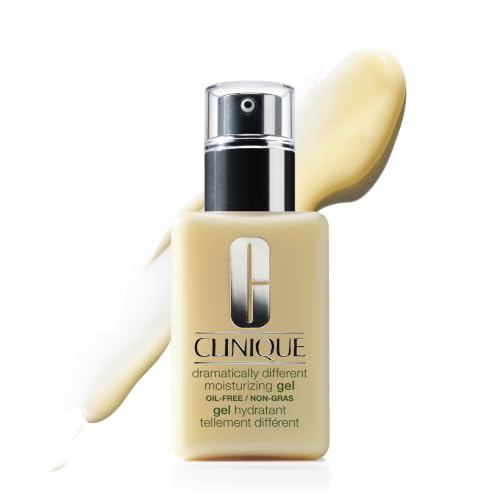 75Clinique Dramatically Different Moisturizing Gel
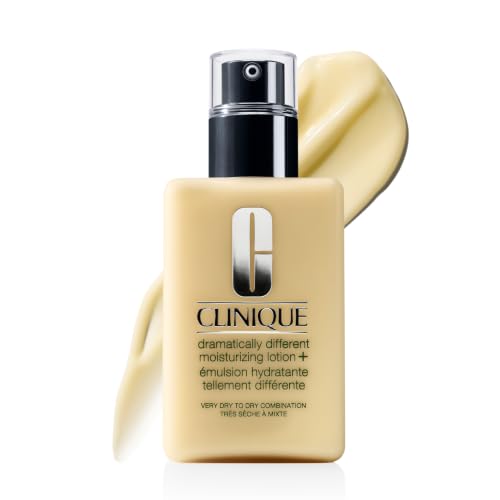 75Clinique Dramatically Different Moisturizing Lotion+
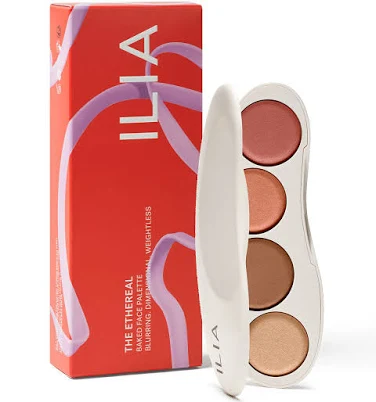 75Ilia Beauty Clean Makeup
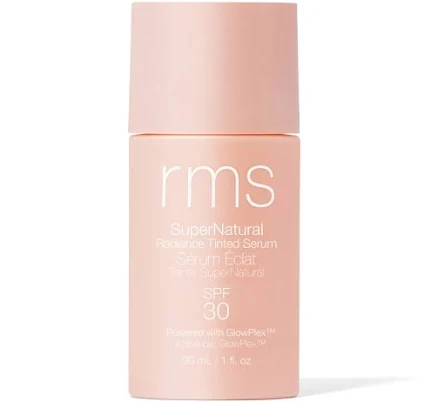 75RMS Beauty Organic Makeup
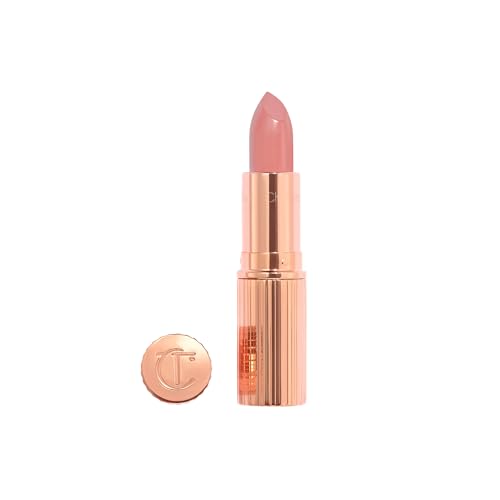 75Charlotte Tilbury Pillow Talk Lipstick
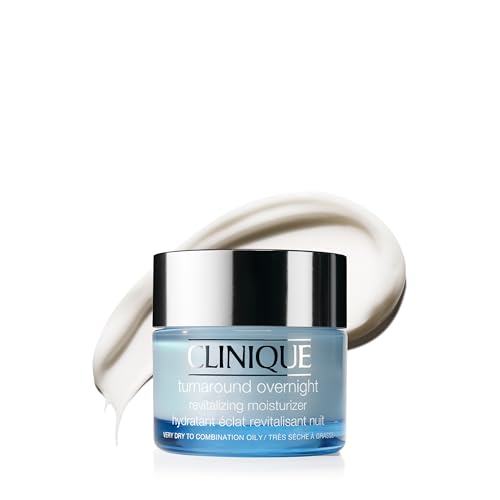 75Clinique Turnaround Overnight Revitalizing Moisturizer
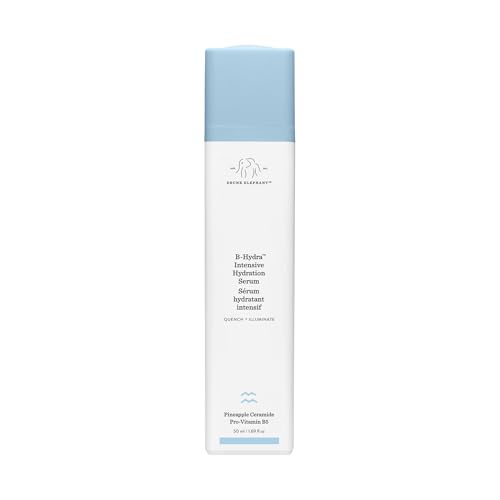 75Drunk Elephant B-Hydra Intensive Hydration SerumCompare vs Bare Minerals →All cosmetics →
How we score, every product runs through the same public 0-100 rubric based on materials, coatings, brand disclosure, lab findings, and recalls. See the full methodology → Spotted a mistake? Report an error.