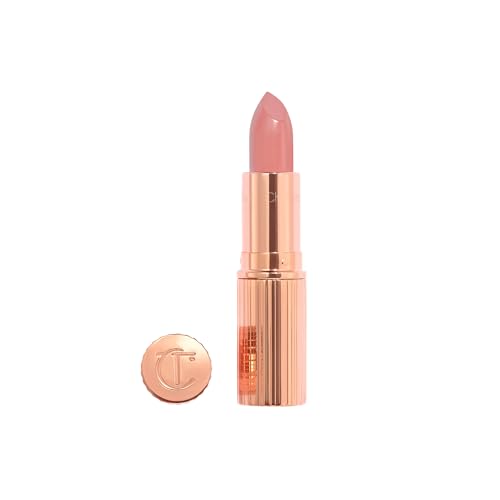
Charlotte Tilbury Pillow Talk Lipstick
Lipstick formulation shows lower PFAS concern; no public data suggests risk.
Charlotte Tilbury Pillow Talk is a conventional lipstick with waxes and oils, no known fluorinated coatings or water-repellent treatments. Standard cosmetic formulations of this type carry lower PFAS concern, though brand transparency on PFAS practices remains absent.
We flunk more products than we pass. This one earned its grade. How we grade
Material
waxes, oils, pigments, emollients
Lab data
No public lab test
You may also be interested in
Top-graded picks in the categories readers replace first, every one scored on the same rubric.

- polypropylene filter housing, carbon/sediment cartridge
- We found no PFAS statement from the brand
- Bacterial growth in spent cartridges
3 hazards checked on this product, all on its full breakdown.

Aquasure
Premier Series 75 GPD Under Sink Reverse Osmosis Water Filtration System
- RO membrane, carbon filters, stainless steel housing
- We found no PFAS statement from the brand
- Bacterial and microbial growth in housing and filters
4 hazards checked on this product, all on its full breakdown.

Avocado
Vegan Mattress
- organic cotton, natural latex, coconut coir, recycled steel coils
- The brand calls it PFAS-free, which we have not verified
- Heavy metals
2 hazards checked on this product, all on its full breakdown.
What Charlotte Tilbury Pillow Talk Lipstick is made of, ingredients and materials
Charlotte Tilbury Pillow Talk Lipstick is a wax-oil emollient formulation typical of luxury lip color products, combining natural and synthetic waxes, plant oils, and approved colorants. The waxy base (beeswax, candelilla wax, or synthetic equivalents) is inherently low-volatility and not prone to off-gassing like cream foundations or powders. Pigments in this tier of cosmetics are typically iron oxides, mica, or FD&C approved synthetic dyes rather than heavy-metal-laden lakes, though full pigment disclosures are rarely published by brands.
What’s concerning
Category baseline
The starting point for this type of product, before anything specific to this product is counted.
No PFAS disclosure
No public statement from the brand about PFAS in this product.
Fragrance allergens (synthetic or natural)
Charlotte Tilbury formulations often include fragrance compounds for sensory appeal. Ingredient lists on product packaging will disclose fragrance as a term but not individual components; individuals with fragrance sensitivity or contact dermatitis history should patch-test on lips or request full component data from the brand.
Rancidity or lipid oxidation over time
Plant-oil-based lipsticks are prone to oxidative spoilage if stored improperly or kept beyond 18 months. This does not pose acute toxicity but causes texture and scent degradation; replacement is recommended if odor or consistency shifts.
What’s reassuring
Base material not linked to PFAS
The main material recorded for this product is not one associated with PFAS.
Lead
No recalls or test data published for Charlotte Tilbury Pillow Talk lipstick involving heavy metal contamination. Luxury cosmetic brands at this price point typically source regulated colorants, but independent third-party testing is not publicly disclosed.
Source, ATSDR ↗Formaldehyde / VOCs
Formaldehyde preservatives are uncommon in modern lipstick formulations due to regulatory tightening in the EU and US. No evidence on record suggests this product contains formaldehyde donors; wax-oil bases favor alternative preservatives.
Source, ATSDR ↗Talc contamination
Charlotte Tilbury does not publicly list talc as an ingredient in Pillow Talk lipstick. Wax-based lipsticks rarely contain talc, though some brands use it as a filler or anti-caking agent in pigment blends; ingredient list should be checked at point of sale.
How is this PFAS grade calculated?
The brand's record and disclosure
Charlotte Tilbury does not publish detailed ingredient decks or third-party safety certifications on their website. The brand has no known recalls or regulatory actions on record for this product line in major markets (UK, US, EU). Their transparency around manufacturing, heavy metal testing, or allergen protocols is limited; they list fragrance and potential allergens in standard regulatory format but do not voluntarily disclose independent safety testing.
How it compares in its category
Luxury lipsticks at this price point typically share similar wax-oil bases and pose no greater inherent hazard than mass-market alternatives; formaldehyde releasers are not a standard feature of modern lipstick formulations across tiers. Charlotte Tilbury's Pillow Talk line is positioned as a premium cosmetic with no claim of natural or organic certification, which means fewer regulatory restrictions on synthetic colorants but also no marketing promise of transparency. Most competitors in the premium segment (MAC, NARS, Dior) follow the same disclosure minimalism.
If you buy it
Lipstick is a low-risk product because ingestion amounts are incidental and skin contact is on permeable mucous membrane rather than absorption-prone epidermis. Store in a cool, dry place away from heat; lipsticks can soften or separate if stored above 25°C. Replace if texture changes, color shifts, or a rancid smell develops (sign of oil oxidation), typically after 12-18 months of use. Do not heat or flame-test the product; standard cosmetic waxes have low melting points and are not designed for elevated temperatures.
What is not known about PFAS in this product?
- Basis
- Model estimate, 78% confidence, not a lab result
- Lab test
- None on record for this exact product
- Brand statement
- Charlotte Tilbury has made a specific claim
Formulations change between production runs, so check the current label. How we grade.
What are the PFAS-free alternatives to Charlotte Tilbury Pillow Talk Lipstick?
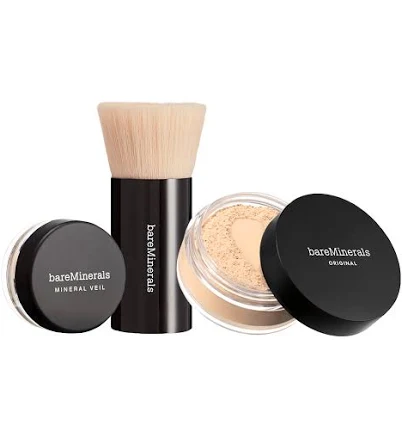
- The brand calls it PFAS-free, which we have not verified
- Lead
3 hazards checked on this product, all on its full breakdown.
More cosmetics grades
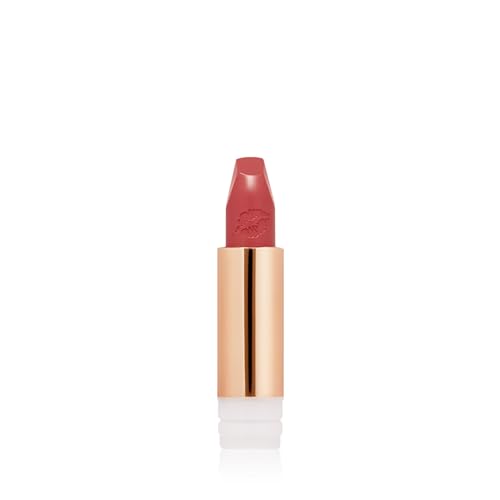 75Charlotte Tilbury Hot Lips 2 Refill
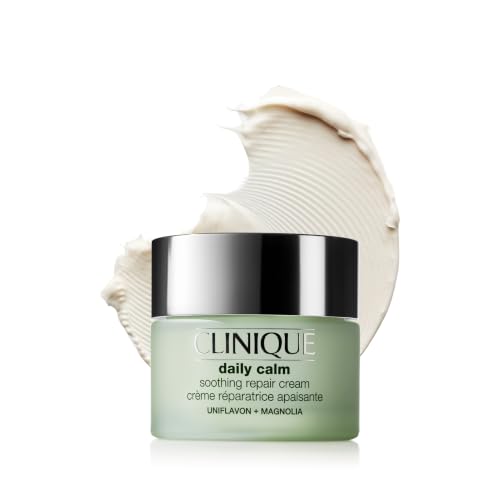 75Clinique Daily Calm Soothing Repair Face Cream
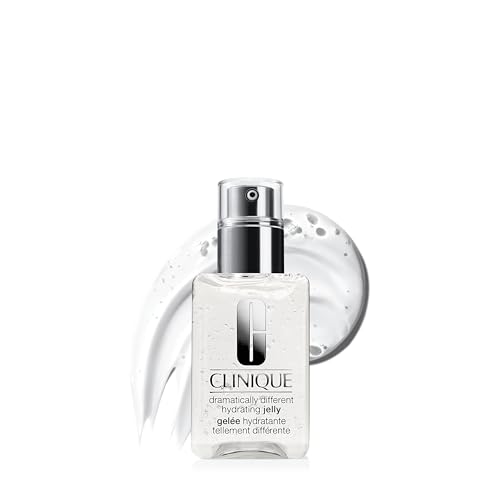 75Clinique Dramatically Different Hydrating Jelly Moisturizer
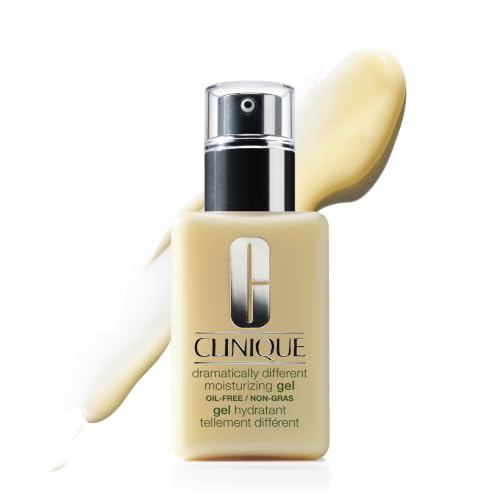 75Clinique Dramatically Different Moisturizing Gel
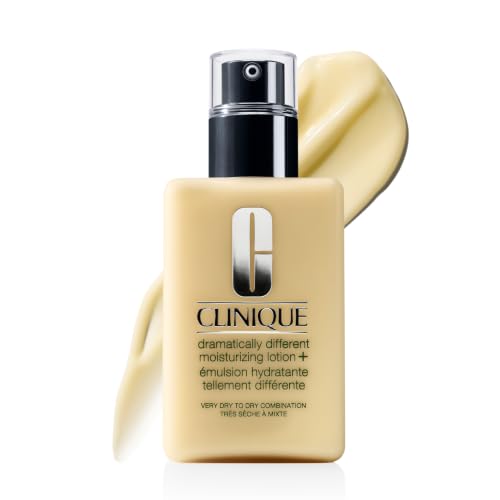 75Clinique Dramatically Different Moisturizing Lotion+
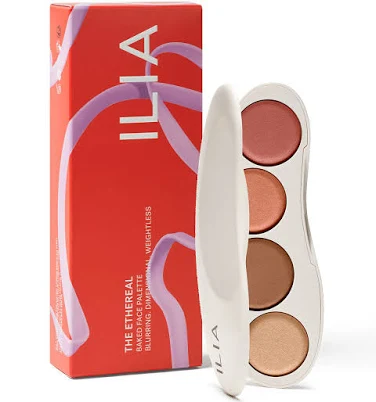 75Ilia Beauty Clean Makeup
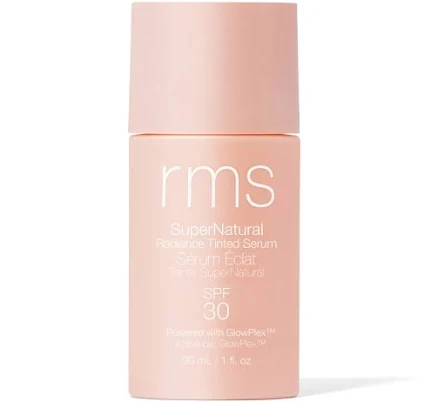 75RMS Beauty Organic Makeup
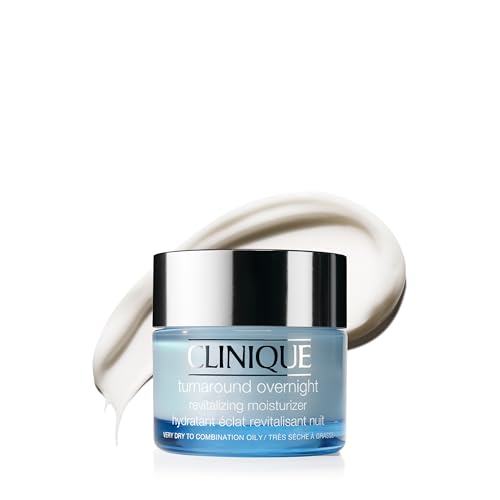 75Clinique Turnaround Overnight Revitalizing Moisturizer
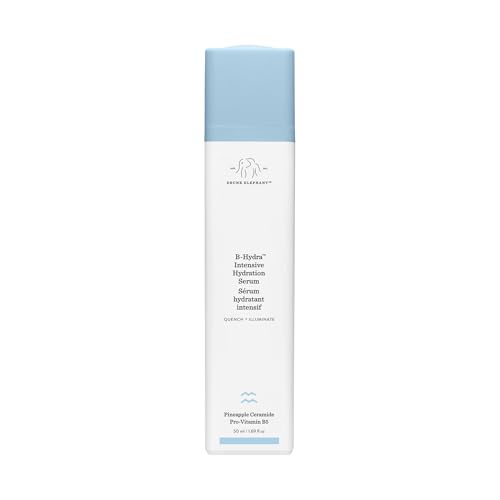 75Drunk Elephant B-Hydra Intensive Hydration Serum
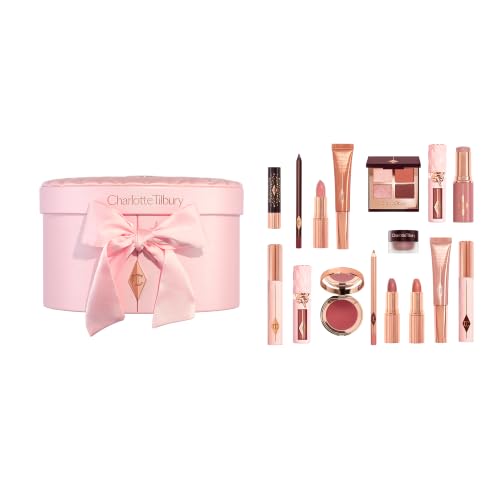 75Charlotte Tilbury Pillow Talk Dreams Come TrueCompare vs Bare Minerals →All cosmetics →
How we score, every product runs through the same public 0-100 rubric based on materials, coatings, brand disclosure, lab findings, and recalls. See the full methodology → Spotted a mistake? Report an error.