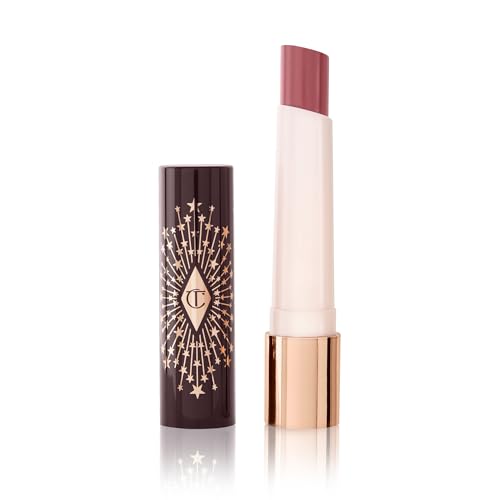
Charlotte Tilbury Hyaluronic Happikiss Lipstick
No public PFAS disclosure; lipstick risk generally lower than apparel.
Charlotte Tilbury makes no PFAS claims for this lipstick. Cosmetic lipsticks typically contain lower PFAS risk than treated textiles, but brand transparency is absent.
The better-graded swap
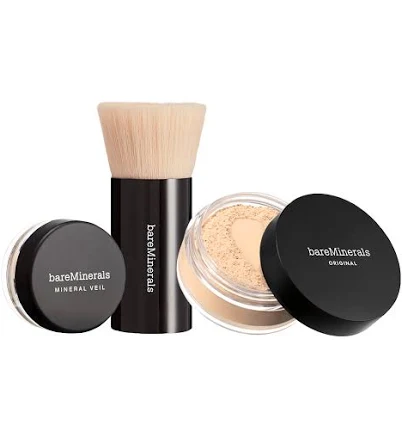
Bare Minerals
bareMinerals Mineral Makeup
100/100 safety
Same rubric that flunked this product. The swap earned Excellent.
Still want this one anyway? Check the price on Amazon. We’d swap it.
Material
wax blend, hyaluronic acid, pigments
Lab data
No public lab test
You may also be interested in
Top-graded picks in the categories readers replace first, every one scored on the same rubric.

- polypropylene filter housing, carbon/sediment cartridge
- We found no PFAS statement from the brand
- Bacterial growth in spent cartridges
3 hazards checked on this product, all on its full breakdown.

Aquasure
Premier Series 75 GPD Under Sink Reverse Osmosis Water Filtration System
- RO membrane, carbon filters, stainless steel housing
- We found no PFAS statement from the brand
- Bacterial and microbial growth in housing and filters
4 hazards checked on this product, all on its full breakdown.

Avocado
Vegan Mattress
- organic cotton, natural latex, coconut coir, recycled steel coils
- The brand calls it PFAS-free, which we have not verified
- Heavy metals
2 hazards checked on this product, all on its full breakdown.
What Charlotte Tilbury Hyaluronic Lipstick is made of, ingredients and materials
Hyaluronic Happikiss is a wax blend formulation, which is the standard base for most premium lipsticks. Wax provides occlusion and wear; hyaluronic acid is a humectant that draws moisture to lips and poses no toxicity concern at cosmetic use levels. Pigments are the primary chemical variable in lipsticks; Charlotte Tilbury does not disclose pigment sourcing or testing, which is common industry practice but limits independent verification of heavy metal content (particularly iron oxides, titanium dioxide, and mica).
What’s concerning
Category baseline
The starting point for this type of product, before anything specific to this product is counted.
No PFAS disclosure
No public statement from the brand about PFAS in this product.
Lead
Lipsticks rely on synthetic iron oxides, mica, and colorants; no third-party testing or heavy metal limits are publicly disclosed for this product. Charlotte Tilbury formulations are assumed to meet EU and US cosmetic regulations (which set limits for lead and cadmium), but independent verification is not available.
Source, ATSDR ↗Fragrance allergens
Product name and brand aesthetic suggest fragrance content; Charlotte Tilbury lipsticks typically include fragrance blends. Fragrance components are not itemized on labels; sensitized individuals may experience lip irritation, contact dermatitis, or oral mucosa reaction.
1,4-dioxane in fragrance or emulsifiers
1,4-dioxane is a manufacturing byproduct in some synthetic fragrance components and polyethylene-based emulsifiers. Charlotte Tilbury does not disclose fragrance sourcing or emulsifier purification; risk aligns with industry standard cosmetic practices but cannot be ruled out without manufacturer testing data.
What’s reassuring
Formaldehyde / VOCs
No formaldehyde-releaser compounds (e.g., DMDM hydantoin, quaternium-15) are listed in available ingredient disclosures. Wax-based formulations typically do not require these preservatives, lowering concern.
Source, ATSDR ↗Talc contamination
This product is a pigmented wax; no talc is listed or implied in the formulation. Talc is not a standard ingredient in premium lipsticks and is not a concern for this product.
How is this PFAS grade calculated?
The brand's record and disclosure
Charlotte Tilbury does not publish safety data sheets, ingredient sourcing transparency, or third-party testing results for this product on public channels. The brand has no known regulatory actions, recalls, or formaldehyde-releaser accusations tied to lipsticks. Disclosure on heavy metals, azo dye avoidance, or cosmetic-grade pigment compliance is silent, which reflects industry norm but leaves ingredient safety verification to brand reputation and regulatory compliance assumptions.
How it compares in its category
Wax-based lipsticks are the conventional matrix; this sits in the premium cosmetic tier where formulation oversight typically matches or exceeds budget alternatives. Lipsticks carry lower inherent risk than pressed powders or mascaras because they are applied topically to lips (lower absorption than eye area) and used in small quantities. Hyaluronic acid is a low-concern moisturizing agent; no established hazard separates this product from competitors in its price tier.
If you buy it
Store at room temperature away from direct heat; wax formulations can soften or bloom in high temperatures above 75 degrees Fahrenheit. Replace after 2 years or if scent, color, or texture changes noticeably. Discontinue use if lip irritation, swelling, or rash develops; fragrance and synthetic dyes are common sensitizers in cosmetics. Patch test on inner lip if you have a history of cosmetic sensitivities.
What is not known about PFAS in this product?
- Basis
- Model estimate, 35% confidence, not a lab result
- Lab test
- None on record for this exact product
- Brand statement
- Charlotte Tilbury has made a specific claim
Formulations change between production runs, so check the current label. How we grade.
What are the PFAS-free alternatives to Charlotte Tilbury Hyaluronic Happikiss Lipstick?
- The brand calls it PFAS-free, which we have not verified
- Lead
3 hazards checked on this product, all on its full breakdown.
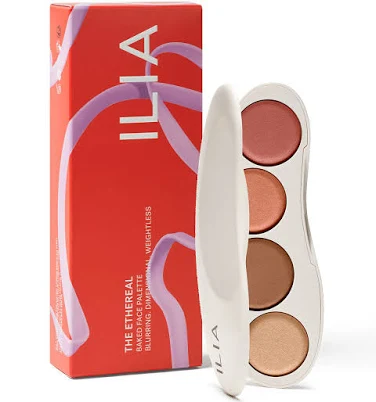
- We found no PFAS statement from the brand
- Heavy metals
2 hazards checked on this product, all on its full breakdown.
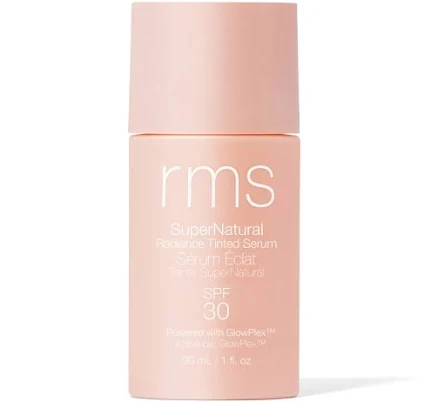
- We found no PFAS statement from the brand
- Fragrance allergens and essential oils
2 hazards checked on this product, all on its full breakdown.
More cosmetics grades
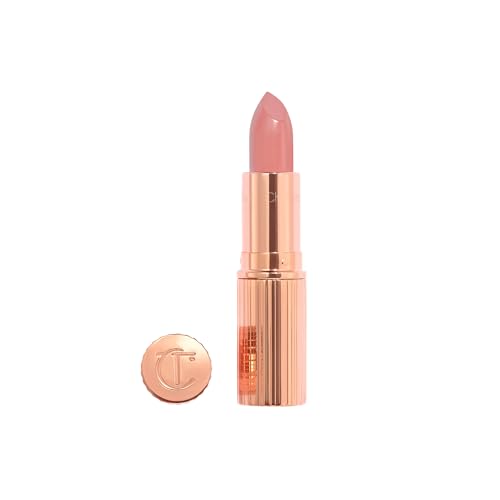 75Charlotte Tilbury Pillow Talk Lipstick
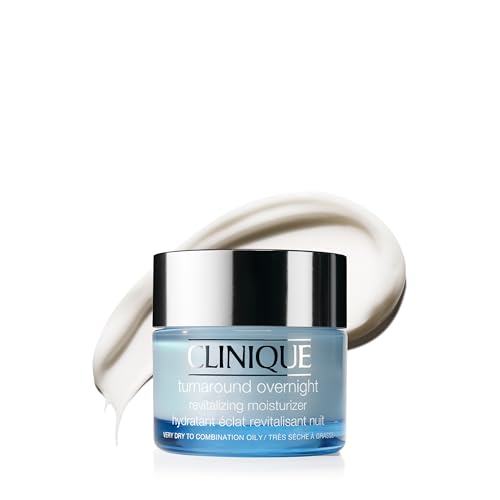 75Clinique Turnaround Overnight Revitalizing Moisturizer
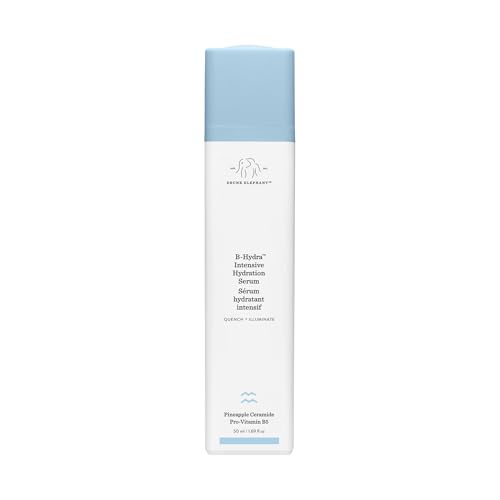 75Drunk Elephant B-Hydra Intensive Hydration Serum
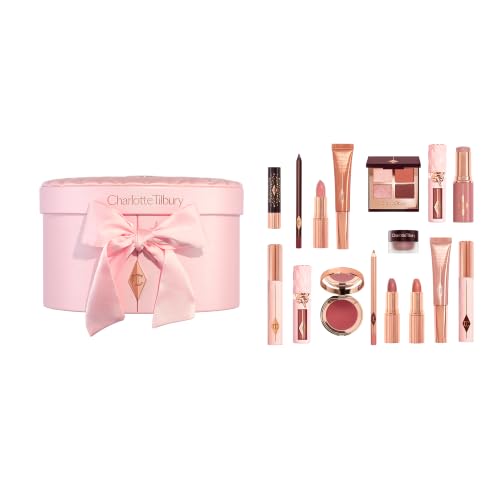 75Charlotte Tilbury Pillow Talk Dreams Come True
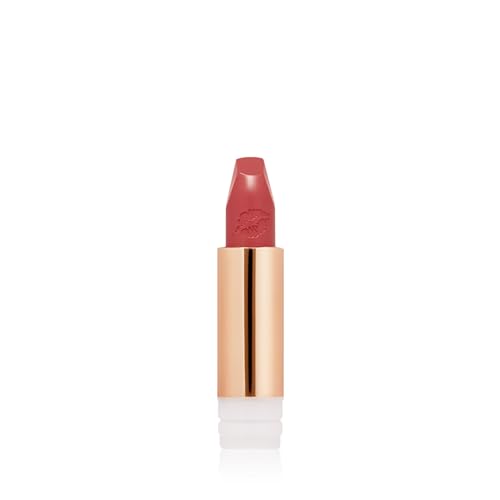 75Charlotte Tilbury Hot Lips 2 Refill
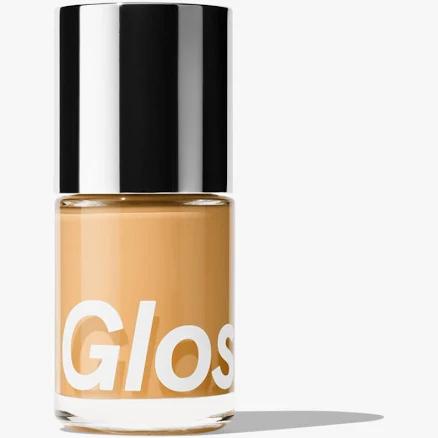 65Glossier Makeup
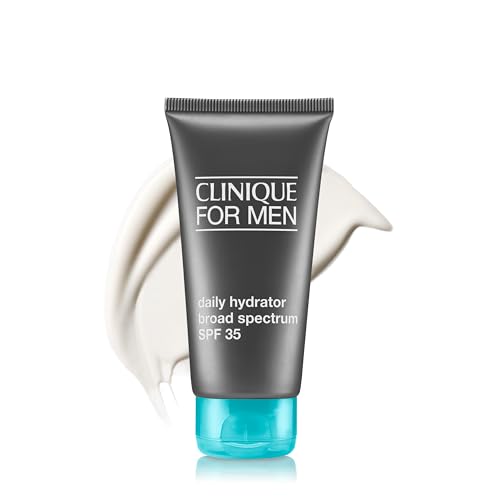 65Clinique For Men Daily Hydrator Broad Spectrum SPF 35 Moisturizer
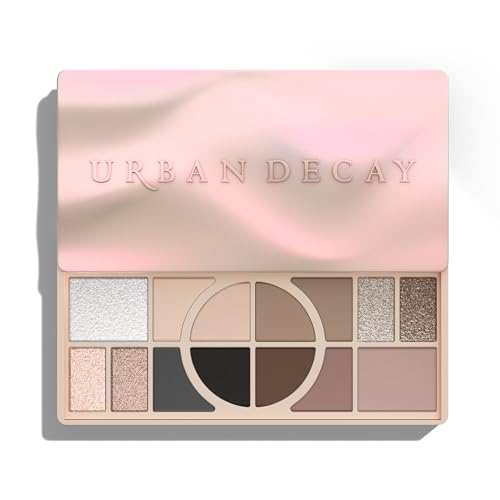 65Urban Decay Naked Shaped Multi-tasking Eyeshadow Palette Cool
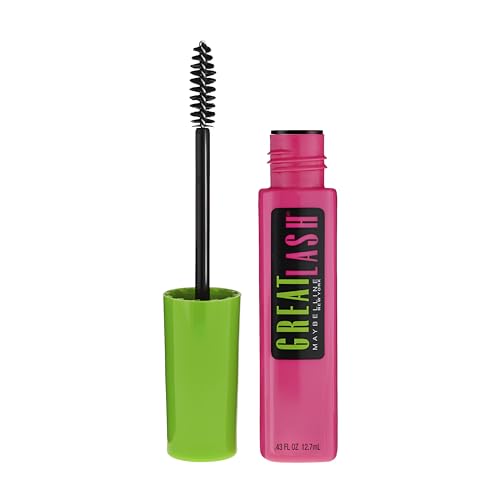 65Maybelline Great Lash Washable Mascara
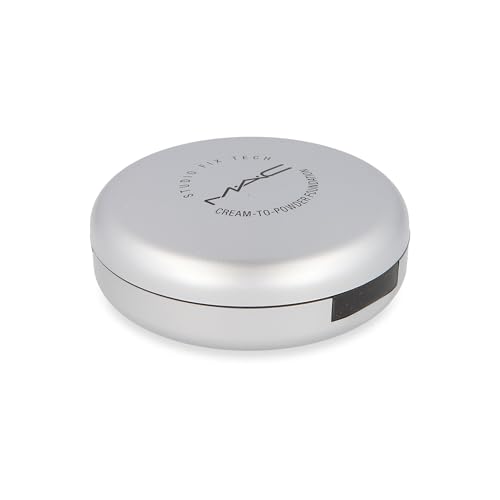 65MAC Studio Fix Tech Cream-To-Powder FoundationCompare vs Bare Minerals →All cosmetics →
How we score, every product runs through the same public 0-100 rubric based on materials, coatings, brand disclosure, lab findings, and recalls. See the full methodology → Spotted a mistake? Report an error.