Circulon · Non-Stick Kitchen Gadgets
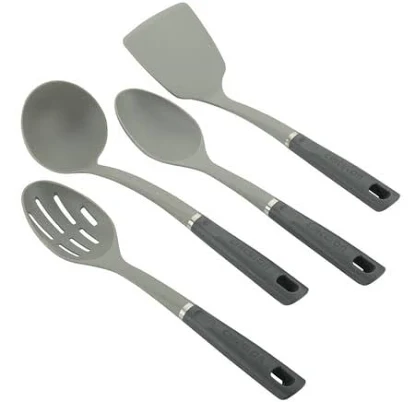
Circulon 4-Piece Nylon Tool Set
Nylon tools have moderate PFAS uncertainty. Avoid if you're concerned.
Circulon's nylon tools may or may not contain PFAS based on how they're made. The brand stays silent on PFAS content.
The better-graded swap
Our Place
Our Place Essential Utensil Set
90/100 safety
Same rubric that flunked this product. The swap earned Excellent.
Still want this one anyway? Check the price on Amazon. We’d swap it.
Material
Nylon utensils, nonmetal cookware tools
Lab data
No public lab test
Is Circulon 4-Piece Nylon Tool Set non-toxic? What it is made of
Circulon's nylon tool set consists of heat-resistant polymer utensils (spatulas, spoons, etc.) designed for non-stick cookware. Nylon is a synthetic polymer that does not leach metals or ceramics when used at normal cooking temperatures. The primary concern with nylon is not the material itself in use, but PFAS (PFAS "forever chemicals") sometimes added during manufacturing to improve non-stick or water-resistant properties of the polymer or its surface treatment. Circulon does not publicly disclose whether PFAS was used in production of these tools.
What’s concerning
Category baseline
The starting point for this type of product, before anything specific to this product is counted.
No PFAS disclosure
No public statement from the brand about PFAS in this product.
PFAS
Nylon utensils may contain PFAS added during manufacturing for water or stain resistance. Circulon's parent company uses Teflon-type coating in cookware but does not publicly confirm PFAS use in plastic tool lines; this opacity prevents definitive assessment.
Source, ATSDR ↗Thermal degradation and volatile release
Nylon begins to soften and degrade above 400-500°F. Prolonged exposure to high heat (e.g., leaving in a hot pan) can release monomers and oligomers; this risk is low in normal use but increases with abuse or dishwasher cycling.
Polymer leaching from wear and degradation
Nylon particles or oligomers may leach into food over extended use if the tool surface becomes scratched or brittle. Risk is minimal with proper care but increases as the product ages or if exposed to repeated high-temperature stress.
Mold or bacterial growth in tool storage
Nylon's porous structure can trap moisture and food residue if not thoroughly dried, particularly in utensil designs with crevices or hollow handles. Not a direct material hazard but a use-dependent hygiene risk.
What’s reassuring
Base material not linked to PFAS
The main material recorded for this product is not one associated with PFAS.
Heavy metals
No recalls or documented cases of heavy metal contamination in Circulon nylon utensils have been identified. Colored nylon shows lower concern if manufactured to standard polymer guidelines.
Source, FDA ↗The full breakdown
The brand's record and disclosure
Circulon, owned by Groupe SEB, makes cookware and kitchen tools but has not issued a public statement on PFAS avoidance or phase-out for utensil lines. The brand has faced scrutiny over PFAS in non-stick cookware (notably Teflon-type coating pans), but disclosure for lower-temperature plastic tools is minimal. No major recalls or safety violations have been documented for Circulon nylon utensils themselves. The lack of transparency is notable compared to competitors offering PFAS-free certifications.
How it compares in its category
Nylon utensil sets are standard and widely used for cookware when kept below approximately 400-500°F. Circulon's pricing and quality are mid-range; comparable alternatives include Oxo, Calphalon, and store brands, many of which similarly do not disclose PFAS status. Wooden, stainless steel, and silicone utensils carry different (generally lower) chemical uncertainty but may wear faster or perform differently on non-stick surfaces. Wood and metal avoid polymer uncertainty entirely but risk damaging non-stick cookware.
If you buy it
Do not use nylon tools above 500°F; excessive heat can degrade the polymer and release volatile compounds. Hand wash rather than expose to high dishwasher temperatures, as thermal stress accelerates degradation. Replace utensils if discoloration, brittleness, or surface cracks appear, as these indicate breakdown of the polymer matrix. If PFAS exposure is a priority concern, contact Circulon directly for manufacturing details or consider wood or stainless alternatives; absence of a public PFAS-free claim suggests the company has not committed to elimination.
What we don’t know
- Basis
- Model estimate, 62% confidence, not a lab result
- Lab test
- None on record for this exact product
- Brand statement
- Circulon has made a specific claim
Formulations change between production runs, so check the current label. How we grade.
Better-graded alternatives in Non-Stick Kitchen Gadgets
Our Place
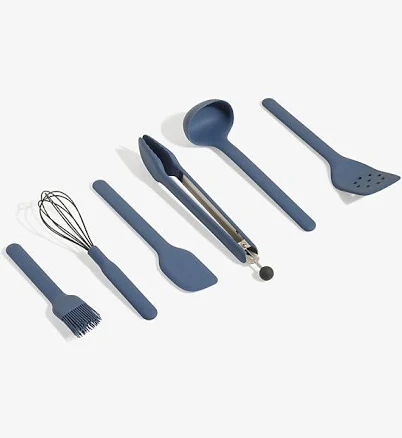
Utensil Essentials 6-Piece Silicone Utensil Set
- Silicone utensils, no coating
- The brand calls it PFAS-free, which we have not verified
- Microplastic generation
2 hazards checked on this product. See all of them.
Our Place
Essential Utensil Set
- Stainless steel utensils
- The brand calls it PFAS-free, which we have not verified
- Nickel leaching from stainless steel
2 hazards checked on this product. See all of them.
Our Place
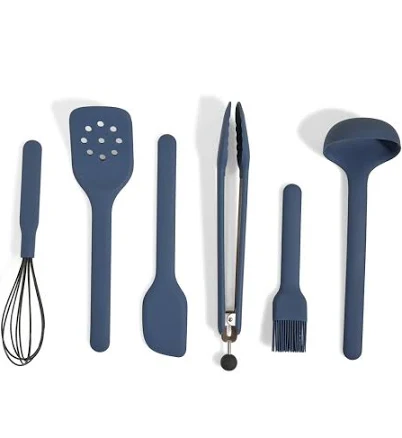
Utensil Essentials Set
- Stainless steel utensils, material unclear
- The brand calls it PFAS-free, which we have not verified
- Handle material degradation (if present)
2 hazards checked on this product. See all of them.
More non-stick kitchen gadgets grades
How we score, every product runs through the same public 0-100 rubric based on materials, coatings, brand disclosure, lab findings, and recalls. See the full methodology → Spotted a mistake? Report an error.