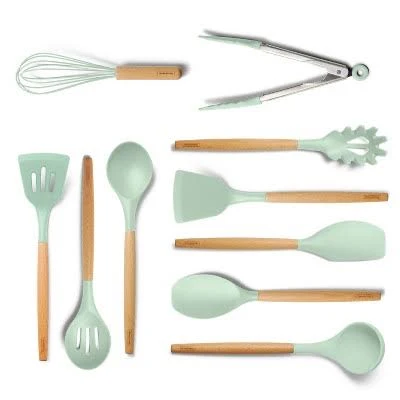
Tramontina · Non-Stick Kitchen Gadgets
Tramontina 10pc Silicone Utensil Set
Lower concern. Material as recorded is not linked to PFAS.
Food-grade silicone utensils have no coating on record. Silicone is not a material linked to PFAS. Tramontina has no PFAS statement on record.
The better-graded swap
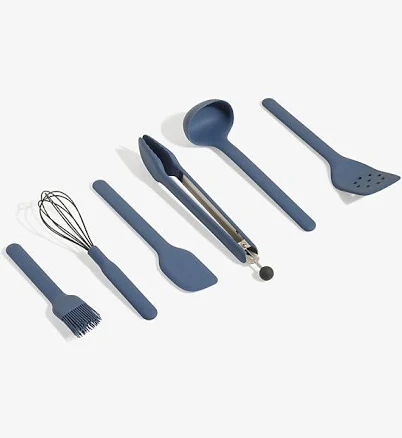
Our Place
Our Place Utensil Essentials 6-Piece Silicone Utensil Set
90/100 safety
Same rubric that flunked this product. The swap earned Excellent.
Still want this one anyway? Check the price on Amazon. We’d swap it.
Material
Food-grade silicone utensils
Lab data
No public lab test
Is Tramontina 10pc Silicone Utensil Set non-toxic? What it is made of
Tramontina's silicone utensils are composed of synthetic silicone polymer, a rubber-like material approved by FDA for food contact. Unlike ceramic-coated or non-stick metal cookware, silicone does not degrade into harmful particulates when heated to normal cooking temperatures and does not require protective coatings that can flake or leach. The material is non-porous, so it resists bacterial colonization better than wood or bamboo alternatives.
What’s concerning
Category baseline
The starting point for this type of product, before anything specific to this product is counted.
No PFAS disclosure
No public statement from the brand about PFAS in this product.
Thermal stability and leaching at high heat
Food-grade silicone is stable up to 400-600F in most formulations, but prolonged exposure to oils or prolonged high heat may cause minor oligomer migration. This risk remains far below that of degrading non-stick coatings, and no health threshold violations have been documented in published studies of normal cooking use.
Odor and color absorption
Silicone's porous structure can absorb cooking oils, spices, and colors permanently over time, particularly from tomato-based dishes or turmeric. While this is a sensory/aesthetic issue rather than a safety hazard, it may indicate subtle polymer degradation and can limit product lifespan.
Manufacturing impurities in low-cost silicone
Low-cost silicone utensils may retain trace amounts of unreacted monomers (siloxanes) or industrial contaminants from synthesis. Tramontina meets FDA standards, but the brand does not publicly specify third-party testing for residual monomers or heavy metal catalysts used in polymerization.
What’s reassuring
Base material not linked to PFAS
The main material recorded for this product is not one associated with PFAS.
Lead
Tramontina silicone utensil sets typically use FDA-compliant colorants, and no recalls for heavy metal contamination exist on record. However, the brand does not explicitly certify pigment sourcing, so risk cannot be fully excluded for budget-tier colored variants.
Source, ATSDR ↗Bacterial or mold growth in crevices
Silicone is non-porous and resists microbial adhesion better than wood or bamboo. Risk of bacterial colonization is minimal if utensils are dried promptly after washing and stored in a dry environment.
The full breakdown
The brand's record and disclosure
Tramontina (owned by Grupo SEB) manufactures primarily in Brazil and maintains FDA food-contact compliance certifications but publishes minimal material transparency on their utensil lines. The brand has no documented safety recalls for silicone utensils in major databases. However, the company does not proactively disclose manufacturing or material sourcing details, which limits independent verification of production standards beyond regulatory minimum thresholds.
How it compares in its category
Silicone utensils show lower concern than metal utensils with non-stick Teflon-type coating coatings (which risk fume release if overheated) and ceramic or enamel-coated cookware (which may contain lead in glazes). They are less chemically inert than stainless steel but pose fewer leaching or degradation hazards. Heat tolerance typically maxes around 400-600 degrees F depending on formulation, which covers most stovetop cooking but not broiler use.
If you buy it
Use silicone utensils on non-stick surfaces to avoid scratching your cookware, and avoid prolonged contact with oils above 350 degrees F to prevent slight softening. Hand-wash rather than dishwasher to extend lifespan; silicone can absorb odors from high-temperature cycles. Replace utensils if discoloration, tackiness, or brittleness develops, as these indicate polymer degradation. Store away from direct sunlight, which can degrade silicone over 3-5 years.
What we don’t know
- Basis
- Model estimate, 82% confidence, not a lab result
- Lab test
- None on record for this exact product
- Brand statement
- Tramontina has made a specific claim
Formulations change between production runs, so check the current label. How we grade.
Better-graded alternatives in Non-Stick Kitchen Gadgets
Our Place
Utensil Essentials 6-Piece Silicone Utensil Set
- Silicone utensils, no coating
- The brand calls it PFAS-free, which we have not verified
- Microplastic generation
2 hazards checked on this product. See all of them.
Our Place
Essential Utensil Set
- Stainless steel utensils
- The brand calls it PFAS-free, which we have not verified
- Nickel leaching from stainless steel
2 hazards checked on this product. See all of them.
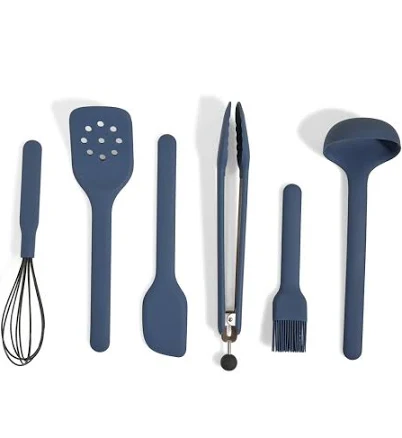
Our Place
Utensil Essentials Set
- Stainless steel utensils, material unclear
- The brand calls it PFAS-free, which we have not verified
- Handle material degradation (if present)
2 hazards checked on this product. See all of them.
More non-stick kitchen gadgets grades
How we score, every product runs through the same public 0-100 rubric based on materials, coatings, brand disclosure, lab findings, and recalls. See the full methodology → Spotted a mistake? Report an error.