OXO · Non-Stick Kitchen Gadgets
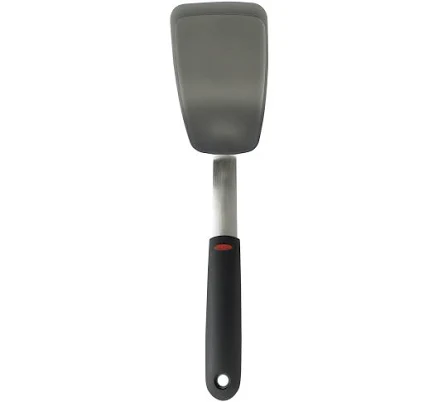
OXO Silicone Flex Turner
Lower concern. Silicone turner has no material linked to PFAS.
The material as recorded is silicone, not a material linked to PFAS. The brand has no PFAS statement on record. No coating or water-repellent finish is on record for this product.
The better-graded swap
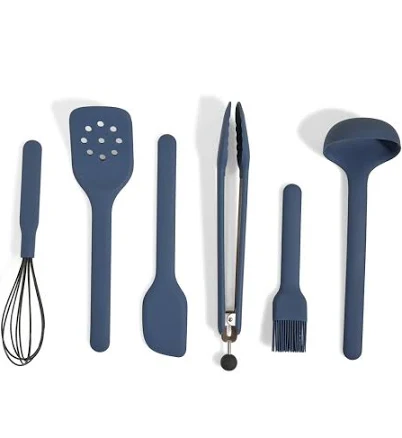
Our Place
Our Place Utensil Essentials Set
90/100 safety
Same rubric that flunked this product. The swap earned Excellent.
Still want this one anyway? Check the price on Amazon. We’d swap it.
Material
silicone
Lab data
No public lab test
Is OXO Silicone Flex Turner non-toxic? What it is made of
The OXO Silicone Flex Turner is made from food-grade silicone, a synthetic rubber polymer that does not contain ceramic glazes, enamel coatings, or traditional non-stick layers like Teflon-type coating. Silicone is thermally stable and chemically inert at normal cooking temperatures (up to approximately 400-450 degrees Fahrenheit, depending on the specific formulation). Unlike metal or ceramic cookware, silicone kitchen utensils do not leach metals or degrade through thermal cycling in ways that pose acute food-contact risk.
What’s concerning
Category baseline
The starting point for this type of product, before anything specific to this product is counted.
No PFAS disclosure
No public statement from the brand about PFAS in this product.
Silicone degradation at high temperature
Silicone can soften or degrade above 450 degrees Fahrenheit, but food-contact leaching from a turner under normal cooking conditions is not documented. Prolonged exposure to direct flame or oven use above the product's rated limit may increase risk.
Volatile off-gassing
New silicone products may emit a subtle odor (from residual monomers or manufacturing solvents) during initial use or heating. This is generally harmless, diminishes quickly, and is not specific to OXO. Rinsing and airing the turner before first use can reduce odor perception.
What’s reassuring
Base material not linked to PFAS
The main material recorded for this product is not one associated with PFAS.
Bacterial growth in crevices
Silicone is non-porous and non-reactive, making it hostile to bacterial colonization. The OXO Flex Turner's design minimizes deep crevices, reducing any theoretical harbor for microbial growth compared to wooden utensils.
Leaching from silicone itself
Food-grade silicone does not leach BPA, phthalates, or other endocrine disruptors under normal cooking and storage conditions. No recalls or adverse reports exist for OXO silicone kitchen utensils related to leaching.
Coating or glaze hazards
This product has no ceramic glaze, enamel, or metal coating that could contain lead, cadmium, or other contaminants. Silicone is the sole active material in contact with food.
The full breakdown
The brand's record and disclosure
OXO is owned by Helen of Troy Limited and has a long track record of consumer-grade kitchen products with no major safety recalls or persistent chemical controversies on file. The brand does not publicly disclose detailed material safety data sheets for individual utensils, nor does it advertise specific certifications (such as BPA-free labeling) for this turner. This silence does not indicate a problem, but reflects the low regulatory attention paid to kitchen utensils compared to food-storage containers and cookware.
How it compares in its category
Silicone turners show lower concern compared to nylon, melamine, or wood alternatives, which present documented risks of bacterial harborage or plasticizer leaching. Metal turners pose no chemical risk but can scratch non-stick cookware. Silicone avoids both hazards, it is inert, non-reactive with acidic foods, and gentle on coated surfaces. The OXO version is mid-range in durability and price, comparable to other silicone utensils from OXO's competitors.
If you buy it
Use the turner up to its labeled heat limit (typically 400-450 degrees Fahrenheit); exposure to direct flame or temperatures above that can cause silicone to degrade and potentially release volatiles, though food contact risk remains minimal. Hand wash or place on the top rack of a dishwasher to avoid high-heat drying cycles that unnecessarily stress the material. Replace the turner if it becomes discolored, develops an off-odor, or shows visible tears or cracking. Store away from direct sunlight to slow aging.
What we don’t know
- Basis
- Model estimate, 82% confidence, not a lab result
- Lab test
- None on record for this exact product
- Brand statement
- OXO has made a specific claim
Formulations change between production runs, so check the current label. How we grade.
Better-graded alternatives in Non-Stick Kitchen Gadgets
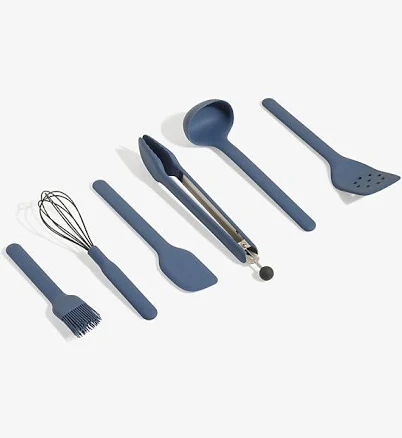
Our Place
Utensil Essentials 6-Piece Silicone Utensil Set
- Silicone utensils, no coating
- The brand calls it PFAS-free, which we have not verified
- Microplastic generation
2 hazards checked on this product. See all of them.
Our Place
Essential Utensil Set
- Stainless steel utensils
- The brand calls it PFAS-free, which we have not verified
- Nickel leaching from stainless steel
2 hazards checked on this product. See all of them.
Our Place
Utensil Essentials Set
- Stainless steel utensils, material unclear
- The brand calls it PFAS-free, which we have not verified
- Handle material degradation (if present)
2 hazards checked on this product. See all of them.
More non-stick kitchen gadgets grades
How we score, every product runs through the same public 0-100 rubric based on materials, coatings, brand disclosure, lab findings, and recalls. See the full methodology → Spotted a mistake? Report an error.