Le Creuset · Non-Stick Kitchen Gadgets
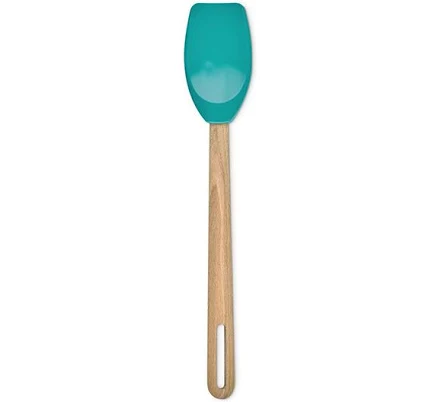
Le Creuset Signature Silicone Spatula Spoon, Is It Non-Toxic?
Lower concern. Silicone material recorded with no nonstick coating.
Material as recorded is silicone without a nonstick coating. Silicone is not a material linked to PFAS. Le Creuset has no PFAS statement on record for this product.
The better-graded swap
Our Place
Our Place Essential Utensil Set
90/100 safety
Same rubric that flunked this product. The swap earned Excellent.
Still want this one anyway? Check the price on Amazon. We’d swap it.
Material
silicone (no nonstick coating)
Lab data
No public lab test
You may also be interested in
Top-graded picks in the categories readers replace first, every one scored on the same rubric.

- polypropylene filter housing, carbon/sediment cartridge
- We found no PFAS statement from the brand
- Bacterial growth in spent cartridges
3 hazards checked on this product, all on its full breakdown.

Aquasure
Premier Series 75 GPD Under Sink Reverse Osmosis Water Filtration System
- RO membrane, carbon filters, stainless steel housing
- We found no PFAS statement from the brand
- Bacterial and microbial growth in housing and filters
4 hazards checked on this product, all on its full breakdown.

Avocado
Vegan Mattress
- organic cotton, natural latex, coconut coir, recycled steel coils
- The brand calls it PFAS-free, which we have not verified
- Heavy metals
2 hazards checked on this product, all on its full breakdown.
Is Le Creuset Signature Spatula Spoon non-toxic? What it is made of
Le Creuset Signature Silicone Spatulas are made from food-grade silicone, a synthetic rubber polymer that does not contain Teflon-type coating nonstick coatings. Silicone is inherently non-stick and chemically inert at typical cooking temperatures (up to 400-500°F depending on formulation), meaning it does not degrade into fumes or leach into food under normal use. Unlike metal or ceramic-coated utensils, silicone carries no risk of metal oxide coating flaking or leaching from glazes.
What’s concerning
Category baseline
The starting point for this type of product, before anything specific to this product is counted.
No PFAS disclosure
No public statement from the brand about PFAS in this product.
Silicone polymer degradation at high heat
While food-grade silicone is stable below 400-500°F, sustained exposure to high temperatures or near-flame contact could theoretically initiate slow polymer breakdown. No acute toxicity events are documented for Le Creuset silicone spatulas, but respecting temperature limits prevents any risk.
Bacterial growth in crevices or degraded material
Like any utensil, a silicone spatula with tears, deep stains, or worn texture can harbor bacteria if not cleaned thoroughly. This is a maintenance issue, not an inherent material hazard, and is minimized by regular hand washing and replacement when worn.
What’s reassuring
Base material not linked to PFAS
The main material recorded for this product is not one associated with PFAS.
Contaminant leaching from filler or pigment additives
Food-grade silicone used by major manufacturers is formulated to avoid heavy metal pigments and toxic fillers. No recalls or safety warnings exist for Le Creuset silicone utensils. Standard industry practice ensures minimal leaching risk for this product category.
Coating flaking or metal migration (if any hybrid design)
Pure silicone spatulas do not use enamel, glaze, or nonstick coatings and therefore carry no risk of coating degradation or metal leaching. Le Creuset Signature line is solid silicone, eliminating this hazard class entirely.
How is this PFAS grade calculated?
The brand's record and disclosure
Le Creuset is a premium cookware manufacturer with decades of market presence and no documented product recalls for silicone utensils. The brand does not publicly disclose detailed PFAS or additive testing for this specific product line, which is typical for established kitchenware makers but limits transparency. No major safety controversies or regulatory actions are on record for Le Creuset silicone cookware accessories, and the company maintains ISO and FDA compliance certifications for food-contact materials.
How it compares in its category
Silicone spatulas present lower concern compared to nonstick-coated alternatives (which carry Teflon-type coating/PFOA risk), metal utensils (which can scratch cookware), or wood (which absorbs and harbors bacteria). Le Creuset's silicone offering is priced at the premium end of the silicone spatula market but includes longer-term durability guarantees. Most mainstream silicone spatulas carry similar chemical profiles; Le Creuset's advantage lies in design and build quality rather than a superior safety profile.
If you buy it
Use the spatula below its rated heat limit (typically 400-500°F) to avoid any potential polymer breakdown; hand wash rather than expose to high dishwasher heat cycles if longevity is a priority. Inspect regularly for discoloration, odor, or stickiness that could indicate degradation, though this is rare with quality silicone. Replace if the material becomes tacky, cracked, or stained with persistent food residue. Store in a cool, dry place away from direct sunlight, which can degrade silicone over years of use.
What is not known about PFAS in this product?
- Basis
- Model estimate, 82% confidence, not a lab result
- Lab test
- None on record for this exact product
- Brand statement
- Le Creuset has made a specific claim
Formulations change between production runs, so check the current label. How we grade.
What are the PFAS-free alternatives to Le Creuset Signature Silicone Spatula Spoon?
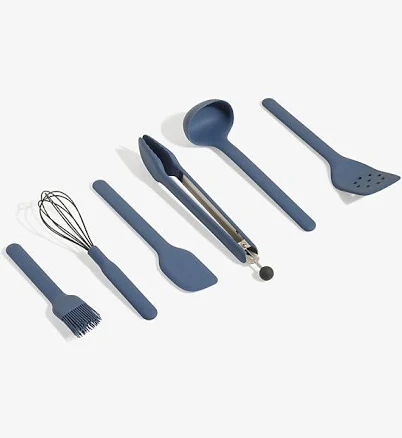
- Silicone utensils, no coating
- The brand calls it PFAS-free, which we have not verified
- Microplastic generation
2 hazards checked on this product, all on its full breakdown.
- Stainless steel utensils
- The brand calls it PFAS-free, which we have not verified
- Nickel leaching from stainless steel
2 hazards checked on this product, all on its full breakdown.
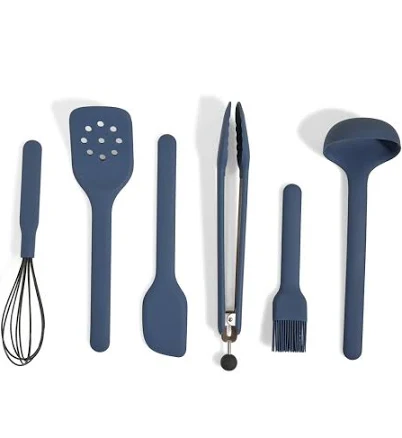
- Stainless steel utensils, material unclear
- The brand calls it PFAS-free, which we have not verified
- Handle material degradation (if present)
2 hazards checked on this product, all on its full breakdown.
More non-stick kitchen gadgets grades
How we score, every product runs through the same public 0-100 rubric based on materials, coatings, brand disclosure, lab findings, and recalls. See the full methodology → Spotted a mistake? Report an error.