Circulon · Non-Stick Kitchen Gadgets
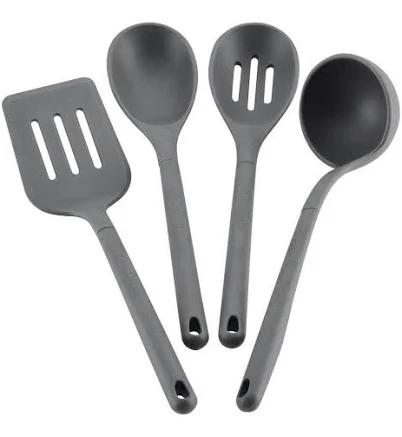
Circulon 4-Piece Silicone Cooking & Kitchen Tools Set
Silicone with no coating described, and no PFAS statement from the brand.
The product information we reviewed describes silicone kitchen tools, with no applied coating named. Silicone releases food on its own, so a non-stick claim on a silicone product describes the material rather than a coating. The brand has published no PFAS statement for it.
The better-graded swap
Our Place
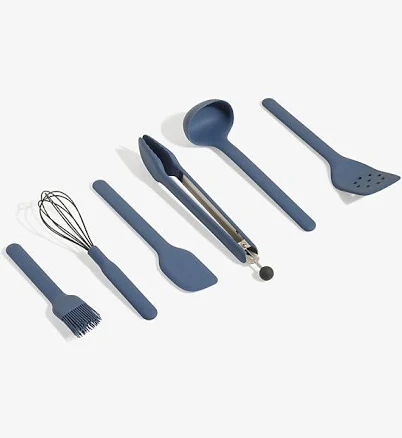
Our Place Utensil Essentials 6-Piece Silicone Utensil Set
90/100 safety
Same rubric that flunked this product. The swap earned Excellent.
Still want this one anyway? Check the price on Amazon. We’d swap it.
Material
Silicone kitchen tools
Lab data
No public lab test
Is Circulon 4-Piece Silicone Cooking non-toxic? What it is made of
This set consists of silicone kitchen utensils (spatulas, spoons, etc.), a polymer material synthesized from silicon and oxygen chains rather than petroleum-based plastics. Silicone is inherently non-toxic at typical kitchen temperatures because its molecular backbone does not break down into harmful monomers like BPA or phthalates do under heat or acidic conditions. The product carries a PFAS grade of 65/100 with no PFAS-containing coating described, meaning the silicone itself is not engineered with water-repellent chemicals.
What’s concerning
Category baseline
The starting point for this type of product, before anything specific to this product is counted.
No PFAS disclosure
No public statement from the brand about PFAS in this product.
Silicone degradation and leaching under extreme heat
While food-grade silicone is stable at normal cooking temperatures (up to 400-500F), prolonged exposure to temperatures above 600F or repeated heating to the upper limit may cause silicone to degrade and release breakdown products. This product's specific heat tolerance should be confirmed on the packaging or manufacturer website.
Colorant migration (dyes in silicone)
Silicone utensils are often pigmented with synthetic dyes or colorants. While FDA-compliant dyes for silicone are generally recognized as safe, no public safety data specific to Circulon's colorant formulation is available. Risk increases if utensils are used with acidic or fatty foods at high temperatures.
What’s reassuring
Base material not linked to PFAS
The main material recorded for this product is not one associated with PFAS.
Bacterial growth in surface defects
Silicone can develop microscopic cracks and pits over time that harbor bacteria if not dried thoroughly after washing. This is a maintenance issue rather than a manufacturing defect, managed by proper cleaning and air-drying.
Contaminants from silicone manufacturing (residual catalysts)
Food-grade silicone is required to meet FDA standards for residual catalysts and uncrosslinked oligomers; no recalls or testing failures for Circulon silicone utensils have been documented. Brand manufacturing oversight is not publicly transparent.
Loss of non-stick properties and utensil sticking to cookware
This is a performance issue, not a safety hazard. Older or damaged silicone utensils may leave slight residue on non-stick cookware surfaces; replacement restores function.
The full breakdown
The brand's record and disclosure
Circulon, owned by Groupe SEB, is primarily known for non-stick cookware rather than utensil manufacturing, but maintains no publicly recorded PFAS statements or certifications specific to this tool set. The brand has not issued recalls or safety warnings for silicone utensil leaching in established databases. Circulon's silence on PFAS and material transparency is typical for this product category, where silicone is chosen precisely to avoid the Teflon-type coating/PFOA controversies of non-stick cookware.
How it compares in its category
Silicone kitchen tools are a mainstream alternative to wooden utensils (which can harbor bacteria) and metal utensils (which scratch non-stick cookware), with lower concern for certain types of damage. Unlike plastic utensils, silicone resists staining, odor absorption, and does not leach BPA when heated to typical cooking temperatures. Most competitors in this category (OXO, Oxo Good Grips, Kuhn Rikon) use similar food-grade silicone formulations with no significant safety differentiation.
If you buy it
Hand wash or place on top rack of dishwasher to extend silicone life; avoid prolonged direct contact with open flame. Replace utensils if silicone becomes sticky, discolored beyond normal staining, or develops visible cracks, which indicate aging. Store in a cool, dry place away from direct sunlight to slow oxidation. Do not exceed 600 degrees Fahrenheit (most silicone kitchen tools are rated to 400-500F); verify the product's heat rating on packaging.
What we don’t know
- Basis
- Model estimate, 45% confidence, not a lab result
- Lab test
- None on record for this exact product
- Brand statement
- Circulon has made a specific claim
Formulations change between production runs, so check the current label. How we grade.
Better-graded alternatives in Non-Stick Kitchen Gadgets
Our Place
Utensil Essentials 6-Piece Silicone Utensil Set
- Silicone utensils, no coating
- The brand calls it PFAS-free, which we have not verified
- Microplastic generation
2 hazards checked on this product. See all of them.
Our Place
Essential Utensil Set
- Stainless steel utensils
- The brand calls it PFAS-free, which we have not verified
- Nickel leaching from stainless steel
2 hazards checked on this product. See all of them.
Our Place
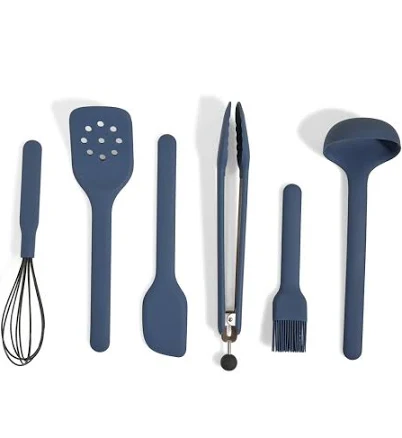
Utensil Essentials Set
- Stainless steel utensils, material unclear
- The brand calls it PFAS-free, which we have not verified
- Handle material degradation (if present)
2 hazards checked on this product. See all of them.
More non-stick kitchen gadgets grades
How we score, every product runs through the same public 0-100 rubric based on materials, coatings, brand disclosure, lab findings, and recalls. See the full methodology → Spotted a mistake? Report an error.