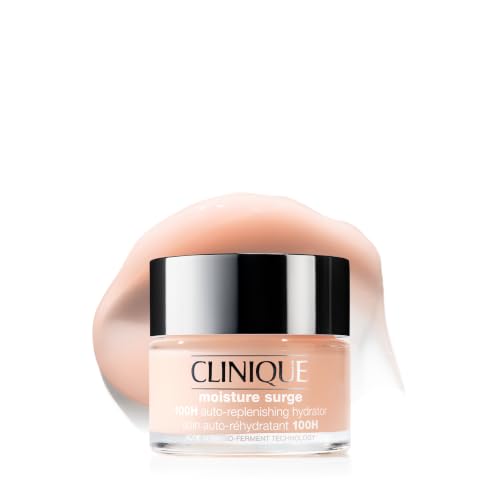
Clinique Moisture Surge 100H Auto-Replenishing Hydrator
Low PFAS risk; standard moisturizer with no known PFAS markers.
Clinique Moisture Surge is a water-based facial moisturizer with common humectants and emollients. No PFAS treatment, waterproofing, or coating is typical for this product class.
We flunk more products than we pass. This one earned its grade. How we grade
Material
water, glycerin, humectants, emulsifiers
Lab data
No public lab test
You may also be interested in
Top-graded picks in the categories readers replace first, every one scored on the same rubric.

- polypropylene filter housing, carbon/sediment cartridge
- We found no PFAS statement from the brand
- Bacterial growth in spent cartridges
3 hazards checked on this product, all on its full breakdown.

Aquasure
Premier Series 75 GPD Under Sink Reverse Osmosis Water Filtration System
- RO membrane, carbon filters, stainless steel housing
- We found no PFAS statement from the brand
- Bacterial and microbial growth in housing and filters
4 hazards checked on this product, all on its full breakdown.

Avocado
Vegan Mattress
- organic cotton, natural latex, coconut coir, recycled steel coils
- The brand calls it PFAS-free, which we have not verified
- Heavy metals
2 hazards checked on this product, all on its full breakdown.
What Clinique Moisture Surge 100H Hydrator is made of, ingredients and materials
Clinique Moisture Surge 100H is a water-glycerin emulsion with humectants (likely hyaluronic acid or sorbitol) and standard cosmetic emulsifiers. Water and glycerin are inert and non-toxic at skin-contact concentrations. Emulsifiers such as cetyl alcohol and polysorbates are widely used in cosmetics and carry no established dermal toxicity at formulation levels. The 100H marketing refers to humectant performance over time, not a chemical additive.
What’s concerning
Category baseline
The starting point for this type of product, before anything specific to this product is counted.
No PFAS disclosure
No public statement from the brand about PFAS in this product.
Fragrance allergens (undisclosed components)
Product listing does not specify fragrance compounds; Clinique formulations typically include fragrance. Individual sensitization to common cosmetic fragrances (limonene, linalool, eugenol) is documented but unpredictable; no brand-specific allergy outbreak is on record.
Bacterial or fungal overgrowth if seal compromised
Water-based emulsions are substrates for microbial growth if the container seal is broken or product is stored in warm, humid environments. Clinique's preservative system is designed to prevent this, but user hygiene (using clean applicators, not introducing fingers) remains important.
What’s reassuring
Base material not linked to PFAS
The main material recorded for this product is not one associated with PFAS.
Formaldehyde / VOCs
Standard preservatives in this product class (phenoxyethanol, methylisothiazolinone) do not release formaldehyde at approved concentrations. 1,4-dioxane contamination is not documented in Clinique products and is uncommon in contemporary moisturizers.
Source, ATSDR ↗Heavy metals
This is a colorless to translucent gel; no pigments or iron oxides are listed or expected. Heavy-metal risk applies primarily to color cosmetics (foundations, shadows, powders).
Source, FDA ↗Talc contamination
Talc is absent from water-glycerin gel formulations; this hazard is specific to powders and body products. No talc is listed in available ingredient disclosures.
How is this PFAS grade calculated?
The brand's record and disclosure
Clinique is an Estée Lauder subsidiary and discloses ingredient lists on packaging and online per FDA and EU regulations. The brand has no published certifications (e.g., cruelty-free, organic, hypoallergenic claim verification) and takes no stated position on PFAS reduction, though the product itself shows low PFAS risk. No major recalls or safety controversies involving this specific moisturizer are on public record.
How it compares in its category
Water-glycerin moisturizers are the commodity standard in prestige skincare; Clinique's formulation is typical in structure and hazard profile. Competitors using identical chemistry (La Roche-Posay, CeraVe, Neutrogena) face the same assessment. Products marketed as organic or preservative-free sometimes carry microbial contamination risk; this product's conventional preservative system mitigates that concern but introduces preservative-related scrutiny typical of the category.
If you buy it
Store in a cool, dry place away from direct sunlight; glycerin-based formulas are stable at room temperature. Do not heat or apply near an open flame. Discontinue use if redness, itching, or burning occurs; patch-test on inner arm first if you have known fragrance or emulsifier sensitivity. Replace if visible contamination, separation, or off-odor develops; typical shelf life after opening is 12 months.
What is not known about PFAS in this product?
- Basis
- Model estimate, 72% confidence, not a lab result
- Lab test
- None on record for this exact product
- Brand statement
- Clinique has made a specific claim
Formulations change between production runs, so check the current label. How we grade.
What are the PFAS-free alternatives to Clinique Moisture Surge 100H Auto-Replenishing Hydrator?
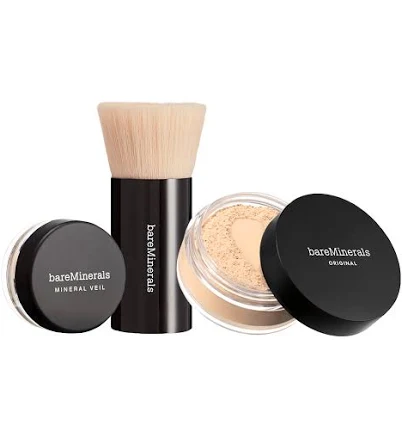
- The brand calls it PFAS-free, which we have not verified
- Lead
3 hazards checked on this product, all on its full breakdown.
More cosmetics grades
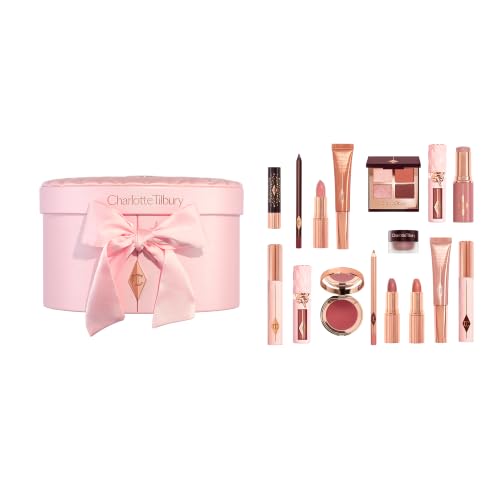 75Charlotte Tilbury Pillow Talk Dreams Come True
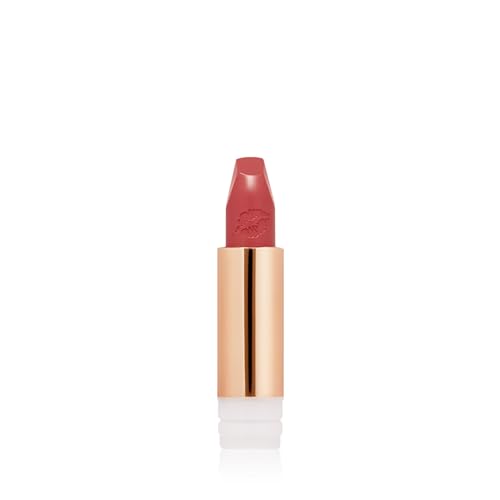 75Charlotte Tilbury Hot Lips 2 Refill
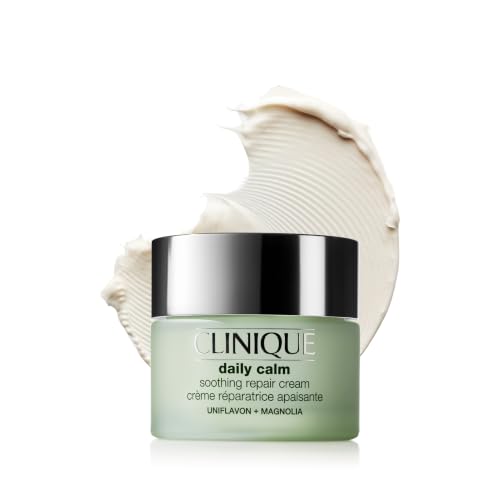 75Clinique Daily Calm Soothing Repair Face Cream
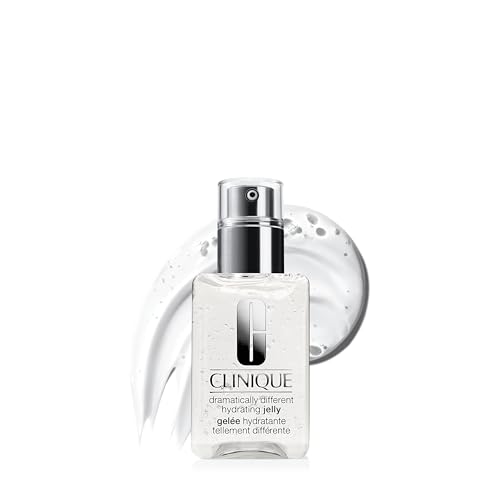 75Clinique Dramatically Different Hydrating Jelly Moisturizer
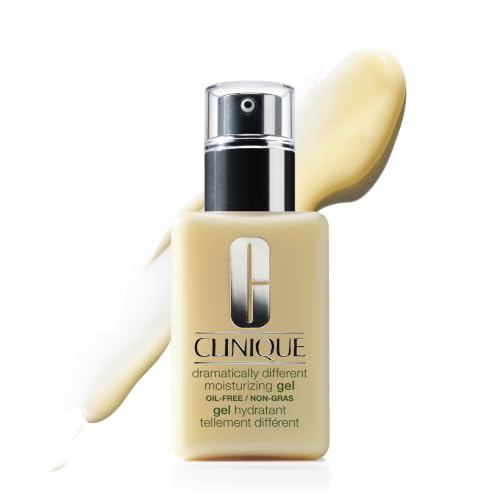 75Clinique Dramatically Different Moisturizing Gel
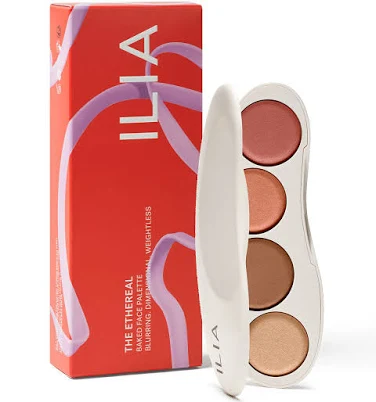 75Ilia Beauty Clean Makeup
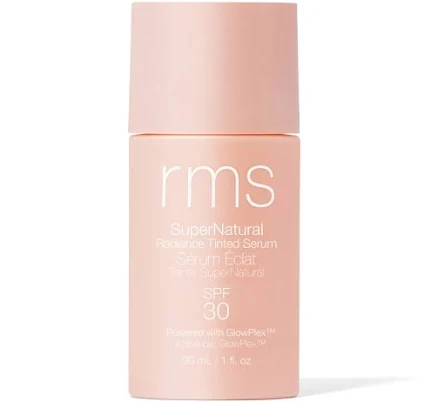 75RMS Beauty Organic Makeup
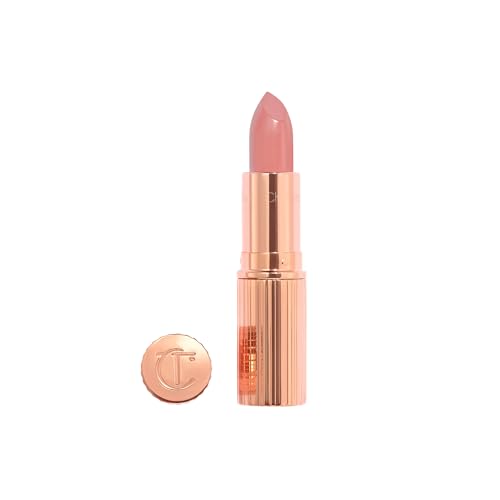 75Charlotte Tilbury Pillow Talk Lipstick
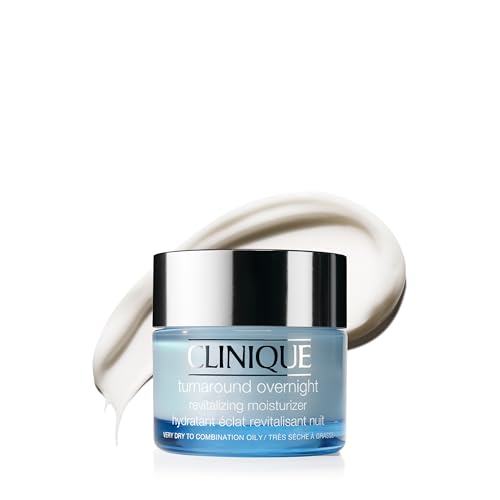 75Clinique Turnaround Overnight Revitalizing Moisturizer
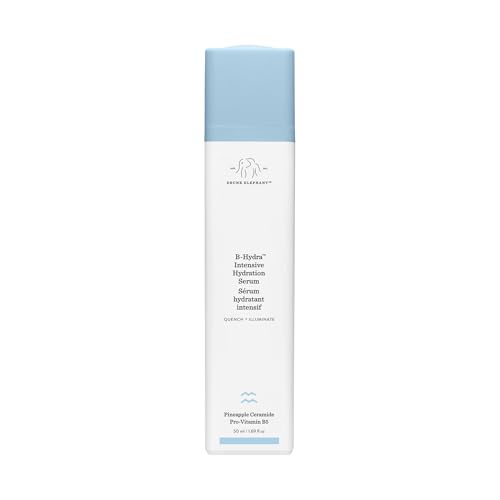 75Drunk Elephant B-Hydra Intensive Hydration SerumCompare vs Bare Minerals →All cosmetics →
How we score, every product runs through the same public 0-100 rubric based on materials, coatings, brand disclosure, lab findings, and recalls. See the full methodology → Spotted a mistake? Report an error.