Clorox · Fabric Stain Guard Sprays
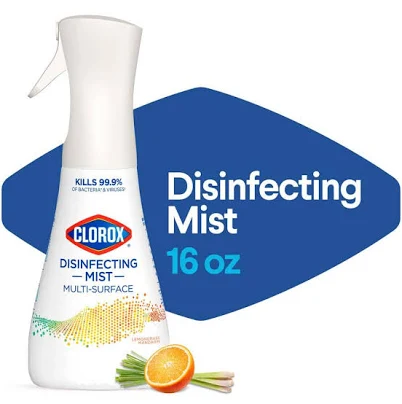
Clorox Disinfecting Mist
Lower PFAS risk; typical household disinfectant without known fluorinated additives.
Clorox Disinfecting Mist is an aqueous spray without known PFAS-containing materials or Teflon-family coating coatings. Clorox has not made PFAS statements either way.
We flunk more products than we pass. This one earned its grade. How we grade
Material
Aqueous disinfectant spray (water, active ingredients, propellant)
Lab data
No public lab test
You may also be interested in
Top-graded picks in the categories readers replace first, every one scored on the same rubric.

- polypropylene filter housing, carbon/sediment cartridge
- We found no PFAS statement from the brand
- Bacterial growth in spent cartridges
3 hazards checked on this product, all on its full breakdown.

Aquasure
Premier Series 75 GPD Under Sink Reverse Osmosis Water Filtration System
- RO membrane, carbon filters, stainless steel housing
- We found no PFAS statement from the brand
- Bacterial and microbial growth in housing and filters
4 hazards checked on this product, all on its full breakdown.

Avocado
Vegan Mattress
- organic cotton, natural latex, coconut coir, recycled steel coils
- The brand calls it PFAS-free, which we have not verified
- Heavy metals
2 hazards checked on this product, all on its full breakdown.
What Clorox Disinfecting Mist is made of, ingredients and materials
Clorox Disinfecting Mist is an aqueous (water-based) spray formulation containing quaternary ammonium compounds or sodium hypochlorite as active disinfectants, water as the carrier, and a propellant system to aerosolize the product. Unlike powder or foam disinfectants, the aqueous base minimizes dust inhalation and reduces the likelihood of particulate accumulation on fabrics. The spray mechanism means active ingredients are applied in small droplets rather than left as heavy residue, lowering skin contact and ingestion risks during normal household use.
What’s concerning
Category baseline
The starting point for this type of product, before anything specific to this product is counted.
No PFAS disclosure
No public statement from the brand about PFAS in this product.
Inhalation of spray aerosols
Repeated inhalation of fine mist containing quaternary ammonium or hypochlorite compounds may cause mild respiratory irritation, particularly in individuals with asthma or chemical sensitivity. Standard use (brief application in ventilated spaces) poses minimal risk; prolonged or confined-space spraying increases exposure.
Eye and mucous membrane irritation
Direct spray contact with eyes or mouth causes acute irritation; this is documented in safety data sheets and product warnings. Risk is low if applied to fabrics away from face, but accidental splash during application or handling by children requires immediate water flushing.
Skin sensitization from residue
Dried residue on fabric may cause irritation or contact dermatitis in individuals with sensitive skin, particularly if high concentrations remain on fabrics that contact bare skin frequently. Light application and adequate drying minimize this risk.
Material degradation of delicate fabrics
Water-based disinfectants can cause water spotting, dye bleeding, or loss of sheen on silk, wool, or treated upholstery. This is a cosmetic rather than health hazard but limits use to sturdy cottons, synthetics, and declared disinfectable items.
What’s reassuring
Base material not linked to PFAS
The main material recorded for this product is not one associated with PFAS.
Propellant toxicity
Clorox does not disclose the specific propellant system on consumer labels, but modern household sprays use non-ozone-depleting hydrocarbons or compressed gas with established low acute toxicity profiles. No recalls or health alerts specific to propellant exposure have been issued for this product.
How is this PFAS grade calculated?
The brand's record and disclosure
Clorox lists full active ingredients on the product label and safety data sheets, meeting EPA and regulatory transparency standards for disinfectant products. The company has no major recalls or safety controversies linked to this specific product line. Clorox does not explicitly market PFAS-free status for this spray, though water-based disinfectants are not typical formulations for fluorinated additives; the brand's broader PFAS stance remains understated rather than proactive.
How it compares in its category
Fabric disinfectant sprays vary widely, alcohol-based alternatives (isopropyl or ethanol) carry flammability and inhalation risks; bleach-based sprays pose stronger chemical burn hazards to skin and eyes. Quaternary ammonium sprays like this are mid-range in potency and toxicity for the category. Clorox's formulation is typical for mainstream retail disinfectants and carries lower volatility than pure alcohol or ammonia products, making it lower concern for routine household fabric disinfection.
If you buy it
Use in well-ventilated areas to minimize inhalation of atomized droplets; avoid spraying near face or eyes. Do not use on delicate fabrics, leather, or suede where water-based products may cause spotting. Spray lightly and allow to air-dry fully before use or contact. Store in a cool, dry place away from heat sources, and discard if the spray mechanism fails or the product thickens, as inactive or degraded disinfectants lose efficacy.
What is not known about PFAS in this product?
- Basis
- Model estimate, 72% confidence, not a lab result
- Lab test
- None on record for this exact product
- Brand statement
- Clorox has made a specific claim
Formulations change between production runs, so check the current label. How we grade.
More fabric stain guard sprays grades
How we score, every product runs through the same public 0-100 rubric based on materials, coatings, brand disclosure, lab findings, and recalls. See the full methodology → Spotted a mistake? Report an error.