Clorox · Fabric Stain Guard Sprays
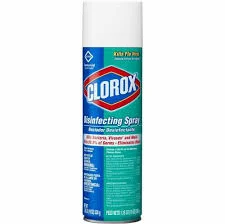
Clorox Disinfecting Spray
Liquid disinfectant spray unlikely to contain PFAS; lower concern.
Liquid bleach product with no known fluorinated coatings or surface treatments. No PFAS disclosure found, though liquid cleaners rarely require PFAS additives.
We flunk more products than we pass. This one earned its grade. How we grade
Material
Aqueous bleach solution with surfactants
Lab data
No public lab test
You may also be interested in
Top-graded picks in the categories readers replace first, every one scored on the same rubric.

- polypropylene filter housing, carbon/sediment cartridge
- We found no PFAS statement from the brand
- Bacterial growth in spent cartridges
3 hazards checked on this product, all on its full breakdown.

Aquasure
Premier Series 75 GPD Under Sink Reverse Osmosis Water Filtration System
- RO membrane, carbon filters, stainless steel housing
- We found no PFAS statement from the brand
- Bacterial and microbial growth in housing and filters
4 hazards checked on this product, all on its full breakdown.

Avocado
Vegan Mattress
- organic cotton, natural latex, coconut coir, recycled steel coils
- The brand calls it PFAS-free, which we have not verified
- Heavy metals
2 hazards checked on this product, all on its full breakdown.
What Clorox Disinfecting Spray is made of, ingredients and materials
Clorox Disinfecting Spray is an aqueous solution of sodium hypochlorite (active bleach), typically 0.55% by volume, mixed with surfactants and water. The bleach is the active antimicrobial; surfactants help it spread and stick to surfaces. This formulation is designed for hard surfaces like countertops and furniture frames, not fabrics or porous materials where bleach can damage finishes or leave residue.
What’s concerning
No PFAS disclosure
No public statement from the brand about PFAS in this product.
Category baseline
The starting point for this type of product, before anything specific to this product is counted.
Sodium hypochlorite caustic burn risk
Direct contact with concentrated bleach can cause skin and eye irritation; ingestion is hazardous. Clorox spray concentration is lower than bulk bleach but still requires protective use. Product labeling includes clear warnings; incidents are primarily user error (mixing, spraying directly on skin, or ingestion by children).
Respiratory irritation from chlorine gas release
Bleach spray can release chlorine gas, especially in poorly ventilated spaces or when warmed. Mixing with other chemicals (ammonia, acids) dramatically increases gas production and inhalation hazard. Use in well-ventilated areas only; no structural or formulation hazard intrinsic to the product itself.
Finish and coating damage on furniture
Bleach is oxidizing and can strip, discolor, or dull varnishes, lacquers, and some stains over time or with repeated exposure. Not a toxicological hazard but a practical failure mode on furniture. Testing on inconspicuous areas is recommended before broad application.
Surfactant sensitization and allergic contact dermatitis
The surfactants in the formulation are not disclosed in detail on the label; some surfactants can trigger contact dermatitis in sensitive individuals. Risk is low with normal spray use and rinsing, but glove use is advisable for frequent handling.
What’s reassuring
Base material not linked to PFAS
The main material recorded for this product is not one associated with PFAS.
PFAS
Liquid disinfectant sprays are not a known or intentional source of PFAS chemicals. The aqueous bleach matrix does not require PFAS-based water-repellent coatings or surfactants; no evidence of PFAS in this product category.
Source, ATSDR ↗How is this PFAS grade calculated?
The brand's record and disclosure
Clorox has a long history of bleach-based products with transparent ingredient labeling and clear safety warnings. The company has not faced major recalls or safety violations specific to this spray product. Clorox does not publicly disclose PFAS testing or removal claims for this category, but liquid disinfectant sprays are not a known vector for intentional PFAS addition. The product carries standard EPA registration as a disinfectant.
How it compares in its category
Bleach-based disinfectants are among the most established and affordable options in the disinfectant market. Non-bleach alternatives (quaternary ammonium compounds, hydrogen peroxide sprays) avoid the caustic hazard but may carry their own allergen or respiratory concerns. Clorox's formulation is standard; no chemical advantage or disadvantage versus generic sodium hypochlorite sprays at similar concentration.
If you buy it
Use only on hard, non-porous surfaces; test on painted or stained wood first as bleach can discolor. Never mix with ammonia or other cleaners. Apply in ventilated spaces to avoid inhalation of fumes. Store away from children and pets, in cool conditions. Shelf life is typically 6-12 months; old bleach loses potency and may generate unwanted byproducts. Wipe surfaces with water after disinfection if residue may contact skin frequently.
What is not known about PFAS in this product?
- Basis
- Model estimate, 75% confidence, not a lab result
- Lab test
- None on record for this exact product
- Brand statement
- Clorox has made a specific claim
Formulations change between production runs, so check the current label. How we grade.
More fabric stain guard sprays grades
How we score, every product runs through the same public 0-100 rubric based on materials, coatings, brand disclosure, lab findings, and recalls. See the full methodology → Spotted a mistake? Report an error.