Clorox · Fabric Stain Guard Sprays
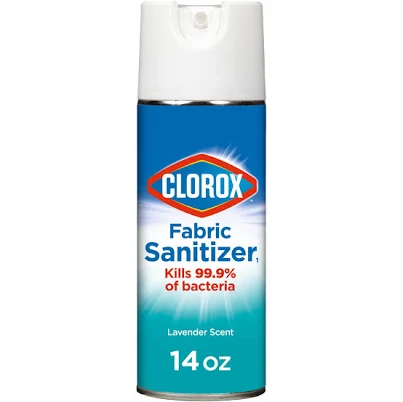
Clorox Fabric Sanitizer Aerosol Spray Lavender Scent 14 oz
Wait for clarity; PFAS risk remains unknown for aerosol disinfectant systems.
Clorox does not say whether this fabric sanitizer aerosol contains PFAS. Aerosol sprays and quaternary ammonium disinfectants may sometimes use fluorinated surfactants.
We flunk more products than we pass. This one earned its grade. How we grade
Material
aerosol propellant + quaternary ammonium surfactants + fragrance
Lab data
No public lab test
You may also be interested in
Top-graded picks in the categories readers replace first, every one scored on the same rubric.

- polypropylene filter housing, carbon/sediment cartridge
- We found no PFAS statement from the brand
- Bacterial growth in spent cartridges
3 hazards checked on this product, all on its full breakdown.

Aquasure
Premier Series 75 GPD Under Sink Reverse Osmosis Water Filtration System
- RO membrane, carbon filters, stainless steel housing
- We found no PFAS statement from the brand
- Bacterial and microbial growth in housing and filters
4 hazards checked on this product, all on its full breakdown.

Avocado
Vegan Mattress
- organic cotton, natural latex, coconut coir, recycled steel coils
- The brand calls it PFAS-free, which we have not verified
- Heavy metals
2 hazards checked on this product, all on its full breakdown.
What Clorox Fabric Sanitizer Lavender Scent is made of, ingredients and materials
This aerosol spray combines quaternary ammonium compounds (quats) as the active antimicrobial agent with propellant gases (likely hydrocarbons or compressed air), water, and lavender fragrance. Quats are well-established EPA-registered disinfectants with a long safety history on fabrics; they do not damage fibers or dyes at use concentrations. The aerosol format introduces uncertainty around propellant composition and particle inhalation risk during spraying, which varies by formulation transparency.
What’s concerning
Category baseline
The starting point for this type of product, before anything specific to this product is counted.
No PFAS disclosure
No public statement from the brand about PFAS in this product.
Aerosol inhalation and respiratory exposure
Prolonged or unventilated use of aerosol sprays can deliver fine particles and propellant vapors to the lungs. No respiratory sensitization is documented for quaternary ammonium aerosols at typical household use levels, but individual sensitivity to fragrance or propellant varies.
Fragrance allergen undisclosure
Lavender fragrance is declared but specific allergenic components (linalool, limonene, or synthetic musks) are not listed on the label. Individuals with fragrance sensitivity or respiratory conditions may experience irritation.
Skin contact and irritation
Quaternary ammonium compounds can irritate skin and eyes on direct contact. Use gloves if handling treated fabrics immediately after spraying, and avoid spraying near face or open cuts.
Propellant composition transparency
Clorox does not disclose whether aerosol propellants contain PFAS, hydrocarbon gases, or hydrofluoroolefins (HFOs). This gap prevents full assessment of chemical exposure during use.
Fabric compatibility and residue
Water-based formulations can leave mineral or salt residues on delicate or dark-colored fabrics over repeated use, potentially affecting appearance or hand-feel.
What’s reassuring
Base material not linked to PFAS
The main material recorded for this product is not one associated with PFAS.
How is this PFAS grade calculated?
The brand's record and disclosure
Clorox maintains EPA registrations for its quaternary ammonium disinfectant lines and publishes safety data sheets. However, the company has not publicly committed to PFAS-free formulations or provided transparency on propellant chemistry in aerosol products. No recalls or safety complaints specific to this fabric sanitizer are on record. The lavender fragrance component lacks ingredient-level disclosure on the label, a common industry practice that limits independent hazard assessment.
How it compares in its category
Clorox Fabric Sanitizer is a mainstream option in the disinfectant spray category, competing with Lysol and store-brand equivalents. Pump-spray or liquid alternatives eliminate aerosol inhalation concerns but may require longer drying times. Most fabric sanitizers in this class use similar quaternary ammonium chemistry; differentiation lies in propellant type and fragrance choices. PFAS risk in aerosol disinfectants is largely undocumented across brands, making this a category-wide transparency gap rather than a Clorox-specific failure.
If you buy it
Spray in well-ventilated areas or outdoors to minimize aerosol inhalation; avoid breathing mist during application. Do not spray on delicate fabrics, wool, or silk, and test on hidden seams first to check for water spotting or dye shift. Allow treated fabrics to air dry completely before use. Replace the product if the aerosol valve clogs or ceases to dispense; do not attempt to repair or refill cans.
What is not known about PFAS in this product?
- Basis
- Model estimate, 45% confidence, not a lab result
- Lab test
- None on record for this exact product
- Brand statement
- Clorox has made a specific claim
Formulations change between production runs, so check the current label. How we grade.
More fabric stain guard sprays grades
How we score, every product runs through the same public 0-100 rubric based on materials, coatings, brand disclosure, lab findings, and recalls. See the full methodology → Spotted a mistake? Report an error.