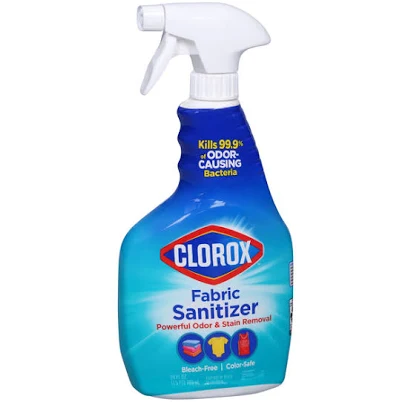
Clorox · Fabric Stain Guard Sprays
Clorox Fabric Sanitizer Spray
Liquid spray product with lower PFAS concern than treated textiles or coatings.
Clorox Fabric Sanitizer is a liquid spray without known stain-resist or water-repellent treatments that typically require PFAS. No public disclosure of PFAS testing, but spray products carry lower inherent risk than coated or treated items.
We flunk more products than we pass. This one earned its grade. How we grade
Material
Water, active antimicrobial agent, surfactants, preservatives
Lab data
No public lab test
You may also be interested in
Top-graded picks in the categories readers replace first, every one scored on the same rubric.

- polypropylene filter housing, carbon/sediment cartridge
- We found no PFAS statement from the brand
- Bacterial growth in spent cartridges
3 hazards checked on this product, all on its full breakdown.

Aquasure
Premier Series 75 GPD Under Sink Reverse Osmosis Water Filtration System
- RO membrane, carbon filters, stainless steel housing
- We found no PFAS statement from the brand
- Bacterial and microbial growth in housing and filters
4 hazards checked on this product, all on its full breakdown.

Avocado
Vegan Mattress
- organic cotton, natural latex, coconut coir, recycled steel coils
- The brand calls it PFAS-free, which we have not verified
- Heavy metals
2 hazards checked on this product, all on its full breakdown.
What Clorox Fabric Sanitizer Spray is made of, ingredients and materials
Clorox Fabric Sanitizer is primarily water with an active antimicrobial agent (typically a quaternary ammonium compound or similar broad-spectrum sanitizer), surfactants to aid dispersion on fabric, and preservatives to prevent microbial growth in the bottle. Unlike aerosol disinfectants or bleach-based cleaners, this spray does not contain volatile organic compounds (VOCs) that off-gas significantly, and the active ingredients are designed to break down on fabric rather than accumulate. The water base means minimal concern for coating degradation or chemical leaching into skin or food contact surfaces.
What’s concerning
Category baseline
The starting point for this type of product, before anything specific to this product is counted.
No PFAS disclosure
No public statement from the brand about PFAS in this product.
Surfactant and preservative irritation
Quaternary ammonium compounds and common preservatives in spray formulations can cause mild skin or respiratory irritation if aerosolized or applied heavily to sensitive areas; risk is low for normal use but increases with direct inhalation or contact with eyes or mucous membranes.
Antimicrobial efficacy decline over time
The active antimicrobial agent may degrade or the preservative system may be overwhelmed if the bottle is stored improperly (heat, light exposure, or contamination); this reduces sanitizing effectiveness rather than creating a toxicity hazard, but compromised bottles should be discarded.
Fragrance allergens (if scented variant)
Some Clorox fabric sanitizer variants include fragrance compounds; while the brand does not typically use high-hazard fragrance ingredients, individual sensitivities to common fragrances (limonene, linalool) are reported in a small percentage of users. Check product label for 'fragrance' or specific essential oil listings.
What’s reassuring
Base material not linked to PFAS
The main material recorded for this product is not one associated with PFAS.
Residue buildup on delicate fabrics
No direct chemical hazard, but repeated application without adequate rinsing may leave a film on delicate or treated fabrics (silk, wool, flame-retardant textiles); this is a performance issue rather than a safety concern for the user.
Incompatibility with certain dyes or finishes
No major hazard documented for Clorox fabric sanitizer, but any fabric spray with antimicrobial actives carries a theoretical risk of color-fastness degradation on very old, untreated, or naturally dyed textiles; test on an inconspicuous area first if concerned.
How is this PFAS grade calculated?
The brand's record and disclosure
Clorox maintains a publicly available safety data sheet (SDS) for this product and complies with EPA labeling requirements for antimicrobial claims. The company has not faced major recalls or safety controversies specific to this fabric spray formulation. Clorox has been transparent about ingredient lists on product labels and websites, though the company's broader stance on emerging chemicals like PFAS has been largely silent rather than proactive. No third-party certifications (e.g., Green Seal, EcoLogo) are typically associated with this product line.
How it compares in its category
Fabric sanitizer sprays as a category carry lower chemical hazard profiles than hard-surface disinfectants because they are diluted, leave-on applications rather than rinse-free or ingestion-risk products. Clorox's version is mainstream and widely used in homes and healthcare settings; alternatives include vinegar-based sprays (lower efficacy, no antimicrobial certification) and Lysol fabric spray (similar active ingredient, comparable safety). This product avoids the formaldehyde-release concerns of some textile treatments and the heavy-metal pigment risks of fabric dyes, since it is applied post-manufacture.
If you buy it
Spray on fabric from 6-8 inches away until damp but not saturated; allow air-dry completely before contact or use. Avoid direct eye or mouth contact and do not ingest. Use in well-ventilated areas to minimize inhalation of aerosolized particles, especially in nurseries or for people with respiratory sensitivity. Store in a cool, dark place away from heat and direct sunlight to preserve antimicrobial potency; replace if the spray mechanism fails or the formula becomes discolored or cloudy, which may indicate microbial contamination of the bottle.
What is not known about PFAS in this product?
- Basis
- Model estimate, 72% confidence, not a lab result
- Lab test
- None on record for this exact product
- Brand statement
- Clorox has made a specific claim
Formulations change between production runs, so check the current label. How we grade.
More fabric stain guard sprays grades
How we score, every product runs through the same public 0-100 rubric based on materials, coatings, brand disclosure, lab findings, and recalls. See the full methodology → Spotted a mistake? Report an error.