Clorox · Fabric Stain Guard Sprays
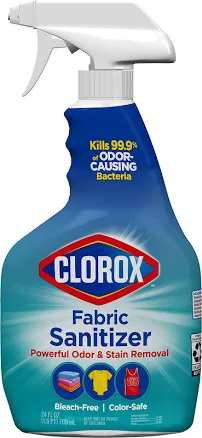
Clorox Fabric Sanitizer Spray 24 Ounces (Package May Vary)
Lower PFAS risk; standard disinfectant spray without known risk triggers.
Clorox Fabric Sanitizer is a liquid hypochlorous acid disinfectant spray with no recognized need for PFAS additives. The brand makes no PFAS statements.
We flunk more products than we pass. This one earned its grade. How we grade
Material
Aqueous hypochlorous acid disinfectant spray (liquid)
Lab data
No public lab test
You may also be interested in
Top-graded picks in the categories readers replace first, every one scored on the same rubric.

- polypropylene filter housing, carbon/sediment cartridge
- We found no PFAS statement from the brand
- Bacterial growth in spent cartridges
3 hazards checked on this product, all on its full breakdown.

Aquasure
Premier Series 75 GPD Under Sink Reverse Osmosis Water Filtration System
- RO membrane, carbon filters, stainless steel housing
- We found no PFAS statement from the brand
- Bacterial and microbial growth in housing and filters
4 hazards checked on this product, all on its full breakdown.

Avocado
Vegan Mattress
- organic cotton, natural latex, coconut coir, recycled steel coils
- The brand calls it PFAS-free, which we have not verified
- Heavy metals
2 hazards checked on this product, all on its full breakdown.
What Clorox Fabric Sanitizer Spray 24 May Vary) is made of, ingredients and materials
Clorox Fabric Sanitizer is formulated as an aqueous hypochlorous acid (HOCl) disinfectant, the same active ingredient used in hospital-grade surface sanitizers. Unlike bleach (sodium hypochlorite), hypochlorous acid is gentler on fabrics while retaining antimicrobial potency. The aqueous base means no volatile organic solvent carriers, reducing inhalation risk compared to alcohol or hydrocarbon-based sprays. Clorox manufactures this to kill pathogens on soft surfaces without the harsh oxidative damage of traditional chlorine bleach.
What’s concerning
Category baseline
The starting point for this type of product, before anything specific to this product is counted.
No PFAS disclosure
No public statement from the brand about PFAS in this product.
Inhalation of hypochlorous acid aerosol
Spray application creates fine mist; brief inhalation from normal use in ventilated spaces poses low risk, but concentrated inhalation in enclosed areas or direct face spraying can irritate respiratory mucosa. Risk is manageable with label compliance (ventilation, distance from breathing zone).
Skin and eye irritation from wet product contact
Hypochlorous acid at disinfectant concentration can cause irritation if sprayed directly on skin or eyes before drying on fabric. This is dose-dependent and reversible; eye exposure is the primary concern and requires rinsing.
Fabric degradation and color fading with repeated use
Hypochlorous acid, while gentler than sodium hypochlorite, remains an oxidizing disinfectant; frequent application to the same colored fabric can gradually bleach or fade dyes. Effect depends on dye type and fabric composition. Not a health hazard but a durability concern.
What’s reassuring
Base material not linked to PFAS
The main material recorded for this product is not one associated with PFAS.
Formaldehyde / VOCs
Clorox Fabric Sanitizer is not advertised to contain formaldehyde-releasing preservatives; aqueous HOCl formulations typically rely on pH and hypochlorous acid itself as the preservative system.
Source, ATSDR ↗None known, fragrance allergens or undisclosed fragrance components
Standard versions of this product are unscented or lightly scented; no major fragrance allergen recalls or sensitivization reports are on record for this specific spray.
How is this PFAS grade calculated?
The brand's record and disclosure
Clorox has published ingredient lists for this product and does not hide formulation details. The company has no documented recalls specific to Fabric Sanitizer spray related to hazardous contaminants or undisclosed ingredients. Clorox maintains EPA registration for disinfectant products and complies with labeling requirements, though the brand does not voluntarily disclose PFAS testing or absence statements across its fabric care line. No established safety controversies affect this particular product.
How it compares in its category
Fabric sanitizer sprays typically fall into two types, hypochlorous acid (like this product) and quaternary ammonium or alcohol-based alternatives. HOCl-based sprays are considered lower-risk for fabric degradation and inhalation compared to high-alcohol formulas, which can off-gas VOCs. Unlike enzyme-based or enzymatic fabric treatments, this spray does not require heat activation and poses no risk of protein-based allergen sensitization. It occupies the middle ground between bleach (harsher) and fragrance-heavy fabric refreshers (less antimicrobial).
If you buy it
Spray only in well-ventilated areas and allow fabrics to air-dry fully before contact with skin; hypochlorous acid presents lower concern on dried fabric but can irritate wet skin. Avoid spraying near face, eyes, or directly on skin; this is a disinfectant, not a personal care product. Test on hidden areas of delicate fabrics first, as hypochlorous acid can cause color fading on some dyes with repeated use. Replace the bottle if the spray nozzle clogs or if the product shows visible discoloration, which may indicate degradation of the active ingredient.
What is not known about PFAS in this product?
- Basis
- Model estimate, 78% confidence, not a lab result
- Lab test
- None on record for this exact product
- Brand statement
- Clorox has made a specific claim
Formulations change between production runs, so check the current label. How we grade.
More fabric stain guard sprays grades
How we score, every product runs through the same public 0-100 rubric based on materials, coatings, brand disclosure, lab findings, and recalls. See the full methodology → Spotted a mistake? Report an error.