Clorox · Fabric Stain Guard Sprays
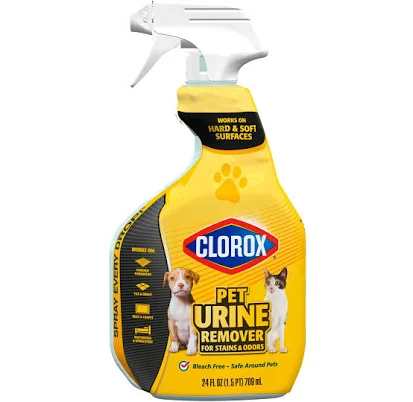
Clorox Pet Urine Remover Spray Bottle
Lower PFAS concern; typical enzymatic cleaner with no known PFAS.
Enzyme-based cleaner without typical PFAS applications like water-repellency or nonstick coatings. Clorox does not disclose PFAS content, though this category poses minimal risk.
We flunk more products than we pass. This one earned its grade. How we grade
Material
aqueous enzymatic solution in plastic spray bottle
Lab data
No public lab test
You may also be interested in
Top-graded picks in the categories readers replace first, every one scored on the same rubric.

- polypropylene filter housing, carbon/sediment cartridge
- We found no PFAS statement from the brand
- Bacterial growth in spent cartridges
3 hazards checked on this product, all on its full breakdown.

Aquasure
Premier Series 75 GPD Under Sink Reverse Osmosis Water Filtration System
- RO membrane, carbon filters, stainless steel housing
- We found no PFAS statement from the brand
- Bacterial and microbial growth in housing and filters
4 hazards checked on this product, all on its full breakdown.

Avocado
Vegan Mattress
- organic cotton, natural latex, coconut coir, recycled steel coils
- The brand calls it PFAS-free, which we have not verified
- Heavy metals
2 hazards checked on this product, all on its full breakdown.
What Clorox Pet Urine Remover Spray Bottle is made of, ingredients and materials
Clorox Pet Urine Remover is an aqueous enzymatic solution designed to break down uric acid and odor compounds in pet urine. The active ingredients are proteases and other enzymes suspended in water with surfactants and preservatives, delivered via a standard plastic spray bottle. Enzymatic cleaners present lower inhalation and skin irritation risk than harsh chemical oxidizers because they work through biological degradation rather than chemical bleaching or ammonia release during normal use.
What’s concerning
Category baseline
The starting point for this type of product, before anything specific to this product is counted.
No PFAS disclosure
No public statement from the brand about PFAS in this product.
Enzyme or surfactant allergenicity
Proteases in enzymatic cleaners can trigger respiratory or skin sensitization in susceptible individuals or with prolonged repeated exposure. Standard risk for this product class; mitigated by label warnings and ventilation.
Preservative or fragrance irritation
Clorox pet products typically contain phenoxyethanol or similar preservatives and fragrance agents. Eye and mucous membrane irritation is documented in safety data; not unique to this brand but relevant to normal use precautions.
Furniture fabric or dye damage
Enzymatic and surfactant-based formulas can strip or alter dyes in certain textiles, especially older or delicate fabrics. Spot testing is essential before full application, not a toxicity hazard but a product performance and material damage concern.
Bacterial growth in residual product or bottle
If spray bottle is stored damp or clogged nozzle prevents full emptying, residual enzymatic solution can support microbial growth over weeks or months. Not a hazard of the product itself but a maintenance issue requiring occasional bottle rinse or replacement.
What’s reassuring
Base material not linked to PFAS
The main material recorded for this product is not one associated with PFAS.
Plastic bottle leachables (spray bottle housing)
Standard polyethylene or polypropylene spray bottles used by Clorox are not known to leach BPA or phthalates into aqueous solutions at room temperature. No established hazard reported for this product or formulation.
How is this PFAS grade calculated?
The brand's record and disclosure
Clorox does not prominently disclose PFAS avoidance in this product line, but enzymatic cleaners are not known to require PFAS for function. The company has faced scrutiny on bleach product safety and environmental claims but maintains standard safety labeling on this product. No major recalls or public health controversies are on record for this specific formulation. Clorox products are typically tested for standard consumer safety hazards and carry warning labels for eyes and ingestion.
How it compares in its category
Enzymatic pet urine removers are generally considered lower-toxicity alternatives to ammonia-based or chlorine-based cleaners in the pet odor removal category. This product avoids the fume hazards of stronger oxidizers and does not contain known endocrine disruptors like BPA in the liquid formulation itself. Compared to oxygen-based or enzyme-free sprays, enzymatic products pose less irritant risk but require proper ventilation and longer dwell time for effectiveness.
If you buy it
Use in well-ventilated areas and avoid spraying directly on skin or into eyes; wash hands after application. Test on inconspicuous fabric first to check for discoloration, as enzymes can affect some dyes or delicate materials. Store upright in a cool, dry place away from heat, as enzyme activity degrades at high temperatures. Replace when enzyme activity visibly declines (ineffective odor removal after normal application and dwell time) or per manufacturer guidance.
What is not known about PFAS in this product?
- Basis
- Model estimate, 72% confidence, not a lab result
- Lab test
- None on record for this exact product
- Brand statement
- Clorox has made a specific claim
Formulations change between production runs, so check the current label. How we grade.
More fabric stain guard sprays grades
How we score, every product runs through the same public 0-100 rubric based on materials, coatings, brand disclosure, lab findings, and recalls. See the full methodology → Spotted a mistake? Report an error.