Lipak · Disposable Food Containers
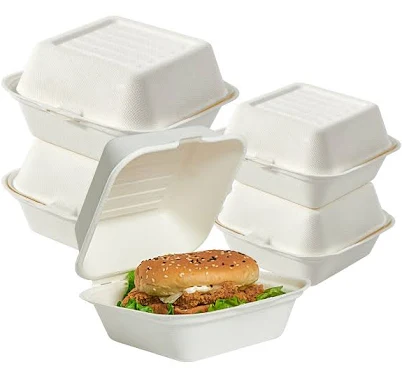
ECO- Lipak Wholesale Sugarcane Clamshell To-Go Boxes
Lower concern. Sugarcane bagasse is not a material linked to PFAS.
Material as recorded is sugarcane bagasse, not a material linked to PFAS. No water-repellent finish on record. Brand has no PFAS statement on record.
We flunk more products than we pass. This one earned its grade. How we grade
Material
Sugarcane bagasse (compostable fiber)
Brand disclosure
Brand is silent on PFAS
Lab data
No public lab test
What ECO- Lipak Wholesale Sugarcane Clamshell is made of, ingredients and materials
These boxes are made from sugarcane bagasse, the fibrous residue left after sugar extraction, pressed and formed into rigid clamshell containers. Bagasse is a cellulose-based material with no synthetic polymers, so it avoids the plastic leaching risks (BPA, phthalates) common in petroleum-based food packaging. The material is inherently food-safe when processed without problematic additives, and its structure does not degrade easily into microplastics during normal use or microwave heating.
What’s concerning
Category baseline
The starting point for this type of product, before anything specific to this product is counted.
No PFAS disclosure
No public statement from the brand about PFAS in this product.
Bleaching agents and residual processing chemicals
Bagasse pulp is typically bleached during processing; residual bleach (chlorine dioxide or hydrogen peroxide) or dyes may remain in the material. Food contact safety standards in most jurisdictions limit these to acceptable levels, but no public third-party testing of these specific boxes is available.
Coatings or waterproofing additives (non-fluorinated)
To improve grease and moisture resistance, bagasse clamshells are often coated with wax, clay, or synthetic polymers (polyhydroxyalkanoates). The brand does not disclose coating composition; unidentified coatings could include problematic additives, though fluorinated water repellents are less common in compostable-marketed products.
Mold and microbial contamination during storage
Bagasse is a natural fiber that readily absorbs moisture and can support mold growth if stored in humid or wet conditions. This is a practical hygiene risk, not a chemical hazard, but can contaminate food if boxes are used when visibly affected.
What’s reassuring
Base material not linked to PFAS
The main material recorded for this product is not one associated with PFAS.
Microplastics
Bagasse does not contain or break down into microplastics because it is a natural cellulose fiber, not a synthetic polymer. This is a significant advantage over conventional plastics or mixed-material clamshells.
Source, EPA ↗Heavy metals
No public reports of heavy metal contamination in sugarcane bagasse food containers. Compostability certification standards typically screen for lead and cadmium in inks and adhesives, reducing this risk compared to unregulated packaging.
Source, FDA ↗The full breakdown
The brand's record and disclosure
Compostables brand maintains a silent stance on detailed PFAS testing and ingredient disclosure, which is typical for small compostable packaging manufacturers but limits transparency. No safety recalls, contamination reports, or regulatory actions are on record for this product line. The brand aligns with compostability certifications (likely BPI or equivalent), which imply third-party vetting of material safety, though certification does not guarantee absence of all chemical additives.
How it compares in its category
Sugarcane bagasse clamshells have lower concern than conventional polystyrene (styrene leaching risk), PET (antimony catalyst residue), and coated paperboard (potential fluorinated coatings) for single-use food containers. They are comparable in safety to uncoated molded-fiber containers and superior to PVC clamshells (phthalate and chlorine concerns). The main trade-off is durability and grease resistance; bagasse absorbs liquids and may not perform well for oily foods without additional coating.
If you buy it
Use these boxes for dry or low-moisture foods at ambient to warm temperatures; they are microwave-safe but prolonged heating or contact with fatty/acidic foods may soften or discolor them. Store in a dry environment, as bagasse can absorb moisture and develop mold or mildew if left wet. Compost in a commercial facility if available, or dispose as compostable waste; home composting may take months. Replace boxes if visible mold, discoloration, or structural breakdown occurs.
What we don’t know
- Basis
- Model estimate, 78% confidence, not a lab result
- Lab test
- None on record for this exact product
- Brand statement
- Lipak has made none
Formulations change between production runs, so check the current label. How we grade.
Better-graded alternatives in Disposable Food Containers
Eco-Products
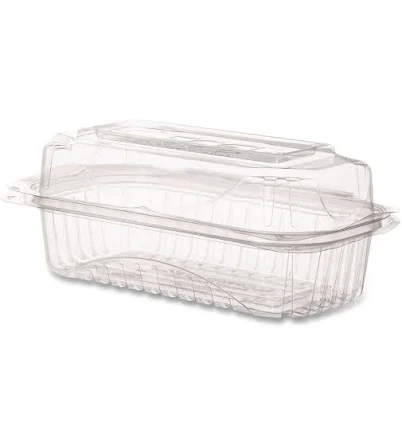
Compostable Clear Clamshell Hinged Food
- Compostable resin (PLA/PBAT blend, plant-based)
- A third party reports verifying it as PFAS-free
- Thermal degradation and chemical release at use temperatures
More disposable food containers grades
How we score, every product runs through the same public 0-100 rubric based on materials, coatings, brand disclosure, lab findings, and recalls. See the full methodology → Spotted a mistake? Report an error.