Huhtamaki · Disposable Food Containers
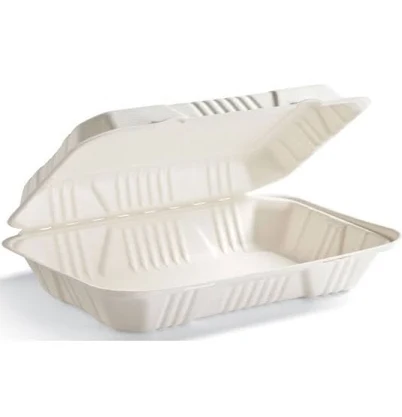
Huhtamaki 68007 Catering Hinged Clamshell Food Container 9" X 13" X 3", Molded Fiber, 1-compartment, Large, (100/cs), Pr
Lower concern for PFAS due to molded fiber material with no coating on record.
This molded fiber clamshell has no water-repellent finish on record. Molded fiber is not a material linked to PFAS. Huhtamaki has no PFAS statement on record for this product.
We flunk more products than we pass. This one earned its grade. How we grade
Material
molded fiber (pulp-based)
Brand disclosure
Brand is silent on PFAS
Lab data
No public lab test
What Huhtamaki 68007 Catering Hinged Clamshell is made of, ingredients and materials
This container is molded fiber, a pulp-based material made from recycled paper and cardboard processed into a rigid, compartmentalized form. Molded fiber contains no plastic polymers, coatings, or synthetic resins in its base structure, which eliminates the primary leaching vectors (BPA, phthalates, plasticizers) common in polystyrene or plastic clamshells. The material is designed for single-use food service and is compostable in industrial facilities, though home composting performance varies.
What’s concerning
Category baseline
The starting point for this type of product, before anything specific to this product is counted.
No PFAS disclosure
No public statement from the brand about PFAS in this product.
Microbial growth if stored in damp conditions
Molded fiber is porous and hygroscopic; improper warehouse storage or humid environments can promote mold or bacterial growth on the substrate before consumer use. No contamination incidents are on record for Huhtamaki specifically, but material chemistry creates this structural risk.
Fiber particle shedding under thermal or mechanical stress
Heating, repeated handling, or contact with wet or oily foods can cause the pulp matrix to degrade and release fiber fragments into food. This is not a chemical hazard but a physical contamination risk inherent to the material.
Heavy metals
Recycled pulp can concentrate contaminants from post-consumer waste; lead or cadmium in ink or coatings on recycled cardboard may persist in final product. No specific testing is published for Huhtamaki's supply chain, but this is a known concern in the recycled fiber industry.
Source, FDA ↗What’s reassuring
Base material not linked to PFAS
The main material recorded for this product is not one associated with PFAS.
Residual bleach or processing chemicals in pulp
Molded fiber is typically bleached during manufacture to achieve whiteness. Migration of chlorine residues or bleaching byproducts into food is not documented in available literature for food-contact molded fiber, suggesting industry compliance with FDA food-contact limits.
BPA & bisphenols
Standard molded fiber clamshells contain no plastic film or resin coating. If this specific product includes an internal moisture barrier, it could be plastic-based, but product description indicates uncoated molded fiber only.
Source, FDA ↗The full breakdown
The brand's record and disclosure
Huhtamaki is a large Finnish food-packaging manufacturer with no public record of chemical safety recalls on molded fiber products in North America. The company has not made explicit PFAS disclosures for this product line, despite industry-wide scrutiny. No third-party certifications (e.g., Green Seal, FDA migration studies) are documented for this specific SKU, leaving verification limited to material-class assumptions rather than product-specific testing.
How it compares in its category
Molded fiber clamshells have lower concern for chemical leaching compared to plastic-derived single-use food containers, as the material itself is not linked to plastic-associated hazards. Polystyrene foam clamshells carry higher microplastic and styrene-leaching risk; plastic hinged containers introduce BPA or BPS exposure. Molded fiber's trade-off is lower barrier performance (grease and moisture penetration) and lack of transparency, but for dry or room-temperature foods this is acceptable and preferable to polymer alternatives.
If you buy it
Use for room-temperature or moderately warm foods only; prolonged contact with hot or oily foods may degrade fiber integrity and increase particle shedding. Do not microwave or place in conventional ovens, as heat degrades the pulp structure. Inspect containers before use for visible mold, water damage, or odors (signs of microbial growth in storage). Store in a cool, dry location and replace if containers become brittle, warped, or visibly compromised.
What we don’t know
- Basis
- Model estimate, 78% confidence, not a lab result
- Lab test
- None on record for this exact product
- Brand statement
- Huhtamaki has made none
Formulations change between production runs, so check the current label. How we grade.
Better-graded alternatives in Disposable Food Containers
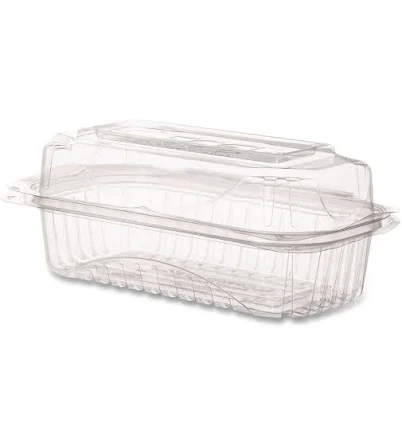
Eco-Products
Compostable Clear Clamshell Hinged Food
- Compostable resin (PLA/PBAT blend, plant-based)
- A third party reports verifying it as PFAS-free
- Thermal degradation and chemical release at use temperatures
More disposable food containers grades
How we score, every product runs through the same public 0-100 rubric based on materials, coatings, brand disclosure, lab findings, and recalls. See the full methodology → Spotted a mistake? Report an error.