Tellus · Disposable Food Containers
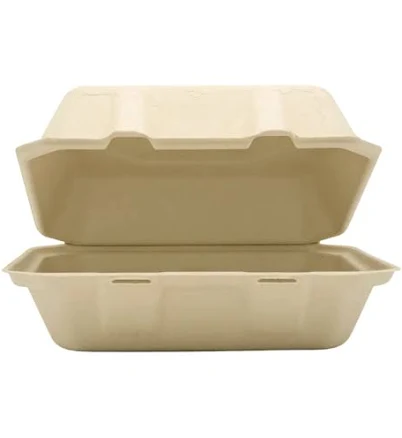
Tellus Compostable Clamshell Container Pack of 100
Lower concern. Compostable biopolymer material is not linked to PFAS.
Tellus clamshell containers are made from compostable biopolymer, likely PLA or similar material. This material class is not associated with PFAS. The brand has no PFAS statement on record.
We flunk more products than we pass. This one earned its grade. How we grade
Material
compostable biopolymer, likely PLA or similar
Brand disclosure
Brand is silent on PFAS
Lab data
No public lab test
What Tellus Compostable Clamshell Container is made of, ingredients and materials
Tellus clamshells are made from compostable biopolymer, most likely polylactic acid (PLA) derived from corn starch or sugarcane. PLA does not require Teflon-type coating (unlike some non-stick cookware) and avoids the heavy metal concerns of ceramic glazes. The material is designed to break down in industrial composting within 90-180 days, reducing long-term leaching risk compared to conventional plastics that persist for decades.
What’s concerning
Category baseline
The starting point for this type of product, before anything specific to this product is counted.
No PFAS disclosure
No public statement from the brand about PFAS in this product.
Oligomer leaching from PLA hydrolysis
PLA can hydrolyze (break down through water exposure) at elevated temperatures or over long storage, releasing low-molecular-weight oligomers. Risk is low for room-temperature storage and short-term use; becomes relevant if containers are stored in warm, humid conditions or reused repeatedly for hot foods.
Microplastics
If PLA clamshells are damaged, UV-exposed, or improperly disposed of (e.g., landfilled instead of composted), they can fragment into microplastics over months to years. Industrial composting prevents this; landfill or ocean disposal creates long-term microplastic risk.
Source, EPA ↗Heat-induced deformation and contact with food
PLA softens and warps significantly above 50 degrees Celsius. Using these containers for hot takeout or microwaving can cause deformation that traps food residue and increases surface area for microbial growth; not a chemical hazard but a hygiene concern.
Degradation byproducts in non-industrial settings
If containers are composted in backyard or non-certified facilities, incomplete decomposition may produce lactic acid accumulation and odors but no established toxins. Conventional disposal (landfill or incineration) avoids breakdown entirely, meaning no beneficial end-of-life but also no accelerated hazard.
What’s reassuring
Base material not linked to PFAS
The main material recorded for this product is not one associated with PFAS.
Additive contamination (plasticizers, release agents)
PLA-based food containers typically do not require phthalates or BPA-class plasticizers. Mold-release agents (silicone or mineral oil derivatives) may be present in trace amounts; no health incidents or documented leaching are on record for compostable clamshell products.
The full breakdown
The brand's record and disclosure
Compostables (the parent brand) maintains minimal public disclosure on ingredient sourcing or third-party testing. No recalls or safety controversies are documented in FDA records or consumer safety databases for this product line. The brand's silence on PFAS and chemical additives is typical of the compostable packaging sector but limits transparency; no independent certifications (e.g., Cradle-to-Cradle, OK Compost) are publicly confirmed for this specific SKU.
How it compares in its category
Compostable clamshells perform better than polystyrene foam (EPS) on chemical risk; no phthalates, BPA, or antimicrobial additives are typical in PLA formulations. Versus conventional #1 (PET) rigid containers, PLA avoids antimony catalysts used in some PET synthesis. Performance trade-off, PLA has lower heat tolerance (softens above 50-60 degrees Celsius) and can absorb flavors from fatty or oily foods over time, though this is a functional issue, not a direct safety hazard.
If you buy it
Do not use these containers for hot foods or liquids above 50 degrees Celsius; PLA will warp and may leach oligomers (low-molecular-weight polymer fragments) into warm foods. Store away from direct sunlight and heat, as UV and temperature accelerate PLA degradation. If you compost, ensure your facility accepts PLA; many municipal programs reject it, and backyard composting does not reach the 58-60 degree Celsius threshold needed. Replace if clouding, cracks, or visible warping appear; these are signs of polymer breakdown.
What we don’t know
- Basis
- Model estimate, 72% confidence, not a lab result
- Lab test
- None on record for this exact product
- Brand statement
- Tellus has made none
Formulations change between production runs, so check the current label. How we grade.
Better-graded alternatives in Disposable Food Containers
Eco-Products
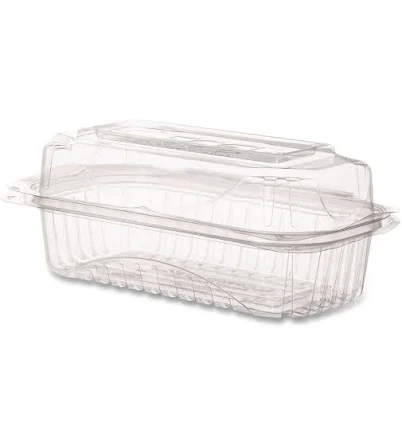
Compostable Clear Clamshell Hinged Food
- Compostable resin (PLA/PBAT blend, plant-based)
- A third party reports verifying it as PFAS-free
- Thermal degradation and chemical release at use temperatures
More disposable food containers grades
How we score, every product runs through the same public 0-100 rubric based on materials, coatings, brand disclosure, lab findings, and recalls. See the full methodology → Spotted a mistake? Report an error.