Thermos · Insulated Travel Mugs
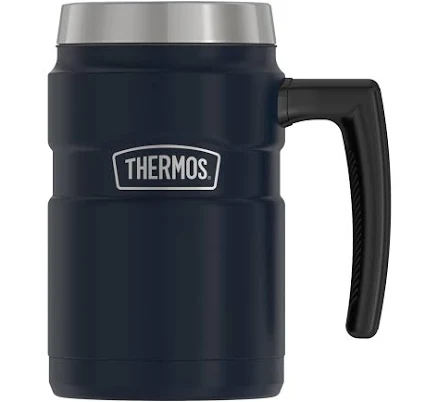
Thermos 16oz Stainless King Coffee Mug
Lower PFAS concern; stainless steel contact surface unlikely PFAS source.
Thermos Stainless King uses stainless steel for the beverage-contact surface, a bare material with minimal PFAS risk. Plastic exterior components lack public disclosure, but stainless interior limits exposure routes.
We flunk more products than we pass. This one earned its grade. How we grade
Material
stainless steel interior, plastic exterior
Brand disclosure
Brand is silent on PFAS
Lab data
No public lab test
You may also be interested in
Top-graded picks in the categories readers replace first, every one scored on the same rubric.

- polypropylene filter housing, carbon/sediment cartridge
- We found no PFAS statement from the brand
- Bacterial growth in spent cartridges
3 hazards checked on this product, all on its full breakdown.

Aquasure
Premier Series 75 GPD Under Sink Reverse Osmosis Water Filtration System
- RO membrane, carbon filters, stainless steel housing
- We found no PFAS statement from the brand
- Bacterial and microbial growth in housing and filters
4 hazards checked on this product, all on its full breakdown.

Avocado
Vegan Mattress
- organic cotton, natural latex, coconut coir, recycled steel coils
- The brand calls it PFAS-free, which we have not verified
- Heavy metals
2 hazards checked on this product, all on its full breakdown.
What Thermos 16oz Stainless King Coffee Mug is made of, ingredients and materials
The Thermos 16oz Stainless King uses a double-wall stainless steel interior (typically 18/8 or 18/10 chrome-nickel alloy) that contacts the beverage, with a plastic exterior shell and lid. Stainless steel is corrosion-resistant and does not leach metals into food or drink under normal use, with no hazard of this kind on record. The plastic exterior and lid are isolated from the liquid by the steel walls, significantly reducing exposure to any plastic-derived chemicals.
What’s concerning
Category baseline
The starting point for this type of product, before anything specific to this product is counted.
No PFAS disclosure
No public statement from the brand about PFAS in this product.
Plastic exterior degradation and leachates
The exterior plastic shell contacts only air and hands, not beverages, limiting exposure. However, extended UV exposure or high heat storage could eventually degrade the plastic; no specific chemical composition for this mug's plastic exterior is disclosed by Thermos, making it impossible to rule out minor leaching if cracks develop.
Rubber gasket degradation
The silicone or rubber lid gasket can degrade over time with repeated heat and washing, potentially shedding microparticles into the beverage. No documented health incidents from Thermos mug gaskets are on public record, but material composition is not disclosed, so allergen or off-gas potential cannot be fully assessed.
Lead
If the inner and outer walls separate due to manufacturing defect or pressure damage, the trapped space between them could allow mold, mineral deposits, or bacterial growth if moisture enters. This is a mechanical failure issue rather than a chemical hazard, but it reduces usability and hygiene.
Source, ATSDR ↗What’s reassuring
Bare uncoated material
Recorded as a bare, uncoated material with no surface coating or treatment.
Stainless steel corrosion or ion leaching
Medical-grade stainless steel (18/8 alloy) does not leach nickel, chromium, or iron into beverages under normal use or temperature conditions. Thermos Stainless King mugs are not labeled with alloy grade, but no recalls or safety reports of metal leaching exist for this product line.
Formaldehyde / VOCs
New plastic components may emit trace VOCs or formaldehyde resins during manufacturing; airing the mug before first use minimizes any odor. No specific testing or complaints regarding off-gassing are documented for Thermos Stainless King mugs, and the sealed interior design limits inhalation exposure.
Source, ATSDR ↗How is this PFAS grade calculated?
The brand's record and disclosure
Thermos has no major product recalls or safety controversies on public record for this mug line. The company does not publish detailed material sourcing or chemical disclosure statements, which is typical for this category but limits third-party verification of manufacturing controls. No independent testing results flagging health hazards in Thermos Stainless King products are documented in consumer safety databases.
How it compares in its category
Stainless steel drinkware has lower concern than ceramic-coated mugs (lead/cadmium risk in glazes) or plastic bottles used for hot liquids (BPA, phthalate leaching). Double-wall insulated mugs with sealed plastic exteriors are standard in this price and quality tier; Thermos is a recognized brand in thermal retention performance. Compared to single-wall plastic or aluminum mugs, stainless steel interior contact surfaces present lower chemical hazard potential.
If you buy it
Hand wash or use gentle dishwasher cycles to avoid damage to the seal; avoid prolonged soaking that could stress the lid gasket. Do not fill with liquids above 85°C (185°F) repeatedly, as extreme thermal cycling may eventually weaken the double-wall seal. Inspect the exterior plastic for cracks or degradation annually; if the seal begins to fail and the walls separate, discontinue use. The rubber gasket in the lid should be replaced if it becomes discolored, brittle, or stops sealing effectively (typically every 2-3 years with daily use).
What is not known about PFAS in this product?
- Basis
- Model estimate, 82% confidence, not a lab result
- Lab test
- None on record for this exact product
- Brand statement
- Thermos has made none
Formulations change between production runs, so check the current label. How we grade.
What are the PFAS-free alternatives to Thermos 16oz Stainless King Coffee Mug?
- stainless steel exterior, ceramic lining interior
- Ceramic coating degradation over time
3 hazards checked on this product, all on its full breakdown.
- Stainless steel body, plastic lid
- We found no PFAS statement from the brand
- Plastic lid polymer identity and leaching potential
3 hazards checked on this product, all on its full breakdown.
More insulated travel mugs grades
How we score, every product runs through the same public 0-100 rubric based on materials, coatings, brand disclosure, lab findings, and recalls. See the full methodology → Spotted a mistake? Report an error.