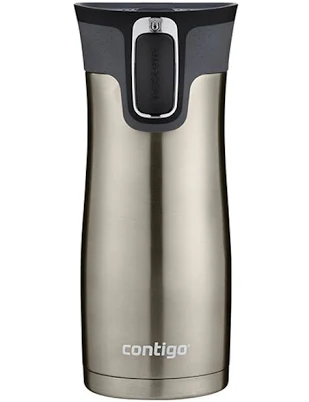
Contigo · Insulated Travel Mugs
Contigo West Loop 2.0 Travel Mug 2-Pack
Low-Medium risk. Stainless travel mug with no PFAS disclosure required.
This two-pack uses stainless steel exterior and plastic valve. No water-repellent or nonstick coating typically needs PFAS treatment.
The better-graded swap
Yeti
Rambler 24 oz Mug with Ceramic Lining
85/100 safety
Same rubric that flunked this product. The swap earned Excellent.
Still want this one anyway? Check the price on Amazon. We’d swap it.
Material
Stainless steel exterior, plastic interior lid/valve
Lab data
No public lab test
You may also be interested in
Top-graded picks in the categories readers replace first, every one scored on the same rubric.

- polypropylene filter housing, carbon/sediment cartridge
- We found no PFAS statement from the brand
- Bacterial growth in spent cartridges
3 hazards checked on this product, all on its full breakdown.

Aquasure
Premier Series 75 GPD Under Sink Reverse Osmosis Water Filtration System
- RO membrane, carbon filters, stainless steel housing
- We found no PFAS statement from the brand
- Bacterial and microbial growth in housing and filters
4 hazards checked on this product, all on its full breakdown.

Avocado
Vegan Mattress
- organic cotton, natural latex, coconut coir, recycled steel coils
- The brand calls it PFAS-free, which we have not verified
- Heavy metals
2 hazards checked on this product, all on its full breakdown.
What Contigo West Loop 2.0 Travel Mug 2-Pack is made of, ingredients and materials
The Contigo West Loop 2.0 uses food-grade stainless steel (typically 18/8 or 304-grade) for the outer wall and insulating layer, which is chemically inert and does not leach into beverages under normal use. The interior lid and valve mechanism are plastic (likely polypropylene or acetal copolymer based on Contigo's typical design), which contact the beverage and come into direct contact with hot liquids. Stainless steel is not a material linked to PFAS; the plastic components are the only potential exposure route for chemical migration.
What’s concerning
Category baseline
The starting point for this type of product, before anything specific to this product is counted.
No PFAS disclosure
No public statement from the brand about PFAS in this product.
Plastic lid and valve wear/leaching
The polypropylene or acetal plastic components in the lid and valve assembly may release trace amounts of monomers or plasticizers under repeated hot liquid contact or mechanical stress over years of use. No specific recalls or testing data for this model exist on public record, but replacement of worn lids is a prudent practice.
Bacterial or mold growth in valve mechanism
Multi-part flip or auto-seal valves in travel mugs are known to accumulate biofilm and mold if not thoroughly cleaned or allowed to dry fully; this is a maintenance issue rather than a manufacturing hazard but affects actual user safety.
What’s reassuring
Base material not linked to PFAS
The main material recorded for this product is not one associated with PFAS.
BPA & bisphenols
Contigo's plastic lid materials in current production are not documented to contain BPA; the brand generally complies with FDA BPA bans for food-contact plastics, though formal certification is not publicly available.
Source, FDA ↗Heavy metals
Food-grade stainless steel (304 or 18/8) is not a leaching source for lead, cadmium, or nickel under normal beverage use; nickel content is tightly regulated and does not migrate into acidic or neutral drinks.
Source, FDA ↗Off-gassing or volatile organic compounds
Stainless steel and standard food-contact plastics used in this mug do not emit formaldehyde or other regulated VOCs; no odor issues beyond typical new plastic smell are reported for this product line.
How is this PFAS grade calculated?
The brand's record and disclosure
Contigo has not issued formal PFAS disclosure statements, which is typical for this product category but represents a gap in transparency rather than evidence of contamination. The brand has no major safety recalls related to chemical leaching or coating degradation on this product line as of public records. Contigo is owned by Energizer Holdings and manufactures primarily in Asia; the company maintains basic FDA compliance for food-contact plastics but does not provide third-party certification or independent testing summaries. No established controversies regarding heavy metals, formaldehyde, or allergens in this specific mug model are on record.
How it compares in its category
The West Loop 2.0 sits in the mid-market segment of insulated travel mugs, competing with brands like Hydro Flask, YETI Rambler, and S'well. Compared to ceramic-lined or coated steel alternatives, this stainless-only design eliminates risks from glaze degradation or ceramic coating chipping. Versus cheaper plastic-body tumblers, the stainless exterior is superior for chemical stability; versus premium options with full transparency disclosures, Contigo offers less public assurance but comparable material safety in practice.
If you buy it
Hand wash the plastic lid and valve components regularly to prevent bacterial biofilm buildup in crevices, especially if the mug sits unused for extended periods. Do not microwave the assembled mug and avoid extreme temperature swings (boiling liquid into a cold mug), which can stress plastic seals over time. Replace the lid gasket or valve if it becomes cloudy, cracks, or loses elasticity, as these are wear items; Contigo sells replacement lids separately. Store the mug dry with the lid unsealed to prevent moisture and odor retention in the valve mechanism.
What is not known about PFAS in this product?
- Basis
- Model estimate, 72% confidence, not a lab result
- Lab test
- None on record for this exact product
- Brand statement
- Contigo has made a specific claim
Formulations change between production runs, so check the current label. How we grade.
What are the PFAS-free alternatives to Contigo West Loop 2.0 Travel Mug 2-Pack?
- stainless steel exterior, ceramic lining interior
- Ceramic coating degradation over time
3 hazards checked on this product, all on its full breakdown.
- Stainless steel body, plastic lid
- We found no PFAS statement from the brand
- Plastic lid polymer identity and leaching potential
3 hazards checked on this product, all on its full breakdown.
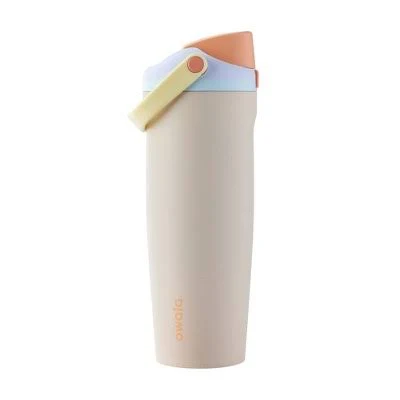
- Stainless steel body, no interior coating disclosed
- Silicone and plastic lid/valve leachables
3 hazards checked on this product, all on its full breakdown.
More insulated travel mugs grades
How we score, every product runs through the same public 0-100 rubric based on materials, coatings, brand disclosure, lab findings, and recalls. See the full methodology → Spotted a mistake? Report an error.