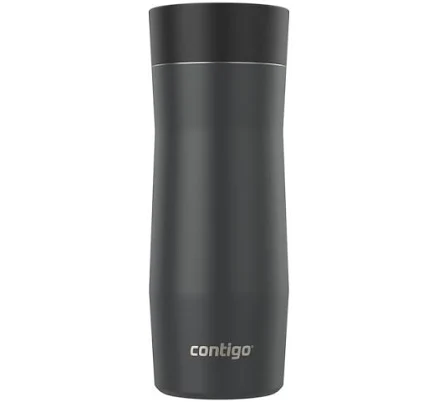
Contigo · Insulated Travel Mugs
Contigo West Loop 3.0 Stainless Steel Travel Mug with AUTOSEAL Lid
Low-Medium risk. Stainless steel body poses lower concern; lid polymer unspecified.
This stainless steel mug has a polymer lid without public disclosure of its materials or any coatings that might repel water.
The better-graded swap
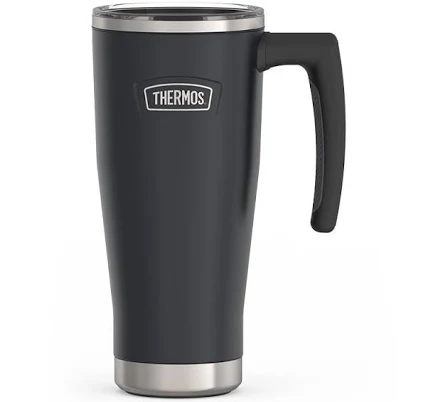
Thermos
Thermos 18 oz. Icon Vacuum Insulated Stainless Steel Mug
80/100 safety
Same rubric that flunked this product. The swap earned Excellent.
Still want this one anyway? Check the price on Amazon. We’d swap it.
Material
stainless steel, polymer lid
Lab data
No public lab test
You may also be interested in
Top-graded picks in the categories readers replace first, every one scored on the same rubric.

- polypropylene filter housing, carbon/sediment cartridge
- We found no PFAS statement from the brand
- Bacterial growth in spent cartridges
3 hazards checked on this product, all on its full breakdown.

Aquasure
Premier Series 75 GPD Under Sink Reverse Osmosis Water Filtration System
- RO membrane, carbon filters, stainless steel housing
- We found no PFAS statement from the brand
- Bacterial and microbial growth in housing and filters
4 hazards checked on this product, all on its full breakdown.

Avocado
Vegan Mattress
- organic cotton, natural latex, coconut coir, recycled steel coils
- The brand calls it PFAS-free, which we have not verified
- Heavy metals
2 hazards checked on this product, all on its full breakdown.
What Contigo West Loop 3.0 AUTOSEAL Lid is made of, ingredients and materials
The Contigo West Loop 3.0 features a food-grade stainless steel double-wall body, which is chemically inert and does not leach metals or compounds into beverages under normal use. The AUTOSEAL lid is polymer-based (likely polypropylene or acetal copolymer, typical for insulated lids), with a silicone gasket for sealing. Stainless steel avoids concerns about aluminum leaching or ceramic glaze contamination that affect other drink vessels. The critical unknown is whether the lid's polymer or internal coatings contain PFAS for water and stain resistance, which is common in sealed beverage lid design but not disclosed by Contigo.
What’s concerning
Category baseline
The starting point for this type of product, before anything specific to this product is counted.
No PFAS disclosure
No public statement from the brand about PFAS in this product.
PFAS
The AUTOSEAL lid's exact polymer type and whether it contains PFAS-based coatings is not disclosed by Contigo. Water-and stain-resistant properties in food contact plastics often rely on PFAS, but this is not confirmed for this model.
Source, ATSDR ↗Silicone gasket degradation and leaching
Silicone gaskets in sealed lids can degrade over time with heat exposure and repeated washing, potentially releasing oligomers. Contigo does not specify the grade or purity of silicone used; food-grade silicone is assumed but not certified.
Acetal or polypropylene lid aging and heat degradation
If the lid is acetal copolymer (common in high-temperature-resistant lids), it can release formaldehyde at elevated temperatures; if polypropylene, it may leach additives when exposed to hot liquids. Contigo does not specify temperature limits for the lid.
Bacterial or mold growth in sealed mechanism
The AUTOSEAL closure creates a moist, enclosed environment that can harbor bacteria or mold if not dried and cleaned regularly. This is a maintenance hazard rather than a material hazard but is product-specific to the seal design.
What’s reassuring
Base material not linked to PFAS
The main material recorded for this product is not one associated with PFAS.
Stainless steel body material safety (chromium, nickel)
High-quality food-grade stainless steel (typically 18/8 or 18/10) is passive and non-leaching under normal conditions. No recalls or reports of chromium or nickel leaching from Contigo stainless mugs in this product line.
How is this PFAS grade calculated?
The brand's record and disclosure
Contigo has no major public safety recalls affecting the West Loop line for material hazards (lead, cadmium, or coating breakdown). The brand maintains minimal transparency on PFAS use in lids and does not publish material composition beyond generic 'BPA-free' claims. No independent certifications (e.g., NSF, or third-party chemical testing) are advertised for this model. The company's silent stance on PFAS in polymer components is typical for the category but limits consumer confidence in lid safety.
How it compares in its category
Stainless steel travel mugs are among the lowest-concern in their category because the body material itself poses minimal leaching risk, placing the West Loop 3.0 above ceramic or aluminum alternatives. However, most competitors (Hydro Flask, YETI, S'well) also lack detailed PFAS disclosure for lids, making this product representative rather than exceptional. The AUTOSEAL lid mechanism, while convenient, requires regular seal maintenance, a factor shared across premium insulated mugs. Price and design are competitive; safety profile is middle-of-the-road for the segment.
If you buy it
Hand wash the lid and gasket weekly to prevent bacterial or mold growth in the seal, especially if left closed with residual liquid. Avoid prolonged contact with boiling water or dishwasher heat, which can degrade polymer components and potentially increase leaching over years of use. Replace the silicone gasket every 1-2 years if visible wear, discoloration, or seal failure occurs. Do not use for acidic drinks (vinegar, lemon juice) for extended periods, as acidity may weaken polymer integrity over time.
What is not known about PFAS in this product?
- Basis
- Model estimate, 72% confidence, not a lab result
- Lab test
- None on record for this exact product
- Brand statement
- Contigo has made a specific claim
Formulations change between production runs, so check the current label. How we grade.
What are the PFAS-free alternatives to Contigo West Loop 3.0 Stainless Steel Travel Mug with AUTOSEAL Lid?
- stainless steel exterior, ceramic lining interior
- Ceramic coating degradation over time
3 hazards checked on this product, all on its full breakdown.
- Stainless steel body, plastic lid
- We found no PFAS statement from the brand
- Plastic lid polymer identity and leaching potential
3 hazards checked on this product, all on its full breakdown.
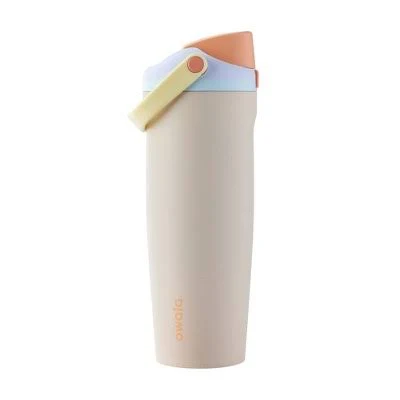
- Stainless steel body, no interior coating disclosed
- Silicone and plastic lid/valve leachables
3 hazards checked on this product, all on its full breakdown.
More insulated travel mugs grades
How we score, every product runs through the same public 0-100 rubric based on materials, coatings, brand disclosure, lab findings, and recalls. See the full methodology → Spotted a mistake? Report an error.