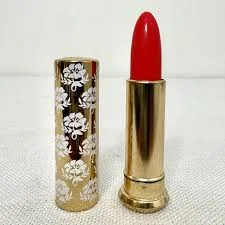
Vintage COTY 24 Crème Lipstick Scarlet Red Collectible Tube Gold/White New
Vintage lipstick, lower PFAS concern. No waterproofing claims present.
This classic wax-based lipstick has no disclosed waterproof or stain-resistant treatment. Vintage formulation unlikely to contain PFAS.
We flunk more products than we pass. This one earned its grade. How we grade
Material
Wax, oils, pigments in metal tube
Brand disclosure
Brand is silent on PFAS
Lab data
No public lab test
You may also be interested in
Top-graded picks in the categories readers replace first, every one scored on the same rubric.

Aqua Pure
3M Aqua-Pure AP802B Whole House Filter Housing
- polypropylene filter housing, carbon/sediment cartridge
- We found no PFAS statement from the brand
- Bacterial growth in spent cartridges
3 hazards checked on this product. See all of them.

Aquasure
Premier Series 75 GPD Under Sink Reverse Osmosis Water Filtration System
- RO membrane, carbon filters, stainless steel housing
- We found no PFAS statement from the brand
- Bacterial and microbial growth in housing and filters
4 hazards checked on this product. See all of them.

Avocado
Vegan Mattress
- organic cotton, natural latex, coconut coir, recycled steel coils
- The brand calls it PFAS-free, which we have not verified
- Heavy metals
2 hazards checked on this product. See all of them.
What Vintage COTY 24 Crème Lipstick Scarlet is made of, ingredients and materials
Vintage Coty lipsticks are composed of waxes (beeswax or synthetic alternatives), oils, and colorant pigments pressed into a metal tube. The formula lacks the synthetic polymers and water-resistant binders found in modern long-wear lipsticks, meaning the wax-oil matrix is inherently stable and unlikely to shed microplastics or leach problematic additives during normal use. The metal tube itself (typically aluminum with protective lining) is inert when intact and poses no leaching risk under typical storage and application conditions.
What’s concerning
Category baseline
The starting point for this type of product, before anything specific to this product is counted.
No PFAS disclosure
No public statement from the brand about PFAS in this product.
Heavy metals
Vintage cosmetics from the 1970s-1980s may contain iron oxides, chromium, or cadmium in red pigments before stricter FDA limits on colorant purity were enforced. No specific testing data is available for this Coty formula, but the age of the product predates modern pigment safety standards.
Source, FDA ↗Fragrance allergens
Vintage Coty formulas commonly included synthetic fragrances and essential oils (rose, citrus) that can trigger contact dermatitis or sensitization in vulnerable individuals. Modern lipsticks often reduce fragrance load; older formulas may contain higher concentrations.
Lanolin and botanical oil allergens
Wax-based vintage lipsticks typically relied on lanolin and animal-derived oils as emollients. Lanolin can cause allergic contact dermatitis in 1 to 3% of the population and may be contaminated with pesticide residues if sourced before modern agricultural standards.
Tube coating degradation
After 20 to 50 years of storage, the protective metal lining inside the tube may have developed micro-cracks or loss of adhesion. This can expose aluminum or allow pigment and wax oils to interact with the metal, potentially leaching trace aluminum into the product.
What’s reassuring
Base material not linked to PFAS
The main material recorded for this product is not one associated with PFAS.
Microplastic shedding
Wax-oil formulas do not contain synthetic polymers or microbeads. No risk of microplastic ingestion or skin accumulation is expected from this product type.
The full breakdown
The brand's record and disclosure
Coty is a major cosmetics manufacturer but maintains minimal public disclosure on heavy-metal testing, formulation transparency, or PFAS avoidance policies. No major safety recalls or regulatory actions are on record for vintage Coty lipsticks. The brand does not publish safety data sheets or third-party certifications for discontinued vintage formulas, so ingredient verification relies on historical product labeling and material knowledge of 1970s-1980s cosmetic chemistry rather than modern testing.
How it compares in its category
Vintage lipsticks occupy a lower-risk niche compared to modern waterproof, long-wear, or transfer-resistant formulas, which often contain PFAS compounds and higher concentrations of synthetic pigments and stabilizers. Coty's classic cream formulation is simpler than contemporary offerings, reducing the number of potential chemical exposures. Collectible vintage cosmetics carry the trade-off of no contemporary safety data or reformulation oversight, but this particular product's simplicity is a safety advantage relative to modern cosmetic complexity.
If you buy it
Store the lipstick in a cool, dry place away from direct heat or sunlight to prevent wax softening and pigment separation. Do not leave it in hot vehicles or near heat sources, as this can degrade the beeswax matrix and alter application texture. If the tube shows dents, cracks, or corrosion, the protective lining may be compromised and the product should not be used. Patch test on a small area of skin before full application, as vintage formulas may contain allergens (fragrance oils, lanolin) that modern products have phased out or reformulated.
What we don’t know
- Basis
- Model estimate, 72% confidence, not a lab result
- Lab test
- None on record for this exact product
- Brand statement
- Coty has made none
Formulations change between production runs, so check the current label. How we grade.
More lipstick grades
How we score, every product runs through the same public 0-100 rubric based on materials, coatings, brand disclosure, lab findings, and recalls. See the full methodology → Spotted a mistake? Report an error.